Fill the form to download


Thank you! Your submission has been received!
Oops! Something went wrong while submitting the form.

The Rural Tourism Renaissance Report

Europe's rural destinations are outperforming cities across nearly every tourism indicator, yet remain largely invisible in policy discussions and investment priorities.

About

Our latest report, in partnership with Airbnb, reveals rural tourism as one of Europe's most underrated economic engines. Long overlooked due to limited data and overshadowed by traditional tourism hotspots, rural destinations are driving a fundamental shift in how Europeans travel, building a pathway to bridge the growing economic and social divides between communities.

The report includes analysis of Airbnb's search and booking data spanning 2019 to 2024 across eight major European markets: Belgium, France, Germany, Ireland, Italy, the Netherlands, Spain and the United Kingdom. This analysis positions rural tourism as a central pillar of Europe's economic vitality. The findings call for greater policy attention, improved data collection and targeted support measures. This includes local regulations that enable the development of tourism accommodation in rural communities, ensuring the benefits of tourism reach the places that depend on it most.
A photograph showing two young people crossing a bridge in a rural setting
Night photograph of a Spanish castle with a beautiful starry sky
A photograph of a windmill in the Netherlands
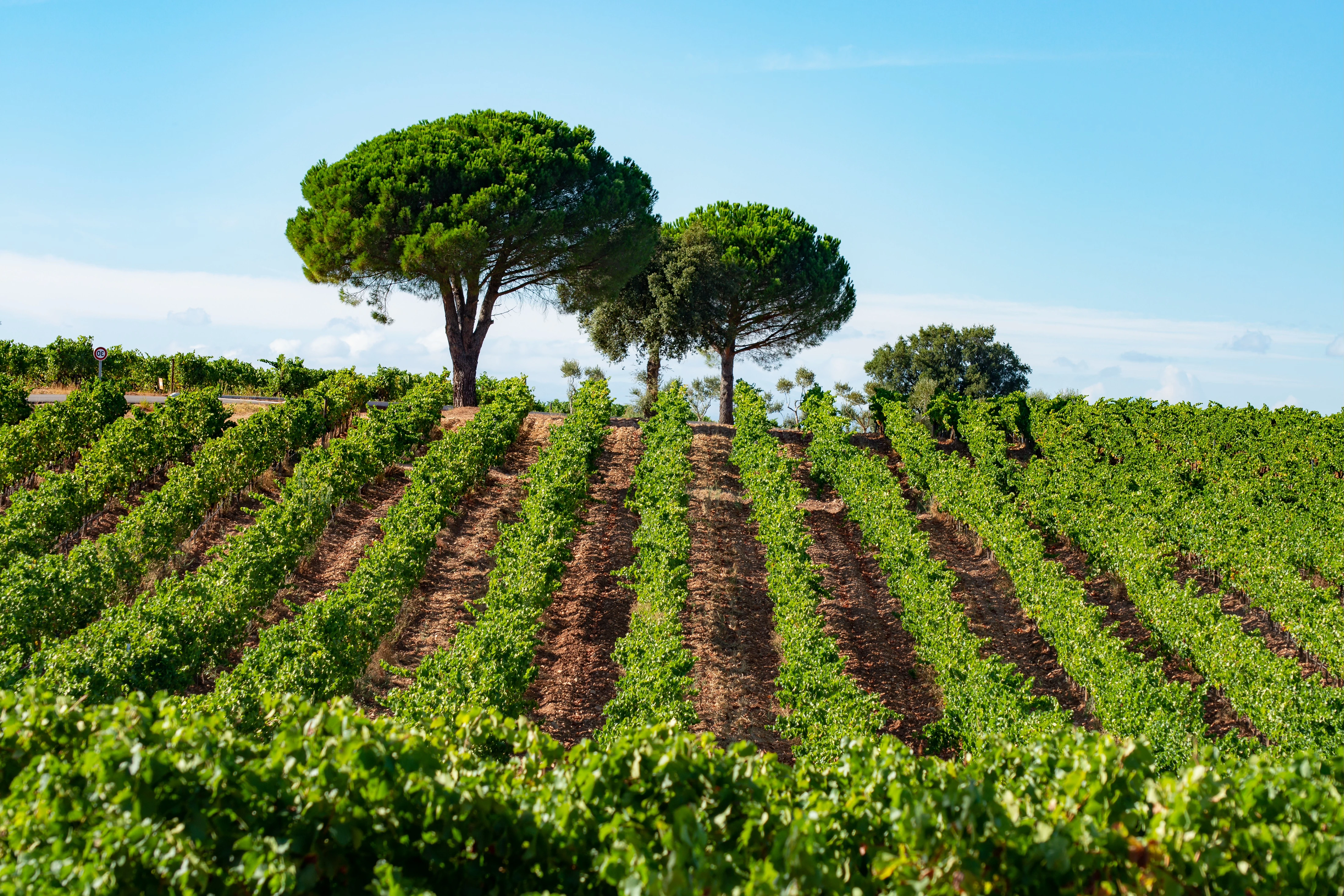
A photo of a green mountain landscape showcasing a rural path

Key findings

88%

increase in nights booked.

Rural accommodation bookings surged between 2019 and 2024,demonstrating sustained visitor demand.

€4.06 billion

in rural host earnings.

Rural accommodation bookings surged between 2019 and 2024,demonstrating sustained visitor demand.

€5,251

avg income per host.

Rural hosts earned supplementary income helping to close the persistent€2,800 income gap between rural households (€18,352) and their urbancounterparts (€21,136).

+3.6%

growth of tourism-related jobs.

Between 2000 and 2022, remote rural areas increased their proportion oftourism-related jobs by 3.6%, while urban areas saw a 0.7% decline.

up to 85%

of visitors from domestic markets.

Rural destinations maintain strong domestic visitor bases, creating resilience against international travel disruptions.

49%

larger travel groups in rural areas.

Rural accommodation attracts larger parties than cities, reflecting strong appeal for families and group gatherings.

4x

more guest nights per resident.

Rural areas welcome nearly four times more overnight visitors relative to
population than urban destinations

What you'll find in the report

This report is structured in four chapters, each building upon the insights of the previous:

1. The Rural Advantage: Tourism's Outsized Economic Impact

This chapter establishes rural tourism’s economic fundamentals, highlighting the data that demonstrates why rural areas represent Europe’s most significant untapped tourism opportunity.

2. Five Trends Reshaping Rural Tourism

This chapter explores five powerful trends reshaping rural tourism, from passion tourism and digital detox to conservation experiences, cultural routes andmicrocations, showing how forward-thinking destinations are capturing visitor spend year-round.

3. Technology and Digitalisation in the Rural Context

This chapter examines how technology is transforming rural competitiveness, from AI-powered discovery to intelligent visitor management, revealing practical strategies destinations can implement today.

4. The Rural Tourism Policy Imperative

This concluding chapter analyses the policy interventions that work, identifying five strategic actions that enable rural destinations to thrive whilst preserving their authentic character.


Read the full report

Download Full Report