

Turku Archipelago
CAMPUS 2026
Coming soon

Destination management has been solving problems in the wrong order.

29 Sep – 3 Oct 2026 Turku Archipelago, Finland
Reserve your place
Host partner Visit Turku Archipelago
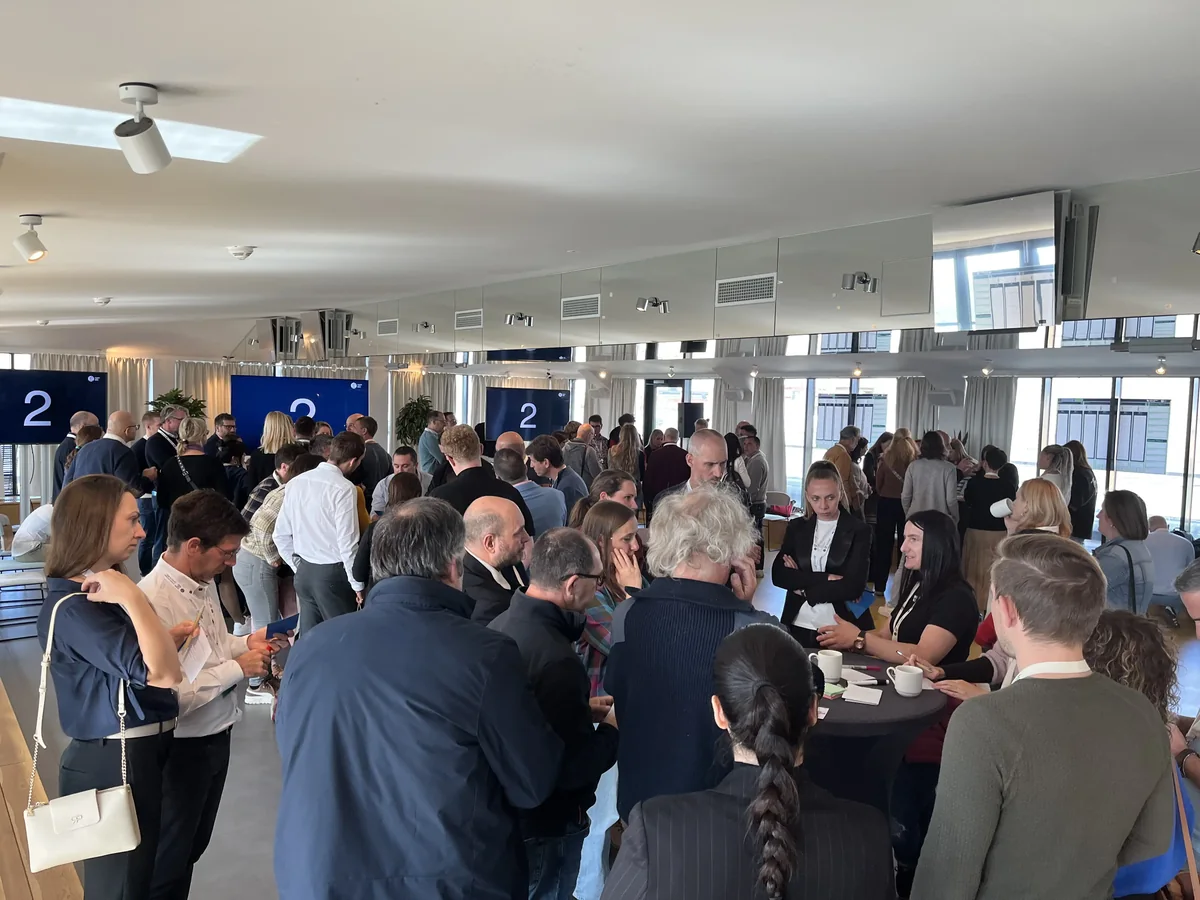
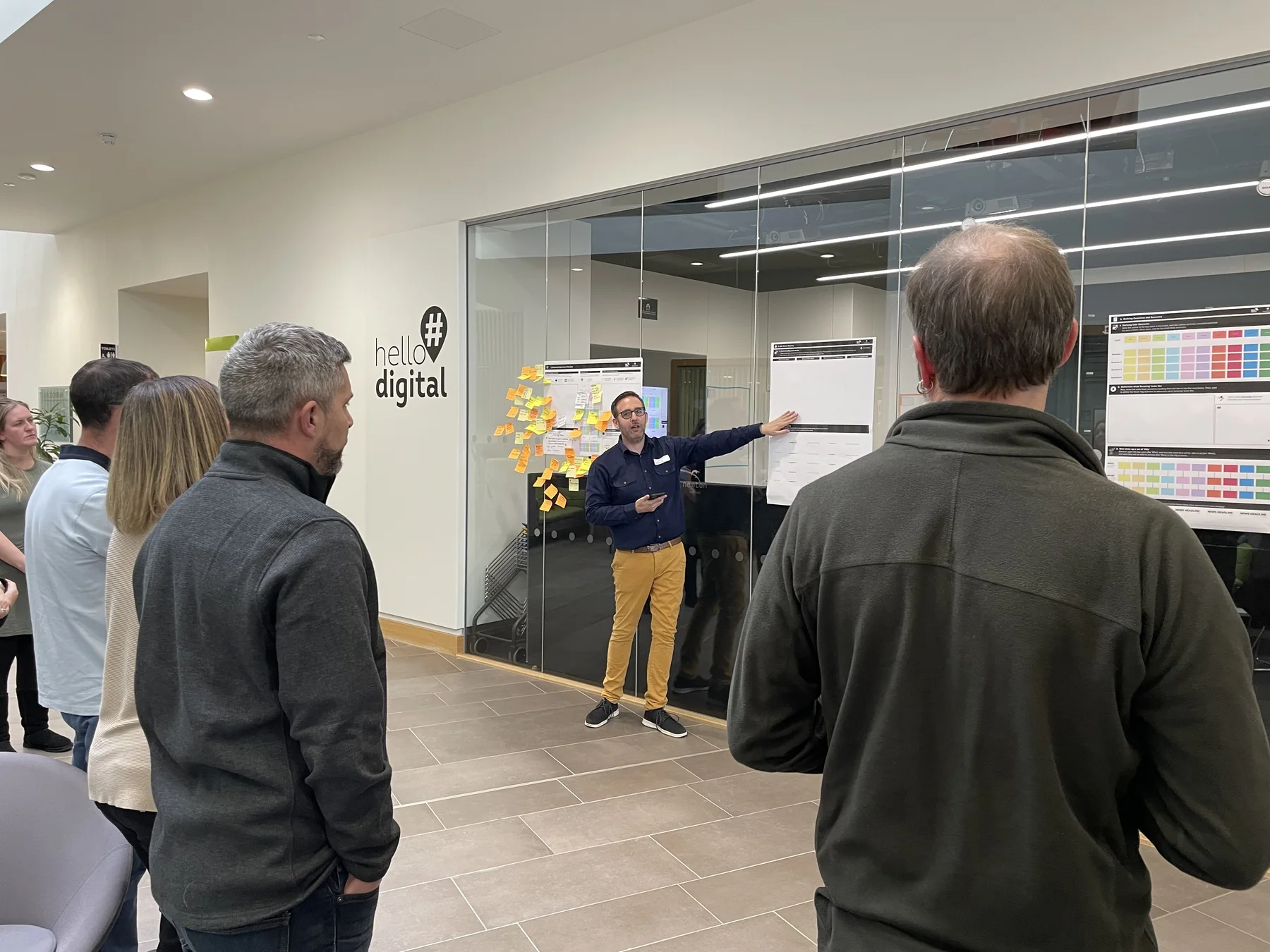
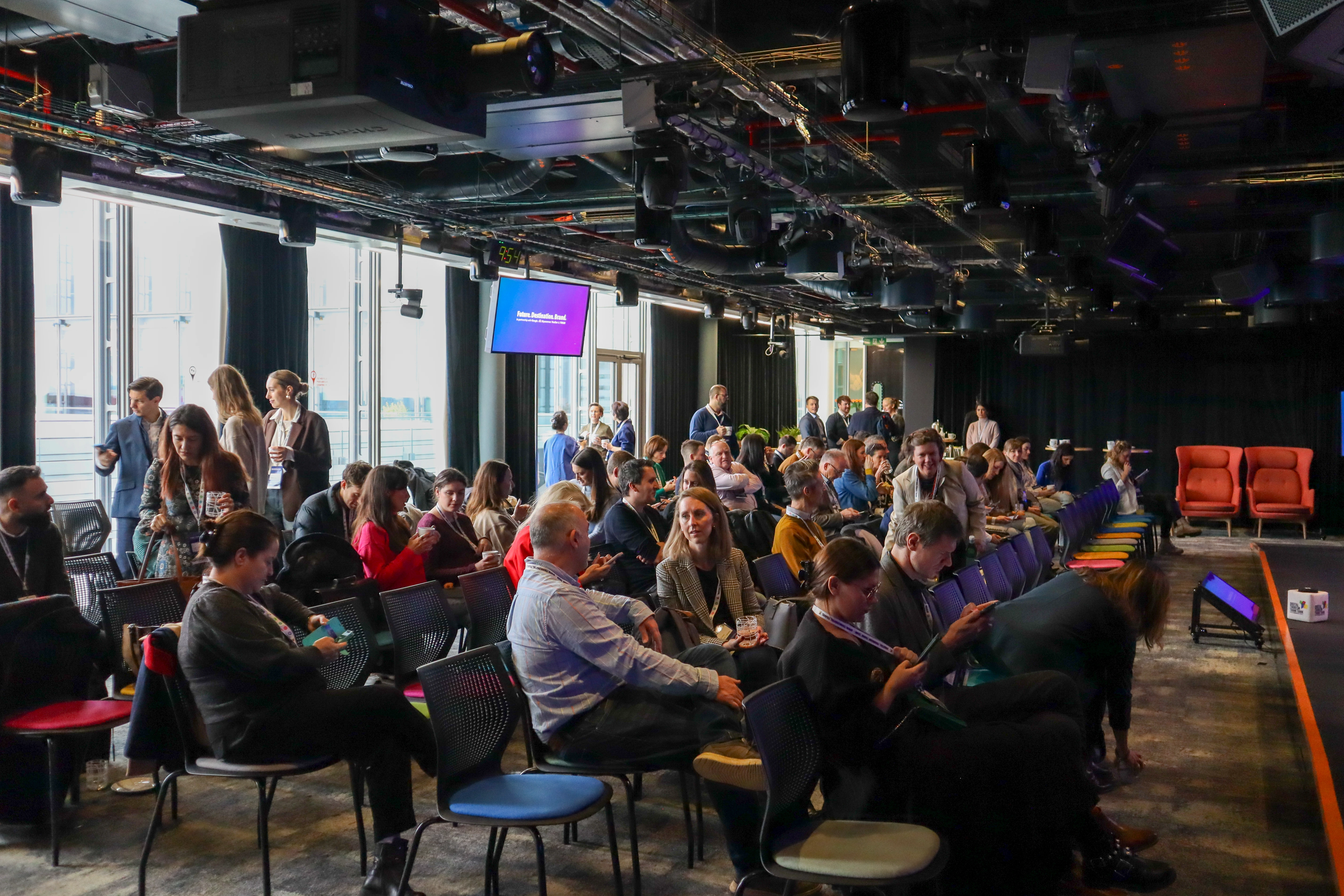
Destinations working together at a DTTT event

Data is how a destination understands itself and decides where to go next.

We work with destinations on data strategy, governance and standards, on the technology decisions that follow from them and on the organisational change that makes both hold. Every engagement is designed so the destination keeps what is built.

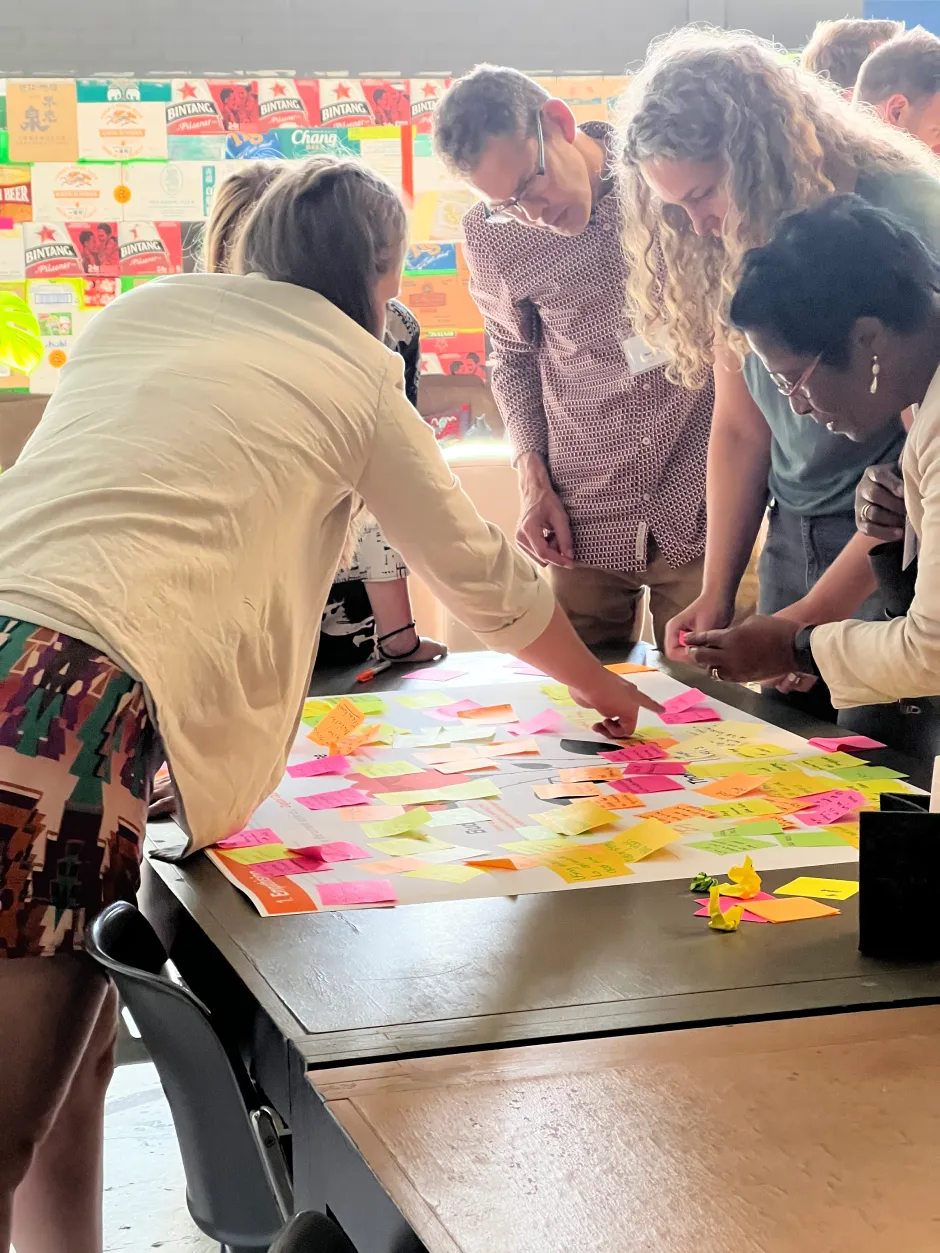
Data decisions shaping destination strategy

Destinations are being asked to make long-lived data and technology decisions before the foundations are in place.

Visitors expect information to be accurate everywhere it appears. Boards expect evidence behind investment. Industry partners expect the destination to hold the picture of the whole that only a destination can assemble.

Meeting all three is a question of infrastructure. The work sits in the foundation underneath the technology:

01
Skills to use it
02
Standards that make data comparable
03
Room to test what is new
04
The case that justifies the spend
The technology decision
XR · AI · booking · digital twins
01

The data already exists.

Most destinations hold more information than they use. Arrivals, accommodation, spend, origin markets and campaign performance are usually already there. Cleaning, defining and structuring what is held is the work that makes any new source worth buying.

02

Capability decides what compounds.

Destinations work with specialist partners and always will. Each cycle of work builds on the last when the method, the data and the documentation stay with the destination. That is a question of how work is set up. It is one worth deciding deliberately.

03

Standards decide reach.

Structured, machine-readable information travels. When a destination publishes its businesses under shared open standards, as Visit Sweden did with its national API, a family-run lodge appears in the same results as an international chain.

04

Fluency decides speed.

The strongest asset is fluency spread across an organisation. The valuable profile combines enough technical understanding to know how a figure was produced with enough sector knowledge to explain what it means.

Solving core destination challenges

Technology is only the delivery mechanism as strategic clarity must come first.

We work alongside DMOs and local industry partners to tackle six persistent strategic challenges.

01

Turning data into answers

An organisation can hold reports and dashboards and still need a clear route from them to its own strategic questions. The work starts by defining the questions, then identifying the data that answers them.

02

Bringing the whole picture together

Internal teams often work from separate views of the same question. Assembling these into one shared picture gives the destination the view it needs in order to lead.

03

Building the case for investment

Technology carries licence costs, integration work and training time. A business case, tested before commitment, is what turns a promising technology into an approved one.

04

Embedding reusable destination assets

A strategic project should leave behind permanent capability, not just a static report. By embedding decision models and a documentation process directly within your DMO, your team ensures that every future planning cycle builds on an established baseline.

05

Bringing the whole industry along

A national or regional body is often well advanced while its businesses are at an earlier stage. The performance of the destination rises as capability spreads across the businesses within it.

06

Agreeing a standard to work from

Shared definitions are what make comparison between partners and across years reliable. They are also what give benchmarking its authority.

Data.
Turning data into decisions

Moving from data monitoring to executive action

Data is only useful when it directly informs resource allocation. We integrate your destination's internal data with real-time market feeds, synthesising complex inputs into clear answers for your leadership team. We bridge the gap between holding data and taking strategic action.

Decision-Led Insight

Filtering raw market metrics through your destination's active strategic objectives, ensuring every insight bears directly on immediate planning choices.

Accessible Executive Formats

Distilling technical data into practical briefings, executive decks, and concise reports that equip non-technical stakeholders to act with confidence.

Standing Strategic Partner

Delivering ongoing advisory support that maintains long-term regional context, giving your leadership team immediate access to expert interpretation as market conditions evolve.

How we deliver

Five distinct phases designed to turn strategy into lasting local capability.

We apply a consistent, tested framework to ensure every engagement creates a measurable impact. Whether we are shaping your data strategy, supporting technology adoption or a wider digital transformation cycle, the process remains rigorous and systematic. Each phase produces a concrete asset your destination owns.

01
Audit
02
Map
03
Govern
04
Build
05
Extend
01

Baseline Technical Audit

We map and review every internal workflow and data source your organisation currently maintains. Using standardised audit frameworks, we test data quality and identify where systems duplicate effort or miss critical requirements. This phase ends with a clear report specifying what your destination holds, what it needs next and what each process actually delivers.

Data partnerships · inside Advisory

Market intelligence, turned into decisions.

We combine specialised data licensing, through partners such as Data Appeal, with hands-on strategic advisory. We evaluate raw market metrics against your regional tourism goals, delivering clear, actionable insights that your leadership team and steering committee can execute immediately.

See how Advisory membership works
What we do with it
query_stats
Read against your strategy
Spending, demand and movement data queried against the questions your organisation is actually asking.
leaderboard
Benchmarked in context
Competitive position set against comparable destinations, so a number becomes a decision.
mood
Sentiment made usable
Visitor perception tracked and interpreted, not left as a score to decode.
summarize
Relayed for the room
Findings built into quarterly briefings, board presentations and executive summaries.
verified_user
Owned by you
The analysis and its outputs stay with the destination to use and build on.
Responsible by design

Data work depends on public trust, so it is designed with that in mind.

Destinations hold information about visitors, residents and businesses. Handling it well is a condition of being allowed to hold it. Standards for quality, consent and anonymity are set at the start of a strategy, before a platform is designed around them.

01

Quality standards first

Reliability is what makes a figure usable in a decision. How data is collected, cleaned and defined is agreed before the platform is designed.

02

Consent and anonymity

Visitors and residents share more openly when anonymity is guaranteed, which makes the resulting data both more ethical and more useful.

03

Sharing on agreed terms

Data shared across an industry needs terms everyone understands, particularly where businesses are contributing their own information to a shared resource.

The open standard · 04

Transparency about AI, recorded by default.

Where AI is used in analysis or in producing outputs, its involvement is recorded. We apply the AI Transparency Framework, the open standard we have developed with our destination community.

ai.thinkdigital.travel
Technology decisions

Technology decisions are investment decisions and they benefit from being tested first.

New technology reaches destinations faster than the case for adopting it. Whether evaluating automated discovery tools or spatial media, deployment involves real financial and workflow trade-offs. We guide leadership teams through a structured validation process, testing concepts through low-risk prototypes to ensure long-term regional impact prior to full-scale procurement.

Map the landscape

Emerging technologies are reviewed against how the organisation actually operates, so the conversation begins with applications and the products follow from them.

Define the problem

Ideas are anchored to specific problem statements, agreed with the people who will use the result and with the stakeholders it affects.

Test the strategic proposition

Every idea undergoes a four-point diagnostic test before receiving budget approval. This structured evaluation ensures clear operational alignment and measurable value.

Prototype before committing

Wireframes and storyboards are tested with the intended users. Risks are identified and a project plan with milestones is built before investment is approved.

The test · step 03

Every idea is put through the same four questions before it goes further.

01
Perception
How does this elevate the destination's market positioning and reputation?
02
Purpose
What clear value proposition does it offer to drive travel intent and bookings?
03
Operations
How does it optimise internal workflows and organisational efficiency?
04
Motivations
How does it create a participatory experience that visitors actively engage with?
Transformation and capability

Digital transformation is an organisational change as much as a technical one.

Data infrastructure and technology investments only succeed when supported by corresponding organisational change. This requires sustained executive commitment, cross-functional collaboration that breaks down legacy silos and a baseline of digital capability embedded across the entire destination team rather than confined to technical specialists.

01

Commitment at leadership level

Where senior leadership treats data and digital as a priority in how resources are allocated, the change reaches every department. Destinations that have made the shift describe it as a leadership decision first and a technical one second.

02

Working across boundaries

Transformation surfaces as a structural question before a technical one. Teams that have operated separately need a shared basis for decisions, which is often the first visible benefit of getting the data foundation right.

03

Embedding internal capability

Effective capability development meets teams at their exact operational level, bridging foundational digital understanding with specialist technical application. Combining online learning with practical workshops embeds repeatable skills across marketing, data intelligence and system development directly within the destination team.

04

Design thinking methodology

Applying a structured five-stage design thinking process, from initial problem definition through to rapid prototyping and live testing, ensures that destination strategy remains rooted in real visitor and stakeholder needs. Supported by a comprehensive library of working templates, this approach leaves behind a permanent, reusable method for ongoing innovation.

05

Capability across the industry

A destination moves only as fast as the businesses within it. Its own progress is bounded by the businesses around it, so raising capability across a whole visitor economy is frequently the work with the widest return, lifting the performance of the destination as a whole.

The 12 Stages of Transformation
01

The Holistic View

02

The Visitor Cycle

03

Crafting Niche Experiences

04

Shaping the Brand

05

Markets and Audiences

06

Content and Engagement

07

Targeting and Distribution

08

Performance and Measurement

09

Partnerships and Alliances

10

Technology and Disruption

11

Knowledge and Insight

12

Exploration and Innovation

This published framework provides a structured approach to full organisational alignment across twelve distinct strategic domains. Supported by dedicated diagnostic reports, working templates and execution tools, the process enables destination leadership to pinpoint immediate operational priorities and establish a logical sequence for internal change.

Our work

Scalable frameworks for national, regional and local impact.

While every destination faces unique challenges, our core strategic principles remain constant. Whether advising national tourism bodies or guiding local visitor attractions, these published case studies illustrate how our methodology delivers measurable value.

Across five scales
01
National
02
Regional and destination
03
Industry and business
04
Venue and operator
05
Policy
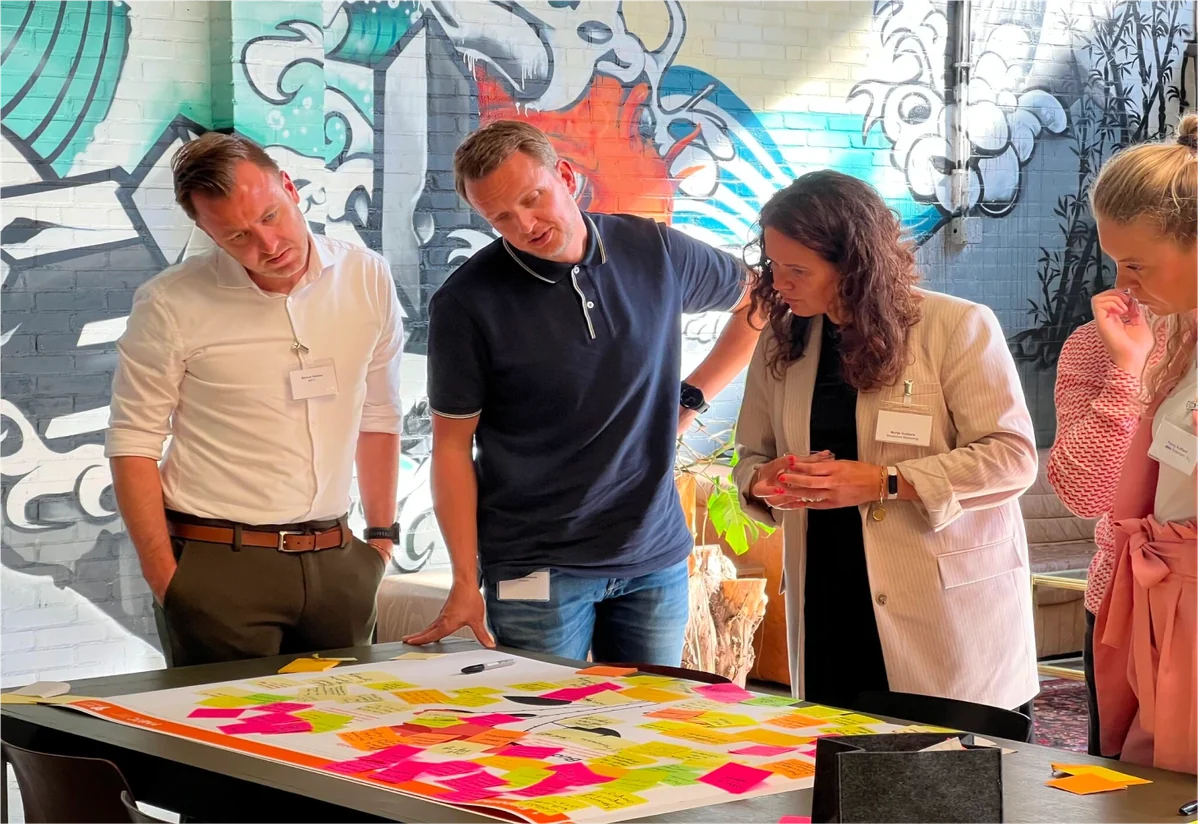
A working session on the Dutch digital strategy
Netherlands Board of Tourism and Conventions and the Digital Tourism Think Tank
NBTC · client story spotlight

Building a Digital Strategy: A Dutch Tourism Blueprint

A national digital strategy built with the Netherlands Board of Tourism and Conventions, from digital maturity benchmarking through to a validated roadmap and five dedicated delivery bodies.

Client
NBTC
Year
2024
Work
National digital strategy
The journey

Digital maturity benchmarking assessed the destination against leading international peers, enriched by two specialist panels analysing project outcomes and delivery challenges across marketing and digitalisation.

Read the full story
More of our work
Cross-Re-TourDTTT
Sustainability
Sustainability
Cross-Re-Tour · 2025

A Vision for Growth and Transformation: Developing a Data Strategy

The Cross-Re-Tour project brought 126 tourism professionals from eight European countries together in Riga.

Together they designed and tested practical sustainability nudges that make eco-friendly choices easier for visitors, without requiring costly infrastructure changes.

Type of work
Workshop
Duration
Multi-day
Scope
EU-wide
Focus
Sustainable visitor behaviour
Read the full story
Highland TourismDTTT
Destination strategy
Highland Tourism Partnership · 2024

Shaping the future of tourism in the Scottish Highlands

Together they defined shared challenges and agreed a joint vision for tourism development in the Highlands.

Type of work
Workshop
Duration
One day
Scope
Regional
Focus
Sustainable tourism strategy
Read the full story

A one-day strategy workshop in Inverness brought destinations, private businesses, community groups and local government together.

TourbitDTTT
Innovation ecosystem
Tourbit · 2023

Fostering innovation in tourism: a collaborative approach

With the EU-funded Tourbit project we moderated conference sessions and produced a podcast series following tourism entrepreneurs.

It explored how ideas become actionable with limited investment, through a scheme built on three pillars: learning, building, then testing.

Type of work
Sessions & podcast
Duration
Multi-month
Scope
EU-wide
Focus
Entrepreneurship
Read the full story
NewcastleGateshead InitiativeDTTT
Place-based innovation
NewcastleGateshead Initiative · 2023

Driving place-based innovation podcast

Local businesses and international destinations shared their digitalisation journeys across the series.

Type of work
Podcast series
Duration
Multi-month
Scope
Regional
Focus
Place-based innovation
Read the full story

A ten-episode podcast series, each paired with a feature article, tracked how innovation is reshaping the visitor economy of North East England.

Programmes and assessments

Strategic diagnostics and capability building

Effective destination management requires translating strategic intent into operational delivery. We assess your destination's current performance, benchmark your position against the market and build the internal and trade capability needed to deliver lasting impact.

01
Diagnostic
Digital Maturity Assessment

Audits internal workflows, team skills and digital infrastructure to identify operational bottlenecks and establish a clear baseline for digital transition.

02
Diagnostic
Competitor and Industry Benchmarking

Compares your destination's digital presence and strategic performance against peer DMOs, giving leadership teams clear, comparative data to guide strategic investments.

03
Advisory
Strategy Roadmap and Business Case Development

Converts diagnostic insights into a practical, phased implementation plan that outlines clear timelines, resource needs and key performance indicators for board review.

04
Cohort
Cross-Departmental Alignment Programmes

Drives internal change across tourism teams, ensuring marketing, policy and industry development functions operate from a unified strategic framework.

05
In-person
Industry Development Workshops

Runs focused working cohorts and intensive sessions for local operators to accelerate digital adoption, improve visitor experience and enhance local business resilience.

Not sure where to start?
Begin with a maturity baseline.
Talk to us
Events

Data and technology run through the full DTTT events programme. X. Design Week is where the work is most hands-on, with destinations building and testing together across three days.

The Destination AI Intensive
X. Design Week

Our flagship working event, where destinations collaboratively build, test and agree the operational standards for technology in tourism.

Returns 2027
Find out more
Read.
Content on data, technology and digital transformation

Must-read articles

Explore the library
Get in touch

Put your data and technology
decisions on a foundation that holds.

Let's talk about where your destination stands on data, standards and capability. A short exploratory session is enough to identify which foundations need attention first and how our method would apply to your organisation.

Start a conversation

Research, frameworks and field notes on destination transformation. No noise.

The industry brief, monthly

Thank you! Your submission has been received!
Oops! Something went wrong while submitting the form.

Industry research, open frameworks and field-tested practice on how destinations lead through AI, sustainability and brand. Since 2012.