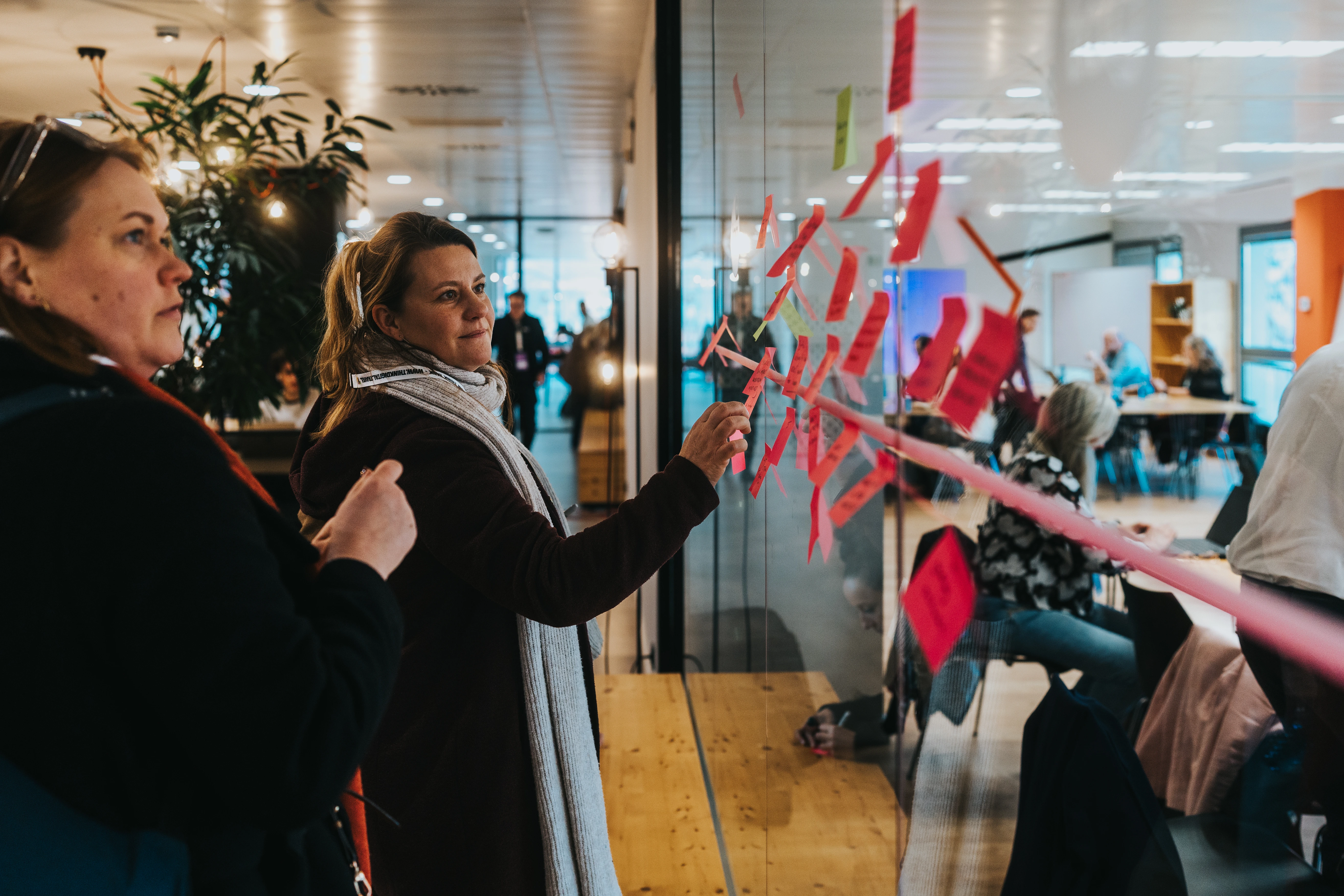
Not every shift in visitor behaviour requires a change in strategy.
We help destinations separate lasting market shifts from temporary fads, turning clear analysis into brand and marketing decisions you can stand behind.


We help destinations separate lasting market shifts from temporary fads, turning clear analysis into brand and marketing decisions you can stand behind.
Identifying market trends is simple, but evaluating their long-term viability is where value is built. We help destination leaders separate structural shifts in visitor demand from temporary fluctuations. This gives your team the evidence required to allocate budget and staff capacity with total confidence.
We move beyond basic trend reporting by evaluating market shifts through a steering panel of experienced destination directors. Trends are scored on their potential for lasting regional impact, delivering clear, vetted insights that inform long-term strategy rather than short-term reactive campaigns.
A shift driven by a new digital channel demands a completely different strategic response than one driven by squeezed household budgets. Pinpointing the exact force at work is what ensures your response is targeted, defensible and proportionate.
While demographic statistics are widely used across destination planning, they rarely explain why travel decisions are made. We add the behavioural layers that clarify visitor motivation, identifying what travellers plan around, how they evaluate value and what drives their choices.
Actionable groupings based on travel intent and spending patterns.
Practical profiles designed to focus agency partners and internal teams.
Real visitor review data revealing true perceptions of the destination.
Clear intelligence on volume and value trends across target origin markets.
Market shifts present a choice of either allocating resources to immediate visibility or building long-term destination capability.
Google's momentum in embedding Gemini into the traveller's journey points destinations toward AI-enabled marketing built for long-term utility.
Scored above the threshold, with lasting weight for destination marketing.
Distinguishing passing trends from meaningful and lasting shifts requires different viewpoints. Rather than reviewing market signal alone, we welcome the support from our network of DMO leaders that engage with the trends in two ways.
Leaders from city, regional and national DMOs pressure-test market signals, assigning objective impact scores backed by published strategic reasoning.
Subject-matter experts collaborate to define and document the operational themes shaping international travel ahead of our annual trend framework.
To translate a trend into real insight and action for one destination.
The work between knowing what is changing and knowing what to do about it.
We use it at the Digital Tourism Think Tank to describe how we see our role: working with a destination team to turn trends into insight they can use and decisions they can take.
Destination management requires balancing complex stakeholder expectations with commercial and cultural relevance. We partner with DMO teams on four recurring challenges.
Knowing precisely when to commit budget to new platforms and formats, giving leadership teams a clear roadmap.
Place branding is a 360 degree undertaking. A place is judged at once on how it is governed, what it exports, who lives there, what its culture produces and what it is like to visit. A destination brand has to hold across all of it.
Holding takes a live read of what is changing around the position. A brand grounded in what travellers are actually doing can be adjusted as they move. It also gives the people carrying it something current to work with.
The proposition a place makes, the heritage it draws on and the values it commits to. Everything downstream is carried from here, so a position that cannot be stated plainly does not survive the journey outward.
Local operators, residents, partners and the visitors who describe the place once they are home. The work is making a brand usable by people who do not work for the organisation, through a position they can apply to their own offer, guidance they can follow and assets they can pick up and run with.
Symbolic actions. Things a place does that show what it stands for, since a claim travels as far as the behaviour behind it. Campaigns, products, programmes and the moments a place chooses to act on.
Some of those channels move on decisions taken in other departments and other organisations. The work there is influence and alignment. Establishing which they are is most of it.
Perception across those six is measured externally and moves slowly, which makes it the frame a position is tested against across years.
Brand strategy and positioning
Brand resets and rebrands
Perception diagnostics and gap analysis
Brand architecture across a destination and its partners
Guidance a local industry can apply
Brand-led destination management
We bridge the gap between high-level brand strategy and active market presence. Our team designs and produces multi-channel content that builds long-term destination authority while respecting community and stakeholder trust.
Managing the cadence of continuous baseline presence alongside dedicated campaign activations. We ensure content launches coincide with peak decision-making windows to drive maximum organic reach across DMO and industry partner channels.
Selecting media environments that protect destination integrity, ensuring your brand appears in contexts that drive high-yield visitor engagement rather than vanity metrics.
Producing authoritative long-form content, video podcasts, and strategic case studies that highlight local expertise, regional heritage, and industry partners.
Campaign and channel strategy
Platform assessment as a brand decision
Commissioned editorial and content series
Narrative and storytelling direction
Briefing material an agency can work from
Our annual trends framework is set by the professionals who manage regional marketing daily. At Future. Destination. Brand., participants work across eight focused tables, evaluating the structural shifts reshaping travel. The resulting direction comes straight from active destination teams managing real operational budgets.
In-depth working sessions where destination directors scrutinise key themes for the year ahead.
The sector's shared intelligence record. Released ahead of annual planning cycles, it equips DMO teams with a peer-validated framework to guide strategy, brief agency partners and justify budget allocation.



Rural tourism has long occupied the margins of European tourism policy. This research placed it at the centre, naming a market that funders and destinations could act on.
Primary analysis drew on Airbnb search and booking data from 2018 to 2024 across eight European countries: Belgium, France, Germany, Ireland, Italy, the Netherlands, Spain and the United Kingdom. Working at NUTS 2 regional level, city, suburban and rural listings were separated to isolate rural activity, applying Eurostat's definition of rural areas based on total population and population density.
The platform analysis was set against extensive secondary research, drawing on Eurostat, national statistics, national tourism authorities, academic studies, government reports and destination-specific data. The DTTT Knowledge Team worked with Airbnb's communications and policy teams across Europe so the analysis addressed the concerns and opportunities specific to each country.
Rural hosts across the eight countries analysed earned €4.06 billion in 2024. The research named five trends reshaping rural travel: Passion Tourism, the Great Rural Reset, Authentic Luxury, Cultural Heritage and the Microcation. It also set out how technology is changing rural visibility and what follows for policy.
Our research regularly informs European policy discussions and regional development frameworks, contributing to high-level dialogues on rural economic resilience, visitor dispersal and regional competitiveness.
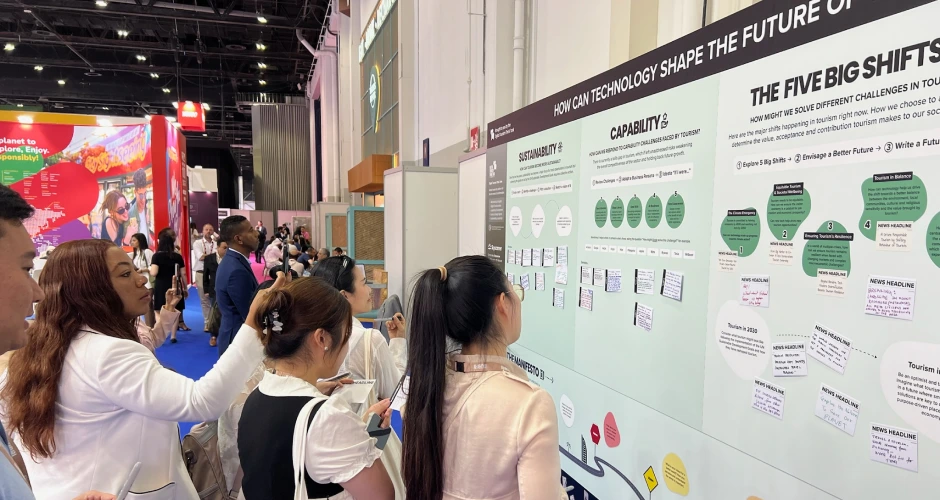

The Innovation Wall was a collaborative initiative between ATM and DTTT, debuting at Arabian Travel Market 2024. Built on a human-centred design approach, it gave professionals a place to set out their views on sustainability, capability, industry challenges, AI and horizon technology.
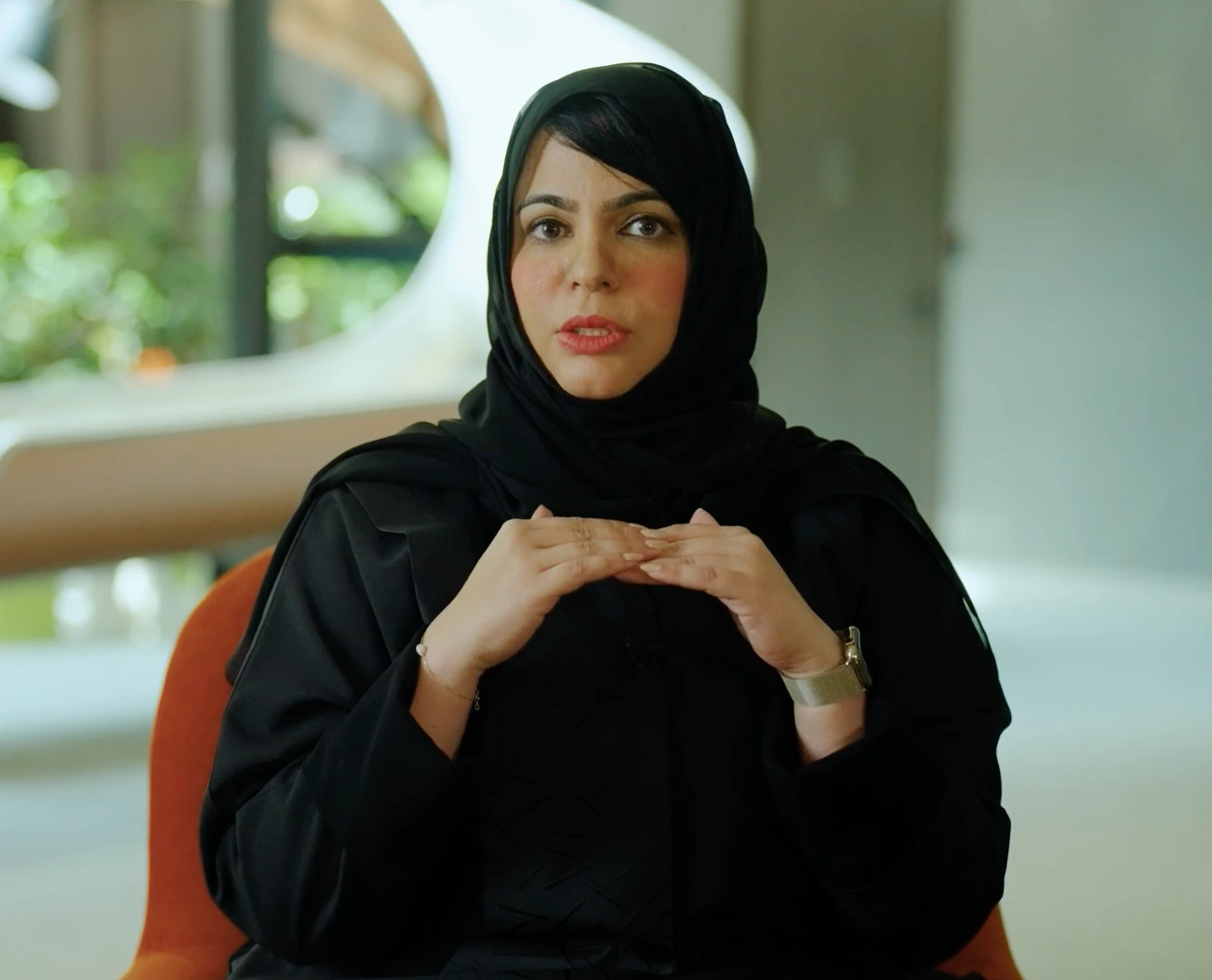
Miral, the creator of immersive destinations behind Yas Island in Abu Dhabi, commissioned a six-episode video podcast series taking viewers behind the scenes with Miral’s own leadership on camera, covering the rebrand, the brand pillars and the blend of business and leisure travel.

DTTT partnered with Sojern as research partner, with support from Brand USA, Destination Canada and the European Travel Commission. Drawing on nearly 300 destination organisations worldwide, it covered paid media, co-op marketing, data and privacy and the anticipated impact of AI.
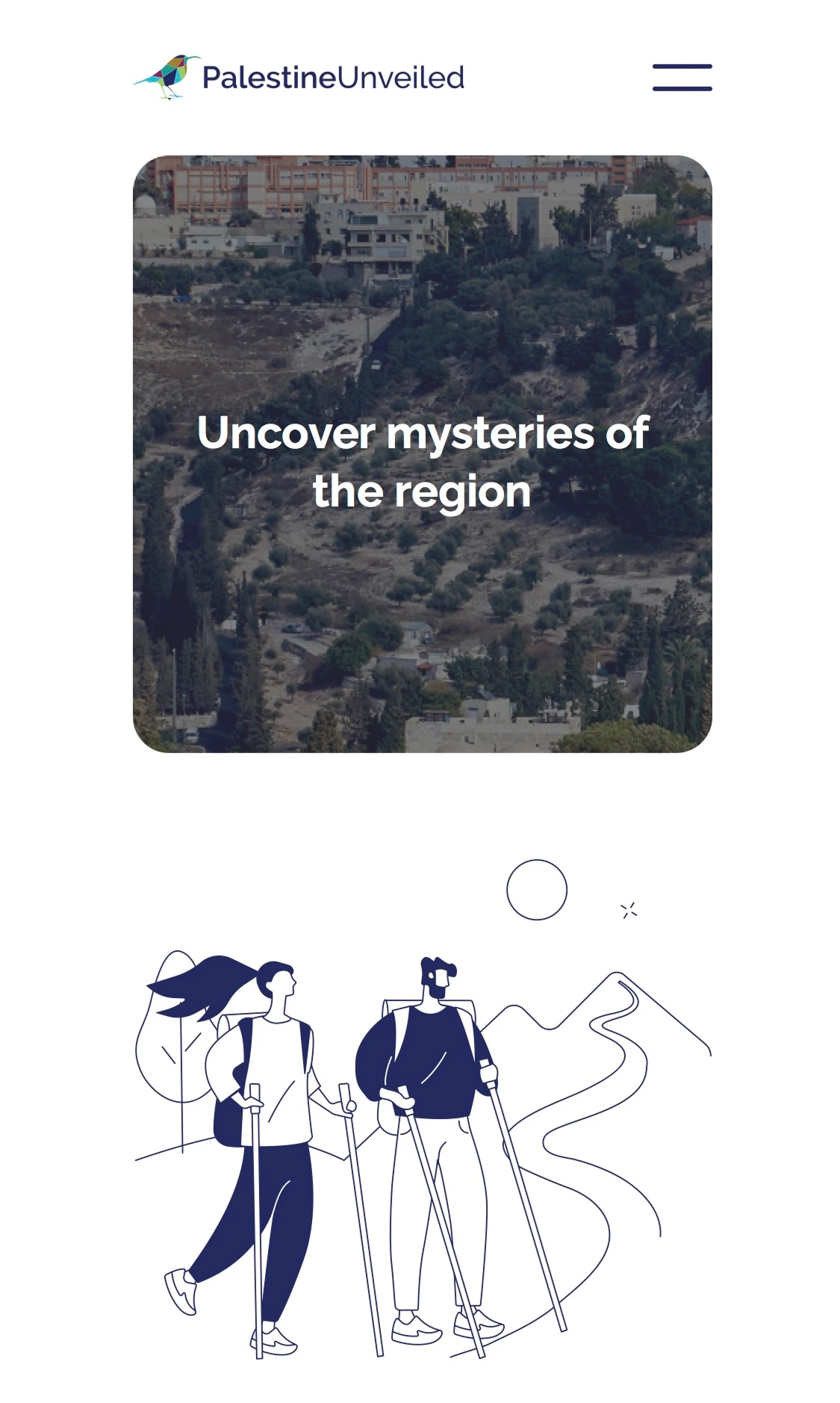
The Holy Land Incoming Tour Operators Association commissioned DTTT across three connected phases: a brand and digital audit using sentiment analysis, demand analysis, personas and benchmarking; a new brand and rebuilt digital experience; and a multi-channel marketing plan.
Let's discuss your destination's brand and marketing roadmap. A focused exploratory session is all we need to determine which visitor shifts demand attention and how our framework can support your team's long-term objectives.
Start a conversation →Research, frameworks and field notes on destination transformation. No noise.

Industry research, open frameworks and field-tested practice on how destinations lead through AI, sustainability and brand. Since 2012.