Building Tourism That Gives More Than It Takes

Most destinations measure success by visitor numbers, not lasting impact. Real value means leaving local economies, communities and environments better off year-round. More places are now asking if tourism truly earns its keep.

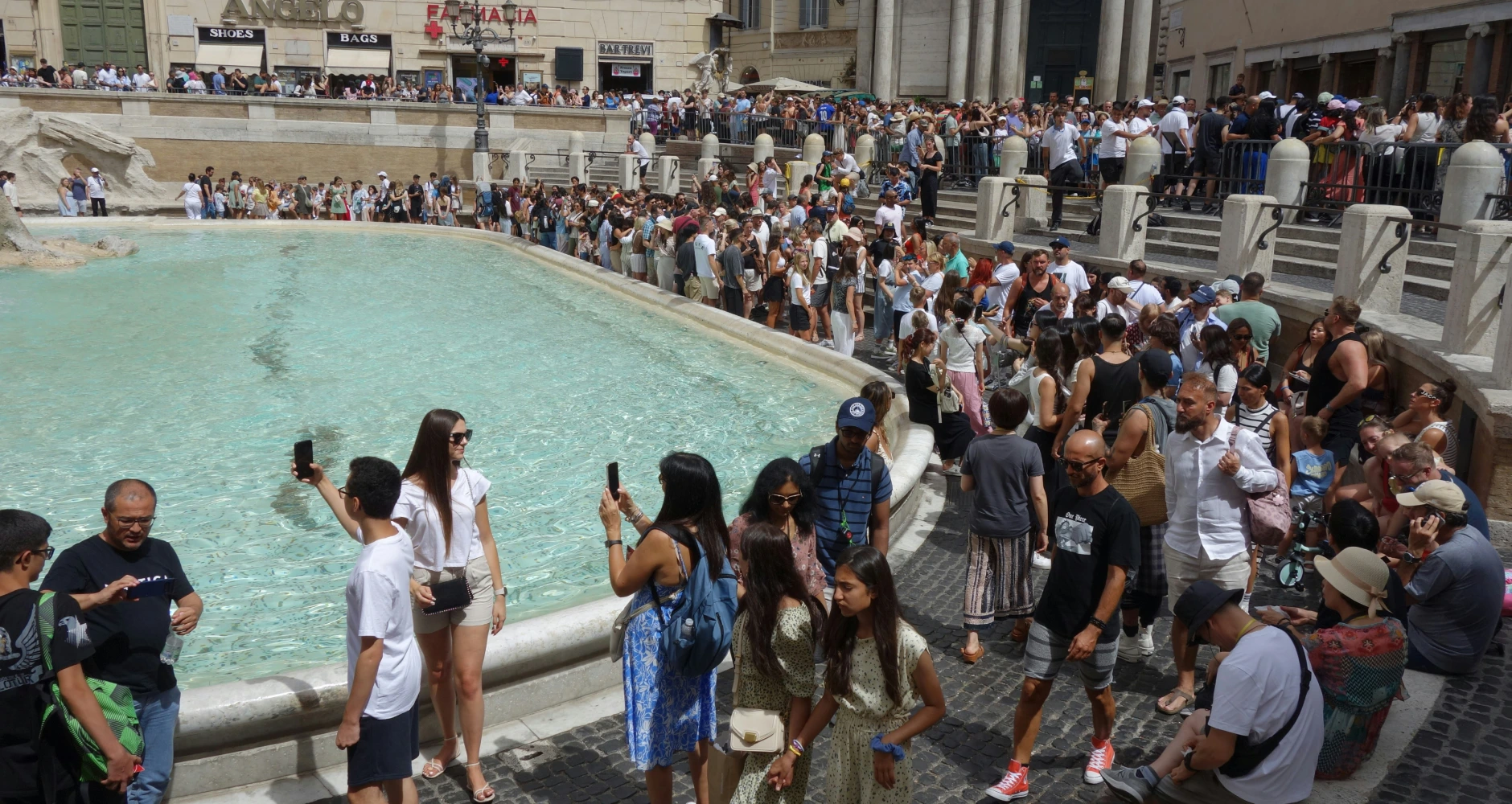
Most destinations still measure tourism by what it brings in. Arrivals, overnight stays and visitor spend fill the annual reports that go up to ministers and funding boards. These numbers show how big tourism has grown but almost nothing about what it leaves behind. 

A better question is whether tourism leaves a place better off, in its economy, its community and its environment together. A place left better off holds those gains long after the visitors leave, in residents who want to stay and an economy that still works for them through the quiet months. The honest answer to that is what tells you whether tourism is earning its keep. A growing number of destinations are starting to take that question seriously. 

Redefining Success

Counting success by arrivals rewards a destination only for bringing in more people each year, whether or not the place can cope or residents see any of the gain. The wellbeing of residents, the health of the environment and the prosperity of the community set a higher bar. The test becomes what tourism does to a place, beyond how many people it brings. 

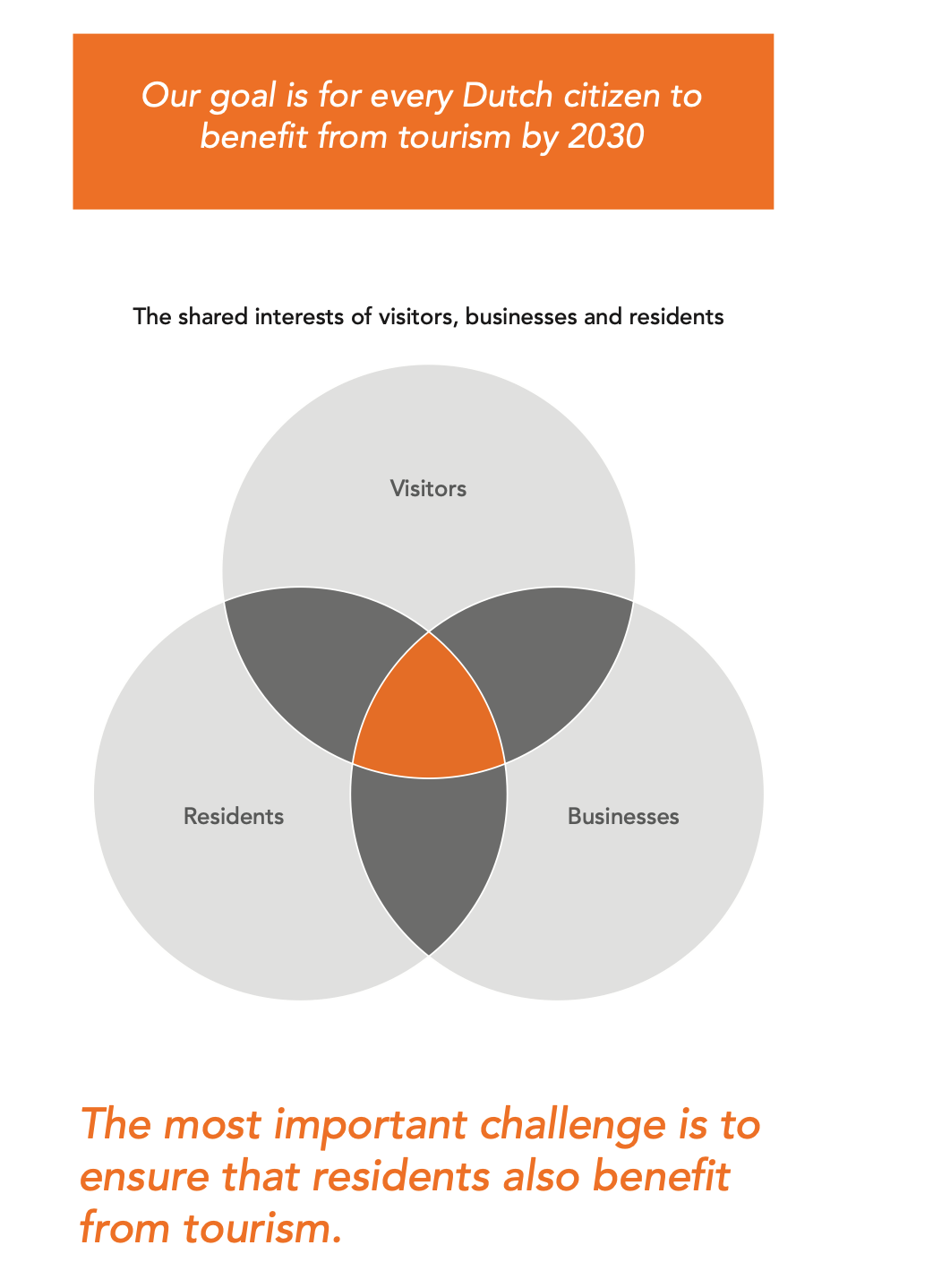
Several national tourism boards now think this way. The Netherlands built its national plan, Perspective 2030, on the idea that tourism is a means to an end, with the stated goal that every Dutch person should benefit from it. Success then looks like liveable towns, protected landscapes and a tourism economy that works in the places where people live.  

Source: NBTC Holland Marketing

Counting the Full Cost 

Chasing arrivals can leave a place worse off even as the headline numbers climb. Volume wins bargain-hunting visitors whose costs often outweigh what they spend, while quality brings the people who stay longer, spend more with local businesses and come back; the demand that holds steady when a season is slow or a market dips. The bigger costs, though, reach well past the visitor mix. 

Most of these costs fall on the taxpayers. Local services, from roads and water systems to waste collection and emergency services, have to expand simply to cope with the busiest weeks of the year. The public pays to build this extra infrastructure and then pays again to maintain it while it sits unused for months at a time. A lot of tourism quietly runs on this hidden subsidy, which rarely shows up next to the revenue. 

The costs go beyond infrastructure, into the everyday life of a place. Housing is the clearest case, where holiday lets remove homes from an already stretched market and push rents past what local people can afford. Wear on trails, reefs and old town centres builds up slowly and costs a lot to undo. A spend figure that ignores all this is gross revenue with the bill left out. 

Where the money ends up matters as much as how much of it comes in. Money that flows straight back out to chains, booking platforms and tour operators based elsewhere does little for the community whose name and landscape drew the visitors in the first place. The pressure to show quick wins keeps everyone watching the arrival numbers, which move fast, while the slow work of building lasting local benefit rarely fits a four-year political cycle. 

Measuring What Matters and Who Decides

Counting cost and value together is the challenging part. The tools for it are starting to appear. NBTC in the Netherlands has built a DMO Impact Model that traces how a tourism body’s work feeds through to its effect on the local economy, the environment and society. A companion monitor tracks each of the three. The model gives a destination a plain way to show what it is trying to change and whether it is working. 

Bigger frameworks let that local work be compared and shared. The GSTC Destination Standard sets a global floor across management, social and economic impact, culture and the environment, a baseline destinations are meant to build well past. 

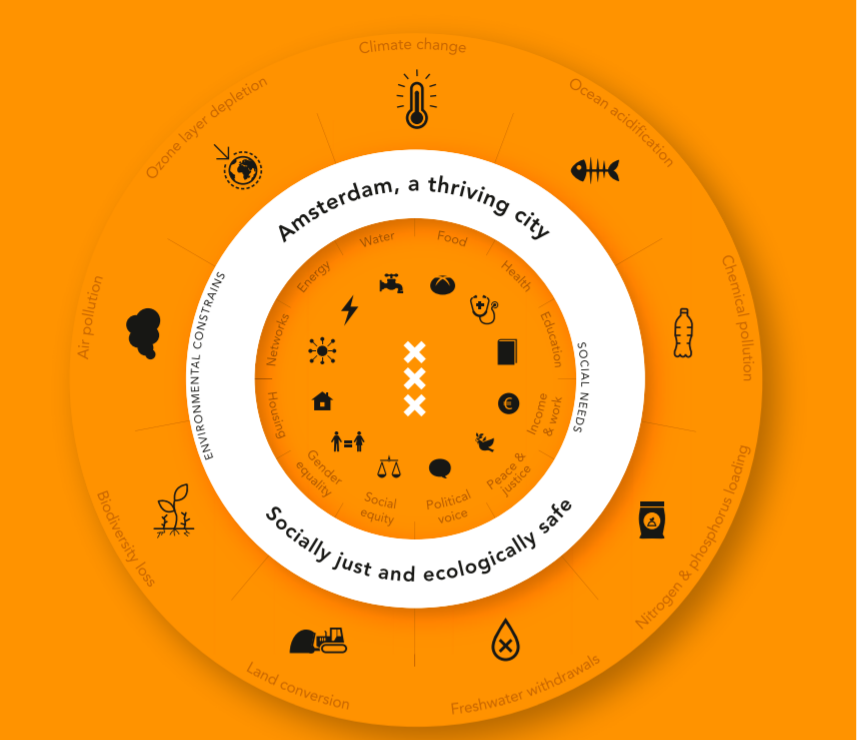
Amsterdam went further still, becoming the first city to adopt Kate Raworth’s doughnut model, planning its economy to meet residents’ basic needs, work, housing and a healthy environment, without breaking past the limits the local and global environment can bear. The model pictures a place living inside a ring, held above a floor no one should fall below and beneath a ceiling the place cannot cross. Tourism becomes one test of that balance, weighed by whether it lifts a place clear of the floor or pushes it through the ceiling. 

Source: Smart Cities World

The most important question is who gets to set the benchmark. A framework built for one kind of place can measure another one incorrectly. A standard owned from outside can pull a place towards whatever is easy to audit. 

The same question reaches past the institutions to the people who live in a place. Residents widely agree that tourism helps the local economy, yet far fewer are ever asked how it should run, so a community can carry the benefits while the choices behind them are settled elsewhere. A measure of success that residents had no hand in setting will struggle to hold what they value most. The destinations getting real use from these tools treat them as a starting point to adapt and keep the decision on what counts as success close to the people it affects. 

Treating Limits as Discipline

Honest figures push some destinations towards the conclusion that doing right by a place can mean fewer visitors in certain spots. Right-sizing keeps a place worth living in as well as worth visiting, steering the value to where it is wanted most.

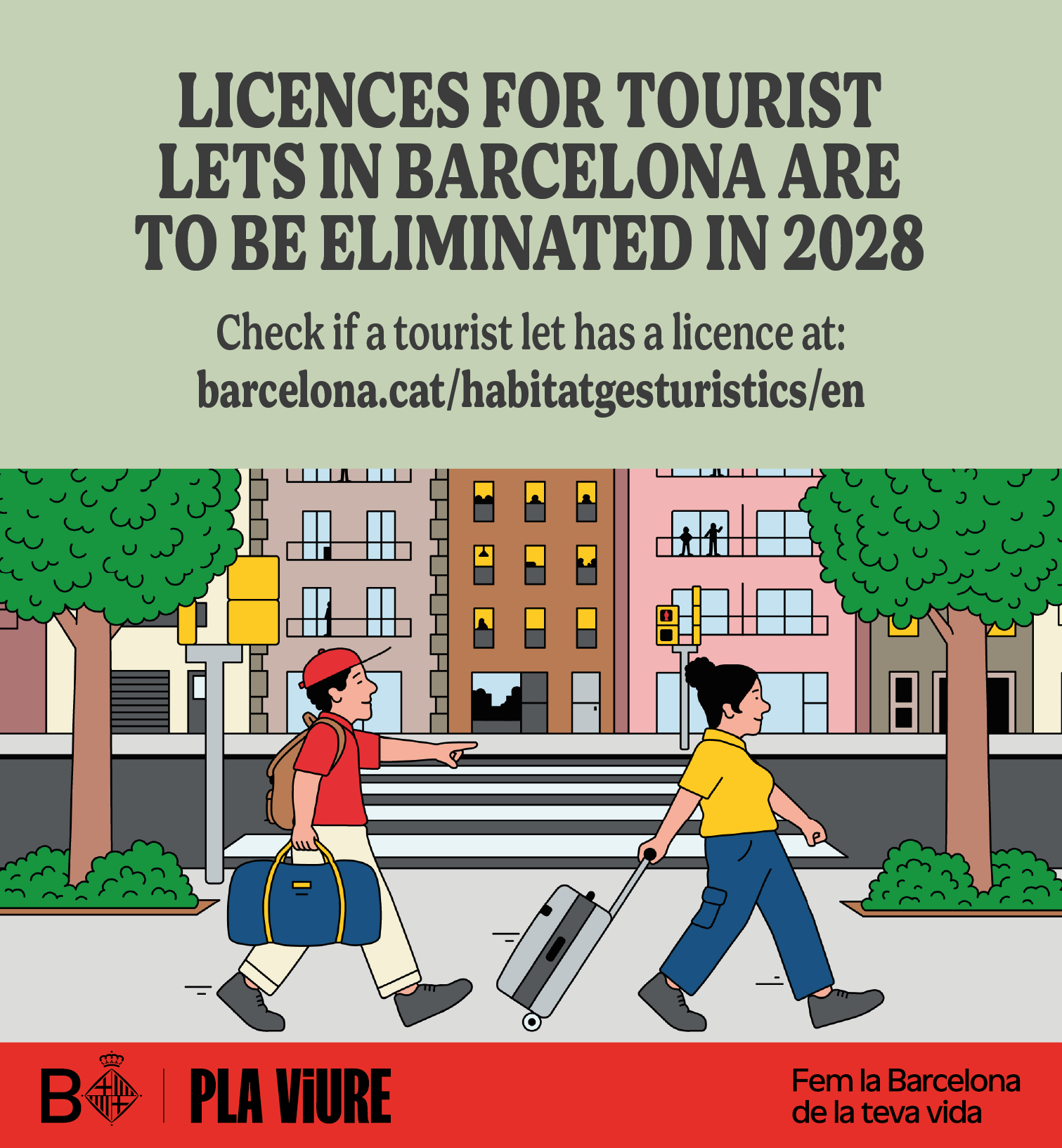
A handful have already turned that conclusion into policy. Barcelona will withdraw every licensed tourist apartment by 2028 and hand around ten thousand homes back to residents, on the view that local people need somewhere to live more than visitors need somewhere to stay. The city is willing to give up one kind of tourism to protect the community the whole industry depends on. 

Source: Ajuntament de Barcelona

Limits like these are a clear choice about what a destination wants to keep. A smaller tourism economy that fits a place can do more lasting good than a bigger one that wears it out. Holding back becomes a way of building prosperity. 

Returning Value to the Place

Prosperity like this is something residents can feel day to day. Money moves through local suppliers, food producers and cultural venues. The landscape and the heritage get the upkeep that visitor interest helps pay for. A working harbour, a restored monument or a well-kept trail serves locals every day and visitors when they come. Copenhagen showed how this can work with CopenHill, a waste-to-energy plant with a public ski slope and park on its roof, something the city needed anyway that locals and visitors now share. 

Understanding a place changes how a visitor treats it. Someone who knows a site, its history and why it looks the way it does leaves it in better shape than they found it. Catalonia’s Els Ulls de la Història uses virtual reality to bring its monuments to life for locals, schoolchildren and visitors alike, deepening the hold a shared heritage has on everyone who encounters it. Tourism built this way leaves the place stronger, its stories better known and better kept. 

The same residents have a second role, as a destination’s strongest advocates. People who are glad to live somewhere carry a welcome and a local knowledge that no campaign can supply. Slovenia built this into its national approach, where Bled’s Ask me, I am local scheme has residents meet visitors and share what they know of the place. Looking after the people who live there leaves a destination with what the rest are still chasing, namely a community ready to show visitors why the place matters. 

Building tourism that gives more than it takes is a job that requires full participation from a place, its economy, its community and its environment together. The tools are arriving, while the most difficult parts remain largely undetermined: who sets the benchmark for a place and whether the people who live there have any real say in it. A destination that works those two out has the makings of prosperity that holds. 

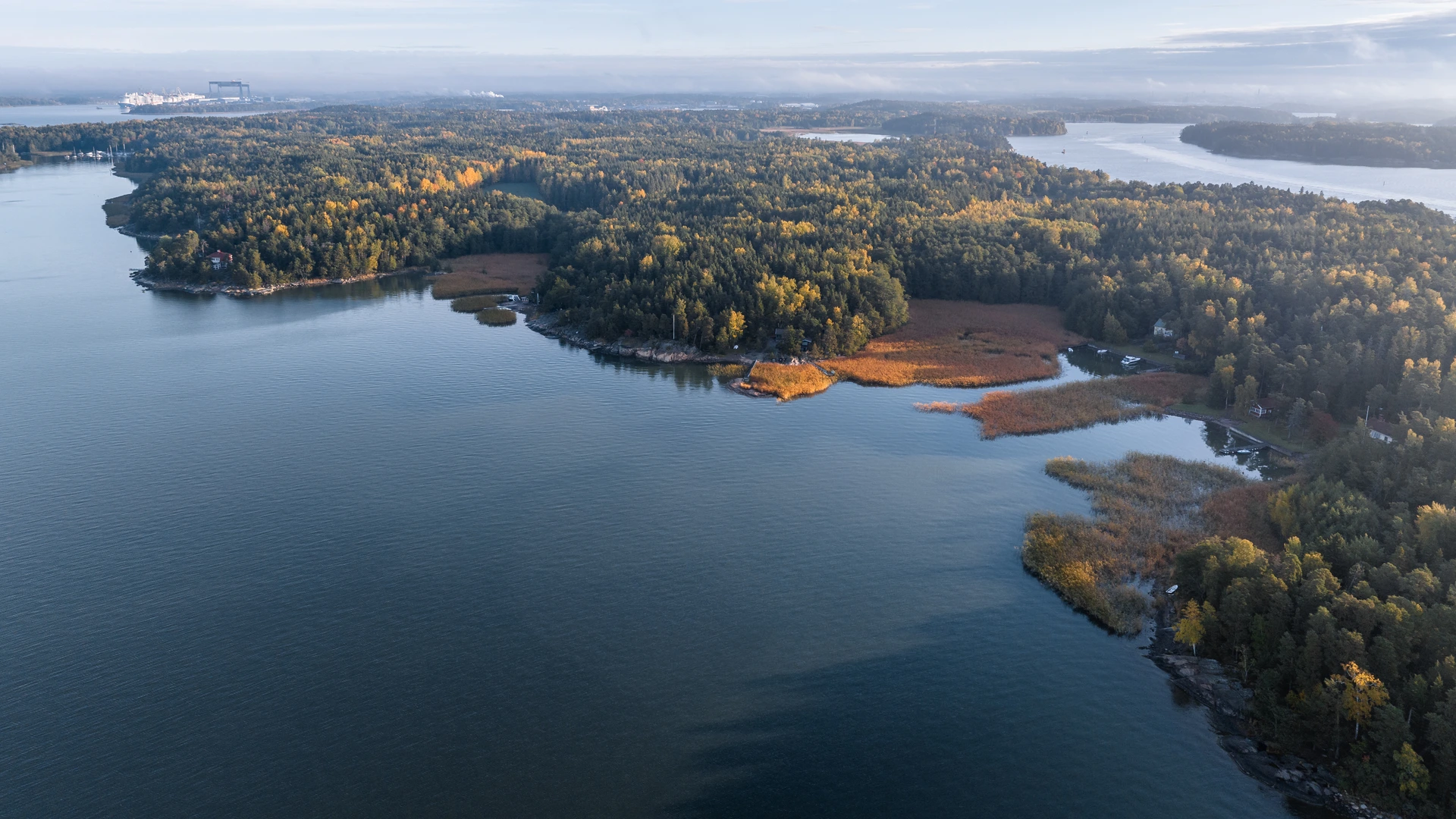
How can we ensure tourism brings a net positive contribution to communities and society, leading to lasting prosperity? CAMPUS 2026 is designed as a space to work through that question. Taking place from 30 September to 3 October in the Turku Archipelago, Finland, CAMPUS brings together destinations and industry for hands-on engagement with sustainability across its environmental, socio-cultural and economic dimensions.
Subscribe to our Newsletter

Thank you! Your submission has been received!
Oops! Something went wrong while submitting the form.

Most destinations still measure tourism by what it brings in. Arrivals, overnight stays and visitor spend fill the annual reports that go up to ministers and funding boards. These numbers show how big tourism has grown but almost nothing about what it leaves behind. 

A better question is whether tourism leaves a place better off, in its economy, its community and its environment together. A place left better off holds those gains long after the visitors leave, in residents who want to stay and an economy that still works for them through the quiet months. The honest answer to that is what tells you whether tourism is earning its keep. A growing number of destinations are starting to take that question seriously. 

Redefining Success

Counting success by arrivals rewards a destination only for bringing in more people each year, whether or not the place can cope or residents see any of the gain. The wellbeing of residents, the health of the environment and the prosperity of the community set a higher bar. The test becomes what tourism does to a place, beyond how many people it brings. 

Several national tourism boards now think this way. The Netherlands built its national plan, Perspective 2030, on the idea that tourism is a means to an end, with the stated goal that every Dutch person should benefit from it. Success then looks like liveable towns, protected landscapes and a tourism economy that works in the places where people live.  

Source: NBTC Holland Marketing

Counting the Full Cost 

Chasing arrivals can leave a place worse off even as the headline numbers climb. Volume wins bargain-hunting visitors whose costs often outweigh what they spend, while quality brings the people who stay longer, spend more with local businesses and come back; the demand that holds steady when a season is slow or a market dips. The bigger costs, though, reach well past the visitor mix. 

Most of these costs fall on the taxpayers. Local services, from roads and water systems to waste collection and emergency services, have to expand simply to cope with the busiest weeks of the year. The public pays to build this extra infrastructure and then pays again to maintain it while it sits unused for months at a time. A lot of tourism quietly runs on this hidden subsidy, which rarely shows up next to the revenue. 

The costs go beyond infrastructure, into the everyday life of a place. Housing is the clearest case, where holiday lets remove homes from an already stretched market and push rents past what local people can afford. Wear on trails, reefs and old town centres builds up slowly and costs a lot to undo. A spend figure that ignores all this is gross revenue with the bill left out. 

Where the money ends up matters as much as how much of it comes in. Money that flows straight back out to chains, booking platforms and tour operators based elsewhere does little for the community whose name and landscape drew the visitors in the first place. The pressure to show quick wins keeps everyone watching the arrival numbers, which move fast, while the slow work of building lasting local benefit rarely fits a four-year political cycle. 

Measuring What Matters and Who Decides

Counting cost and value together is the challenging part. The tools for it are starting to appear. NBTC in the Netherlands has built a DMO Impact Model that traces how a tourism body’s work feeds through to its effect on the local economy, the environment and society. A companion monitor tracks each of the three. The model gives a destination a plain way to show what it is trying to change and whether it is working. 

Bigger frameworks let that local work be compared and shared. The GSTC Destination Standard sets a global floor across management, social and economic impact, culture and the environment, a baseline destinations are meant to build well past. 

Amsterdam went further still, becoming the first city to adopt Kate Raworth’s doughnut model, planning its economy to meet residents’ basic needs, work, housing and a healthy environment, without breaking past the limits the local and global environment can bear. The model pictures a place living inside a ring, held above a floor no one should fall below and beneath a ceiling the place cannot cross. Tourism becomes one test of that balance, weighed by whether it lifts a place clear of the floor or pushes it through the ceiling. 

Source: Smart Cities World

The most important question is who gets to set the benchmark. A framework built for one kind of place can measure another one incorrectly. A standard owned from outside can pull a place towards whatever is easy to audit. 

The same question reaches past the institutions to the people who live in a place. Residents widely agree that tourism helps the local economy, yet far fewer are ever asked how it should run, so a community can carry the benefits while the choices behind them are settled elsewhere. A measure of success that residents had no hand in setting will struggle to hold what they value most. The destinations getting real use from these tools treat them as a starting point to adapt and keep the decision on what counts as success close to the people it affects. 

Treating Limits as Discipline

Honest figures push some destinations towards the conclusion that doing right by a place can mean fewer visitors in certain spots. Right-sizing keeps a place worth living in as well as worth visiting, steering the value to where it is wanted most.

A handful have already turned that conclusion into policy. Barcelona will withdraw every licensed tourist apartment by 2028 and hand around ten thousand homes back to residents, on the view that local people need somewhere to live more than visitors need somewhere to stay. The city is willing to give up one kind of tourism to protect the community the whole industry depends on. 

Source: Ajuntament de Barcelona

Limits like these are a clear choice about what a destination wants to keep. A smaller tourism economy that fits a place can do more lasting good than a bigger one that wears it out. Holding back becomes a way of building prosperity. 

Returning Value to the Place

Prosperity like this is something residents can feel day to day. Money moves through local suppliers, food producers and cultural venues. The landscape and the heritage get the upkeep that visitor interest helps pay for. A working harbour, a restored monument or a well-kept trail serves locals every day and visitors when they come. Copenhagen showed how this can work with CopenHill, a waste-to-energy plant with a public ski slope and park on its roof, something the city needed anyway that locals and visitors now share. 

Understanding a place changes how a visitor treats it. Someone who knows a site, its history and why it looks the way it does leaves it in better shape than they found it. Catalonia’s Els Ulls de la Història uses virtual reality to bring its monuments to life for locals, schoolchildren and visitors alike, deepening the hold a shared heritage has on everyone who encounters it. Tourism built this way leaves the place stronger, its stories better known and better kept. 

The same residents have a second role, as a destination’s strongest advocates. People who are glad to live somewhere carry a welcome and a local knowledge that no campaign can supply. Slovenia built this into its national approach, where Bled’s Ask me, I am local scheme has residents meet visitors and share what they know of the place. Looking after the people who live there leaves a destination with what the rest are still chasing, namely a community ready to show visitors why the place matters. 

Building tourism that gives more than it takes is a job that requires full participation from a place, its economy, its community and its environment together. The tools are arriving, while the most difficult parts remain largely undetermined: who sets the benchmark for a place and whether the people who live there have any real say in it. A destination that works those two out has the makings of prosperity that holds. 

How can we ensure tourism brings a net positive contribution to communities and society, leading to lasting prosperity? CAMPUS 2026 is designed as a space to work through that question. Taking place from 30 September to 3 October in the Turku Archipelago, Finland, CAMPUS brings together destinations and industry for hands-on engagement with sustainability across its environmental, socio-cultural and economic dimensions.
Subscribe to our Newsletter

Thank you! Your submission has been received!
Oops! Something went wrong while submitting the form.