Social Media Changes: Exploring the Platform Pivot
Social media platforms and the algorithms that govern them continue to evolve rapidly. Features change, reach fluctuates, new platforms emerge and established ones shift their priorities, often with little warning and less transparency.
DTTT Knowledge Team
09 Mar 2026
In this piece
Social media platforms and the algorithms that govern them continue to evolve rapidly. Features change, reach fluctuates, new platforms emerge and established ones shift their priorities, often with little warning and less transparency. For DMOs, this constant movement demands a genuine strategic rethink about where and how they engage with audiences. Finding the right crowd and earning its attention has become a defining challenge. Rather than broadcasting messages to passive audiences, many travel brands are allocating up to 50% of their marketing budgets to producing authentic social media content. What was once treated as a lightweight, creative outlet now demands the same strategic rigour as any other channel.
As the number of social media platforms continues to expand, each with its own audience behaviour and preferred content format, DMOs face increasingly complex choices. The rise of niche, interest-driven platforms is where this shift is playing out most visibly. As digital discovery moves toward discussion and activity-based hubs, this presents an opportunity for destinations to become active contributors to the conversations shaping the very narratives that define their identity. With data from Sprout Social showing that the average social media user is active on approximately 6.75 different social networks each month, DMOs have a prime opportunity to rethink where and how they show up. This invites the ability to be more creative and intentional with platform strategies, placing community engagement at the centre.
82% of our panel of destination experts view social platform shifts as a long-term trend influencing their marketing strategies, maintaining visibility as consumer behaviour evolves in tandem. Despite being perceived as having a moderate impact, DMOs are facing a crucial moment in determining how quickly they can move in their efforts to diversify platform reach without losing the audiences they have already built.
Community Co-Creation
Individual passions, hobbies and interests are increasingly shaping travel searches. A Skyscanner study of 22,000 travellers found a growing desire for more personalised travel experiences, with more time being spent researching specific activities through community groups. In doing so, engagement is increasingly becoming more important than impressions when measuring campaign success.
With more than 180 million fitness enthusiasts, Strava offers a compelling case study for this new model of destination awareness raising. Several DMOs have already recognised the opportunity to meet active travellers where they track their fitness activities, inviting participation to turn passive audiences into active contributors who associate a destination with a personal achievement:
The Slovenian Tourist Board (STB) launched the I Feel Slovenia Challenge, encouraging users to achieve 100 minutes of physical activity in return for entry into a competition to win a two-day trip to the country. In just two weeks, the campaign engaged over 115,000 recreational athletes, representing an overwhelmingly positive response and above-average engagement. The direct connection with the country’s strategic focus on sport and outdoor adventures for tourism promotion is one of the key reasons the campaign resonated so strongly. STB has also established a permanent presence on the platform through its Sport fans of Slovenia club, building an ongoing home for active travellers.
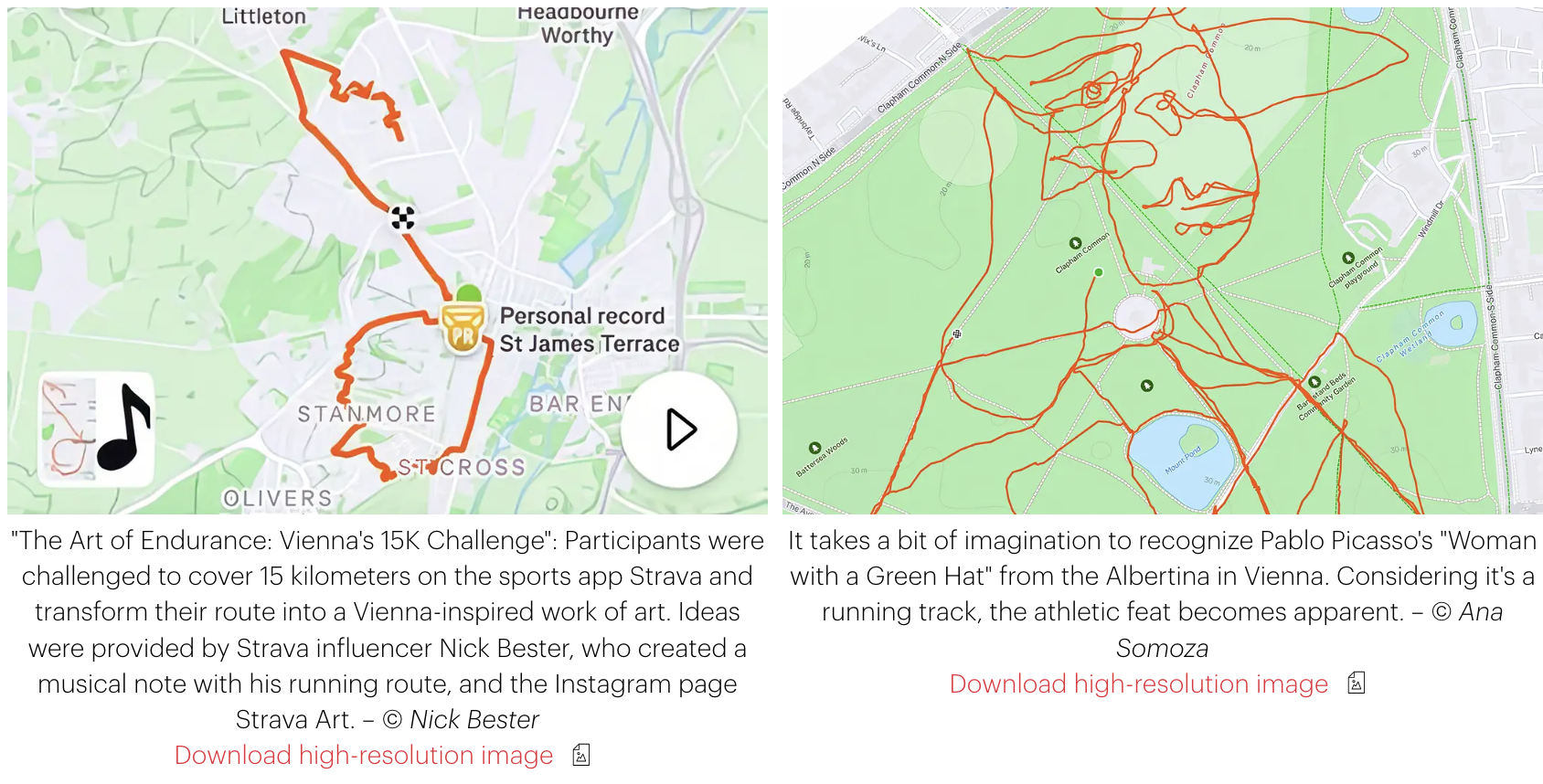
The Vienna Tourist Board took a similar approach with its The Art of Endurance Challenge, which attracted more than 77,000 participants to run 15km — representing the length of all Vienna's artworks hung end-to-end. In encouraging users to make their own Vienna-inspired Strava Art for bonus entries into a competition, the campaign connected culture and sport in a playful way.
The shift towards niche communities also raises the question of what to do with established platforms where broadcast reach is fading. Facebook is the most prominent example, with an organic reach of between 1-2%. For destinations still measuring success by how many people see a post, legacy platforms are offering diminishing returns. Yet writing the platform off entirely would miss a quieter but significant counter-trend. Facebook Groups are experiencing a revival as spaces where meaningful conversations and local storytelling thrive. Unlike page posts that compete with an algorithm, Groups bring together members who have actively chosen to join and engage. Several of our panellists highlighted this distinction, despite the majority confirming that they are declining their Facebook presence.
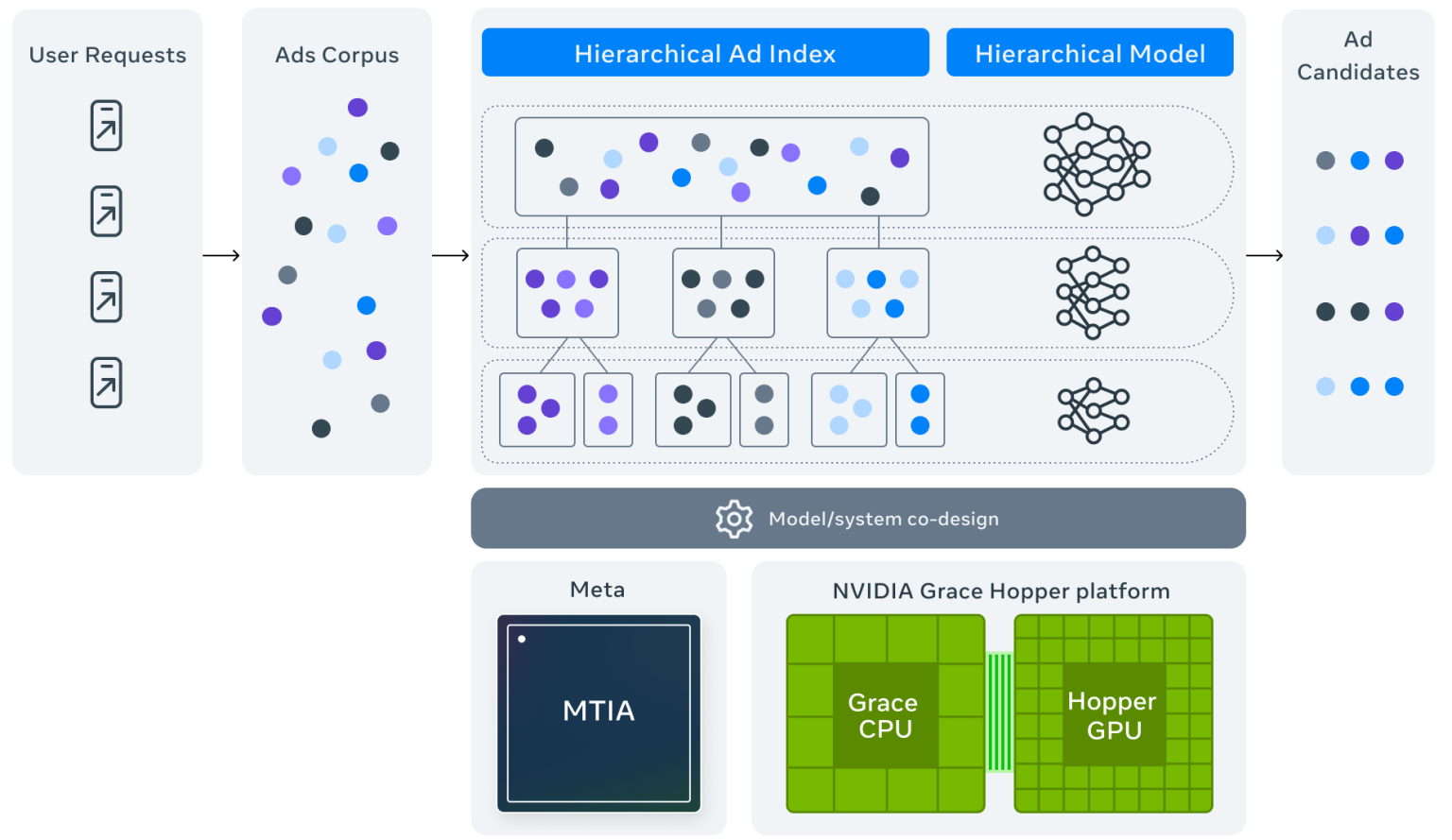
Yet, Meta’s advertising infrastructure also continues to strengthen. The global rollout of Meta’s Andromeda retrieval engine introduced AI-driven personalisation that matches creative content to individual users in real time, shifting the emphasis from audience targeting to creative quality. Meta’s internal data reports that this enhanced degree of personalisation has enabled a fourfold improvement in ad performance. For DMOs, this means that well-crafted, diverse creative content is now more likely to find the right audience automatically. The opportunity, then, is not to abandon the platform altogether but to distinguish clearly between broadcast posting, which is declining, community groups, which are growing, and paid advertising, which remains a proven performer.
The distinction between organic content and paid advertising is a key consideration when evaluating which platforms deserve investment. Not every platform serves both purposes equally well. DMOs should assess each platform not as a single channel but as two distinct propositions:
Where can we contribute meaningfully to conversations?
Where can we amplify that message through paid distribution?
The platforms that answer both questions well deserve the greatest focus. Those answering only one still have a role, but a more defined one. Nevertheless, it is clear that community focus is becoming the new currency of digital discovery, particularly as many DMOs transition towards spotlighting lesser-known hidden gems. Destinations that understand this focus on user-driven needs will win both relevance and trust. However, community only works when the content behind it is honest and participatory, showing voices, places and experiences that people can relate to. That trust is what turns audiences into active, loyal communities.
The LLM Effect
The relationship between community platforms and artificial intelligence has introduced a new dimension to the platform question. Reddit, long considered a niche forum, is now one of the most significant data sources feeding Large Language Models after Google signed a deal worth a reported $60 million annually to access Reddit content for AI training. OpenAI followed suit with its own partnership. This means that Reddit’s 116 million daily active users are collectively shaping the answers that search results provide.
Such agreements show how decisions made by external players shape destination discovery. A large-scale study by SE Ranking found that Reddit now appears in 37% of the top-10 organic Google search results, considerably higher than other social media platforms. It is also highly cited in AI Overviews, only slightly behind YouTube, demonstrating how content that appears on the platform has a compounding effect. DMOs must be quick to reflect upon these broader considerations and lay the groundwork to respond accordingly.
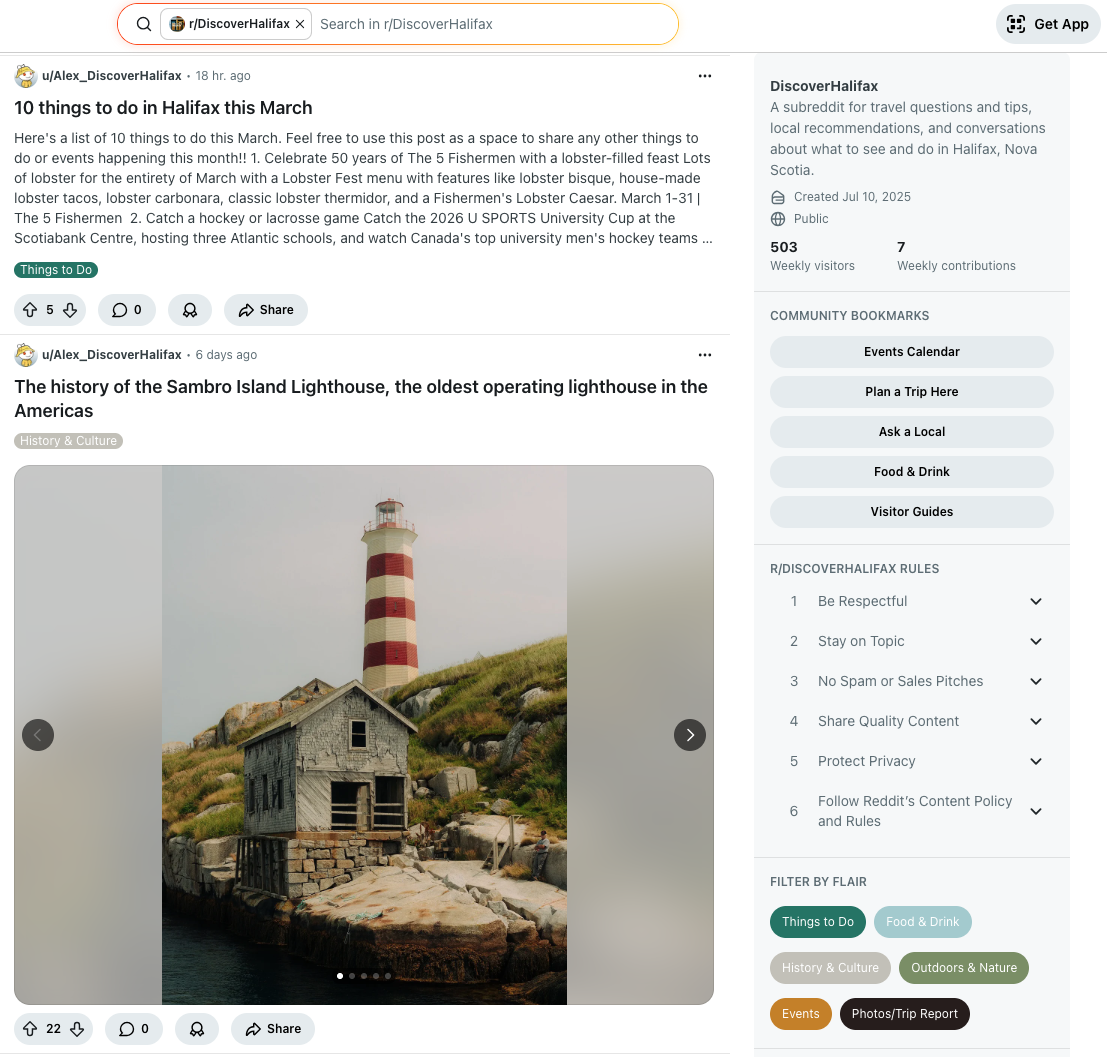
For destination marketers, the implication is significant. Engaging on Reddit has a return on destination visibility that goes beyond impression counts, because the content generated there feeds into the AI-powered search tools that a growing share of travellers are using to plan trips. Discover Halifax is testing this approach directly, launching a Reddit account to engage with community discussions about the destination. Their move represents an early experiment in what it means for a DMO to participate in the kind of unstructured, user-driven conversation that Reddit thrives on.
However, there is a clear tension here. On a forum like Reddit, there is no control over who starts which discussion or what factual basis the conversation builds on. There is just as much risk of spending time putting out fires as there is of successfully taking ownership of the narrative, even if the destination started the discussion itself. All the accurate information destinations contribute to such forums is blended together with inaccurate information, at least based on how the major LLMs function today.
This points to a broader challenge. Community engagement on these platforms requires moderation skills, rapid response times and a tolerance for uncertainty. Some destinations are finding pragmatic workarounds, such as considering whether to upload community testimonies from live chat tools for enhanced visibility among LLMs. Nevertheless, there is reason to believe that LLMs will eventually combat such significant credibility challenges and will move towards enabling verified information sources.
Several destinations mentioned their blog content as a valuable asset in this context. Long-form, factually rich, experience-driven writing may eventually carry more weight in an AI discovery environment than short-form social content. Destinations that have invested in editorial quality are beginning to see how that investment might pay dividends as LLMs increasingly prioritise trustworthy, original sources. This shows that while some channels currently have a greater impact in influencing visibility and brand presence, the future mix and roles of different channels will likely be more varied in achieving this.
The Brand Risk of Platform Evolution
The willingness to experiment on new platforms must also be balanced against the reputational risk of associating a destination brand with a platform whose values or policies shift. This has become one of the most contested issues in destination marketing. For DMOs, the decision of which platform to invest resources in involves considering whether association with a platform’s public image is consistent with a destination’s values. The challenge of dealing with secretive algorithms and profit-focused platform owners pushing their own agenda is now an increasingly significant and serious consideration.
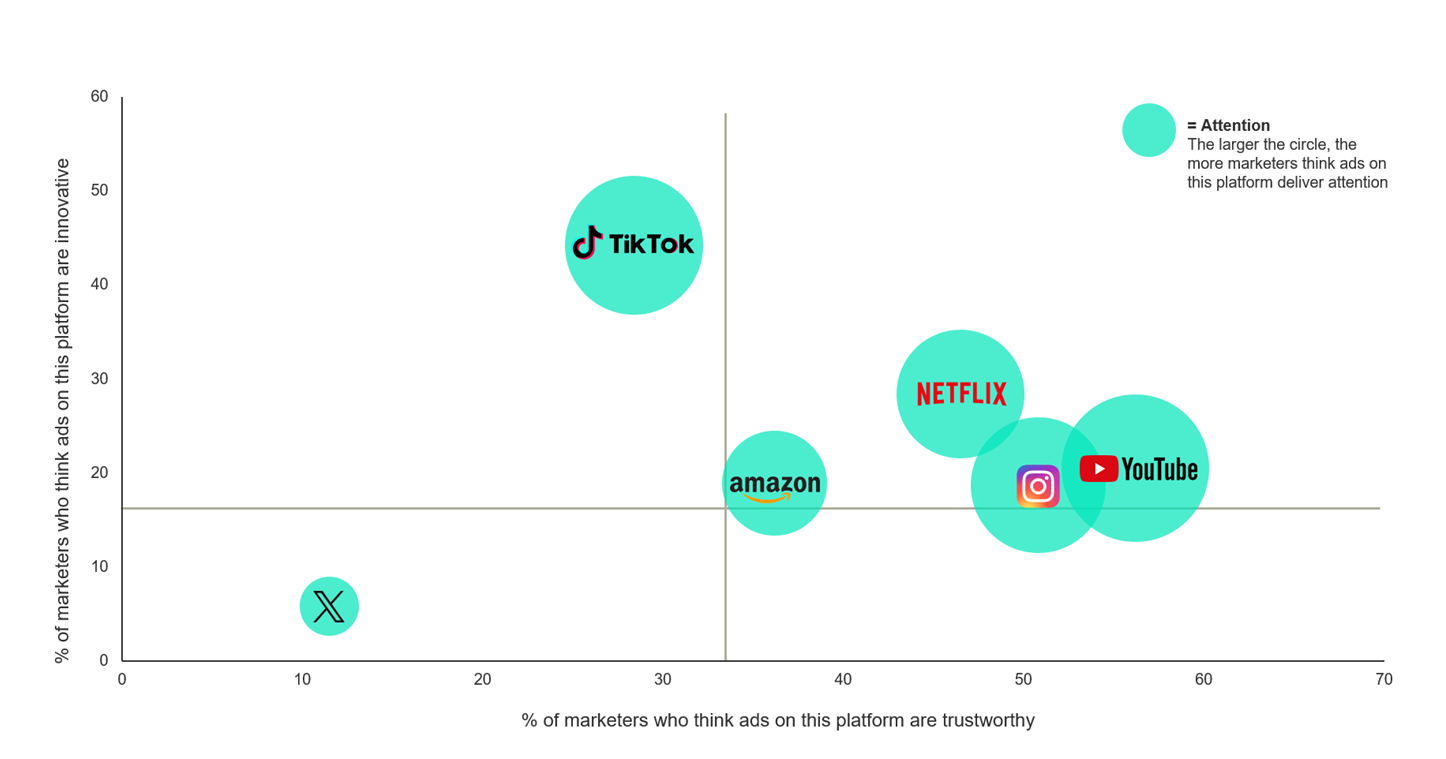
X (formerly Twitter) is the most visible example. Following its acquisition by Elon Musk in 2022, the platform has seen a significant advertiser exodus, with brand safety concerns cited as a primary driver. A 2024 Kantar survey found that only 4% of marketers considered X ads to be brand-safe, resulting in 26% planning to reduce ad spend on the platform in 2025. The scale of this decline is clear to see, with X contributing just 1.8% of all social media referral traffic. More recently, the widespread negative coverage of X's built-in AI chatbot Grok has generated further substantial reputational damage, leading many DMOs from our panel to decrease their presence on the platform.
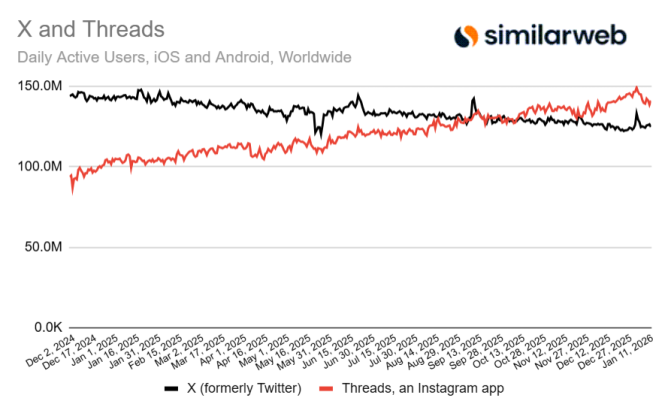
By January 2026, X's 125 million mobile daily active users were overtaken by Threads' 141.5 million daily active users. While our panel presents a mixed picture about its role in destination marketing, some DMOs have proven success in gaining engagement by tapping into fandoms.
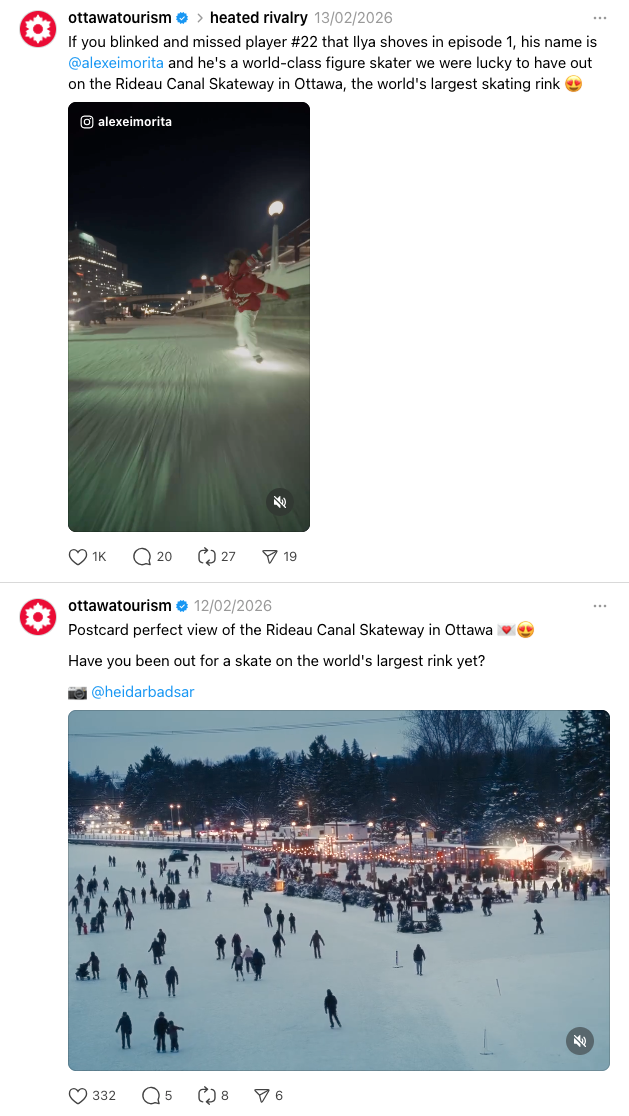
Ottawa Tourism offers a striking example of what can happen when a destination moves quickly on an emerging platform. When the hockey romance series Heated Rivalry became a cultural phenomenon in late 2025 and early 2026, Ottawa Tourism leaned into the fandom with a cheeky and humorous tone, with the organisation's bio updated to read "birthplace of Shane Hollander", the show's protagonist. In less than two weeks, the DMO added nearly 23,000 new followers across its channels, with its presence on Threads receiving almost 100,000 interactions and one million views.
TikTok presents a different, but equally instructive, case. The platform’s ads reach close to two billion users each month, and our panel of destinations identified it, alongside Instagram and YouTube, as one of the platforms where they were increasing their presence the most. Yet, the ownership questions surrounding TikTok in the United States created sustained uncertainty for organisations that relied on it as a marketing channel.
Following years of legal challenges and repeated enforcement delays, TikTok’s US operations were formally transferred to a new American-majority joint venture in January 2026. While the resolution removes the immediate threat of a ban, it serves as a cautionary tale about the risks of over-reliance on any single platform whose operating conditions can shift for reasons entirely beyond a marketer’s control.
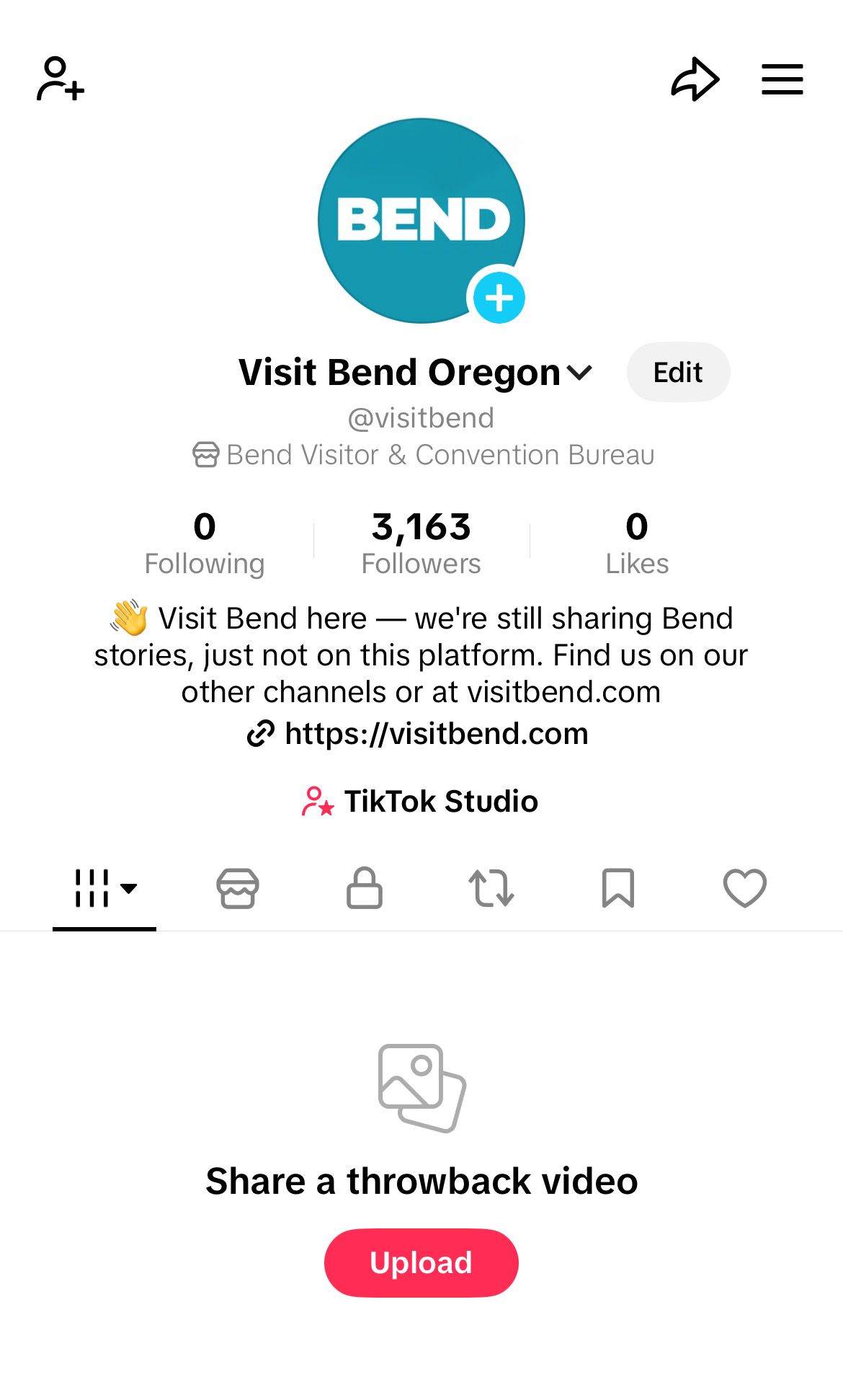
While this clarity has eased concerns for many DMOs about the platform's future, Visit Bend in Oregon took the bold decision, however, to leave the platform despite its growing audience. After having paused its TikTok account for months during the US ownership uncertainty, the DMO reviewed the platform’s updated Terms of Service and concluded they no longer aligned with its brand values. The new policies allow precise GPS tracking, expanded off-app advertising and broader data use, including for AI model training.
While TikTok had been very top-of-funnel, site conversions were minimal. Visit Bend pulled paid spend at the start of the fiscal year to refocus investment into stronger-performing channels, leaning instead into long-form search and Google short video surfaces to meet travellers where purchase intent already exists, both during the planning phase and while in-market.
This underscores a point that deserves broader attention. Reading and understanding the Terms of Service for each platform is a brand management exercise. Policies around data collection, content licensing, AI training rights and advertising practices evolve frequently, and what was acceptable a year ago may no longer be. For DMOs, this should prompt regular audits of platform policies, not just campaign performance.
Building a 360º Content Ecosystem
The response to platform fragmentation and risk is to build a more durable content ecosystem that spans social media, blog, web and news formats, ensuring narrative consistency and semantic depth across all touchpoints. The direction our panel described is an intentional move towards more human, experiential and emotionally driven content. The goal is to speak less like a brand and more like a destination that understands people's motivations, moods and moments of travel. This human tone is what allows destinations to build stronger engagement with their communities and foster ongoing relationships.
The case for diversification is reinforced by the structural reality that the algorithms that determine content visibility on major platforms are proprietary, opaque and subject to change without notice. A single algorithm update can dramatically alter a destination’s reach overnight, with no recourse and often no explanation. DMOs that concentrate their efforts on one or two platforms are effectively placing their visibility in the hands of decision-makers whose priorities are commercial.
Instagram's head, Adam Mosseri, acknowledged in early 2026 that the platform faces a defining challenge as AI-generated content floods feeds with synthetic imagery. Acknowledging that the platform has not yet seriously confronted this issue, the polished aesthetic that once defined Instagram is giving way to rawer content, where imperfection has become its own signal of trust. Mosseri outlined a series of responses, from building better creative tools for human creators to labelling AI-generated content and working with camera manufacturers to verify authenticity at the point of capture. As the default shifts from trust to scepticism, the destinations that invest in genuine, creator-led storytelling will hold a significant advantage over those still optimising for aesthetics alone.
At the same time, DMOs, such as Visit Benidorm, are adjusting their content and creative models instead of experimenting with new platforms. Through this approach, AI is used as a creative enabler, helping explore new visual styles, generate unexpected concepts, test narrative angles and accelerate production. The strategic direction, storytelling and emotional framing, nonetheless, remain human-led, while AI supports intelligent execution and efficiency. This combines emotional storytelling with AI-powered creativity to build relevance. However, potential moves to regulate platforms to moderate AI-generated content will ultimately influence content performance in the long-term, meaning that DMOs must be agile in adjusting content strategies quickly.
For some DMOs, this experimentation also extends to the creation of niche accounts that don't have an overtly promotional tone. Visit Finland's Vesku the Reindeer, billed as the world's first reindeer influencer, is a notable example. The campaign uses Vesku as an endearing, character-led ambassador and wilderness advocate. This kind of approach works because it meets audiences on their terms, offering content that people choose to follow out of genuine interest. For DMOs willing to take creative risks, such an approach can open up spaces where destination storytelling feels more like a recommendation from a friend.
Diversifying across owned channels, social platforms, editorial media and community forums is a necessity to maintain independence from platform interests that may not align with their own values or public accountability obligations. This is the 360º content ecosystem in practice, leveraging social content that feels personal, supported by blog and editorial content that provides the depth and authority that both human readers and AI discovery systems reward. For DMOs, this long-form editorial layer serves a dual purpose, feeding the curiosity of trip planners while simultaneously improving visibility across AI-driven search environments.
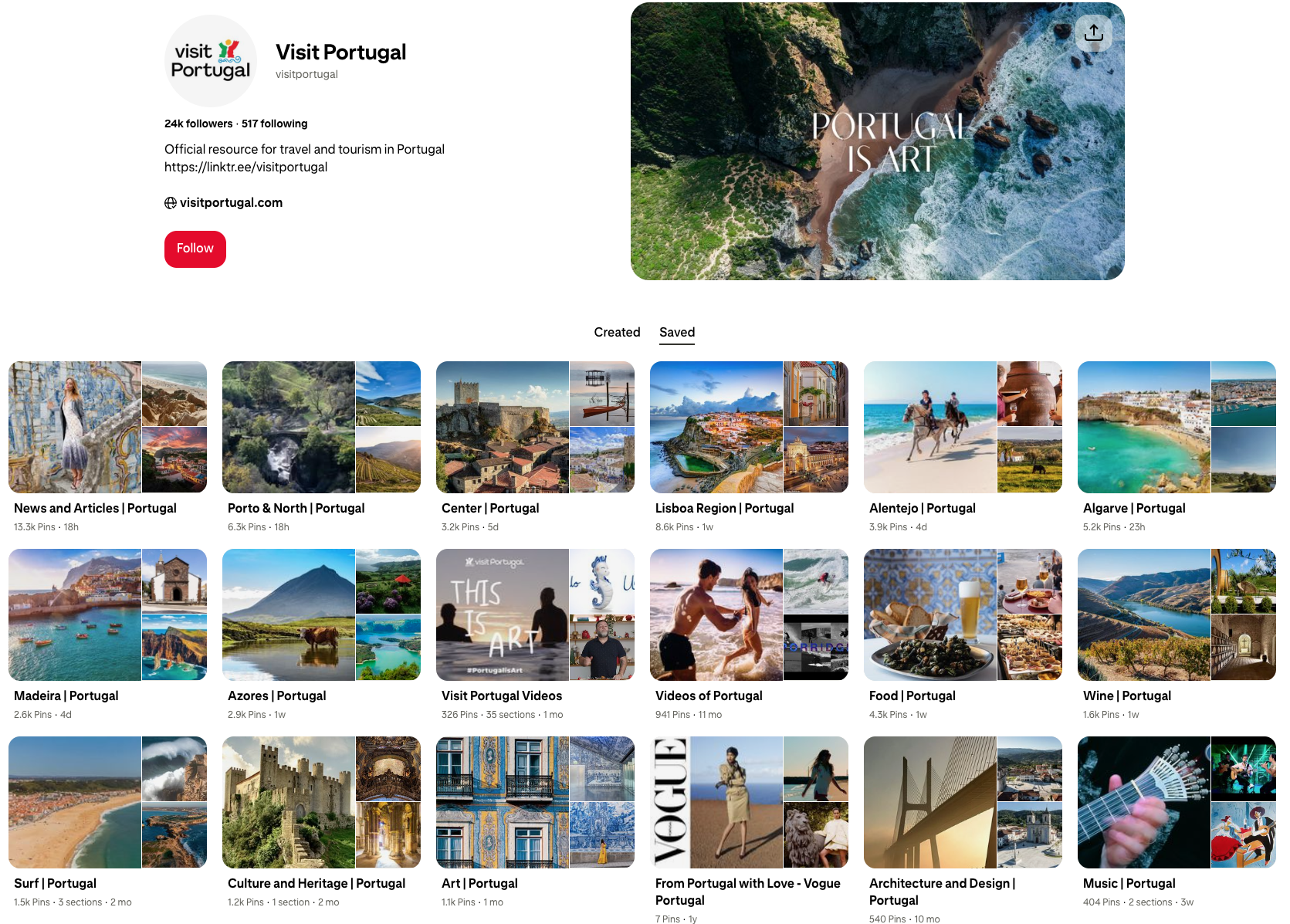
Visit Portugal's Pinterest account shows an initial move in this direction, with curated collections of images and videos for different themes and regions, complemented by a "News and Articles" section linking to external editorial content that provides a educational and engaging story about the country.
Yet for all its promise, building this brings the persistent resource challenge back into focus. Working directly with a wider range of content creators could be the way forward. However, the real challenge is the internal conflict between investing in new platforms and relying on traditional measurement frameworks to justify budgets. The breadth of activity required across platforms means that even the most well-resourced DMOs must make strategic choices about where to focus.
With both technology and trends changing at a rapid pace, it's not an easy decision to crack the code of how to convey messages. The answer, for most, will mean being more deliberate about the type of content produced for each channel and more rigorous about measuring what drives meaningful engagement and conversion.
The platform pivot is an ongoing process of reassessment, experimentation and, occasionally, withdrawal. The destinations that will navigate this transition most successfully are those that treat platform strategy as a living portfolio, informed by community behaviour, aligned with brand values and flexible enough to shift when the landscape changes again.
Platform Pivot – V2B
Trend 01
Future. Destination. Trends 2026
Exploring The Platform Pivot
Social media platforms and the algorithms that govern them continue to evolve rapidly. Features change, reach fluctuates, new platforms emerge and established ones shift their priorities, often with little warning and less transparency. For DMOs, this constant movement demands a genuine strategic rethink about where and how they engage with audiences.
Key Themes
01
Community Co-Creation
Campaign success is shifting from impressions to active participation. Destinations showing up in niche, interest-driven spaces invite genuine involvement and engagement.
02
AI, Reddit & the Search Revolution
Community conversations actively feed the AI search tools travellers use to plan trips. Trustworthy editorial content is increasingly rewarded by AI discovery systems.
03
Platform as Brand Decision
Platform selection is a brand management exercise. DMOs must audit not just campaign performance but the values and terms of the platforms they invest in.
Key Statistics
Facebook
45%
Decreasing
36%
No Change
18%
Increasing
0%
N/A
TikTok
9%
Decreasing
27%
No Change
55%
Increasing
9%
N/A
Instagram
9%
Decreasing
45%
No Change
45%
Increasing
0%
N/A
X
45%
Decreasing
9%
No Change
9%
Increasing
36%
N/A
YouTube
0%
Decreasing
36%
No Change
55%
Increasing
9%
N/A
Reddit
0%
Decreasing
9%
No Change
36%
Increasing
55%
N/A
Key Considerations for DMOs
Assess each platform as two distinct propositions: where to contribute meaningfully to conversations and where to amplify through paid distribution.
Regulatory moves to moderate AI-generated content will influence content performance long-term meaning agile strategy adjustment is essential.
Reconcile the tension between investing in emerging platforms and relying on legacy measurement frameworks to justify budgets.
Over-reliance on any single platform is a strategic vulnerability. Treat platform strategy as a living portfolio informed by community behaviour and aligned with brand values.