The Evolving Role of Destination Branding: What We Learnt From Leading Marketers
Future. Destination. Brand. gathered destination marketers to explore some of the most pressing questions facing the industry, from how visitors want to experience places to how destinations communicate their values.
DTTT Knowledge Team
05 Jan 2026
In this piece
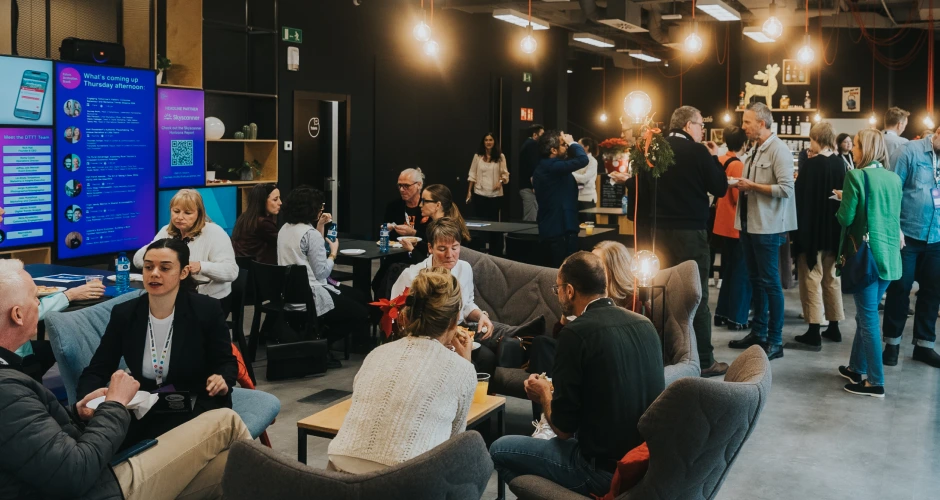
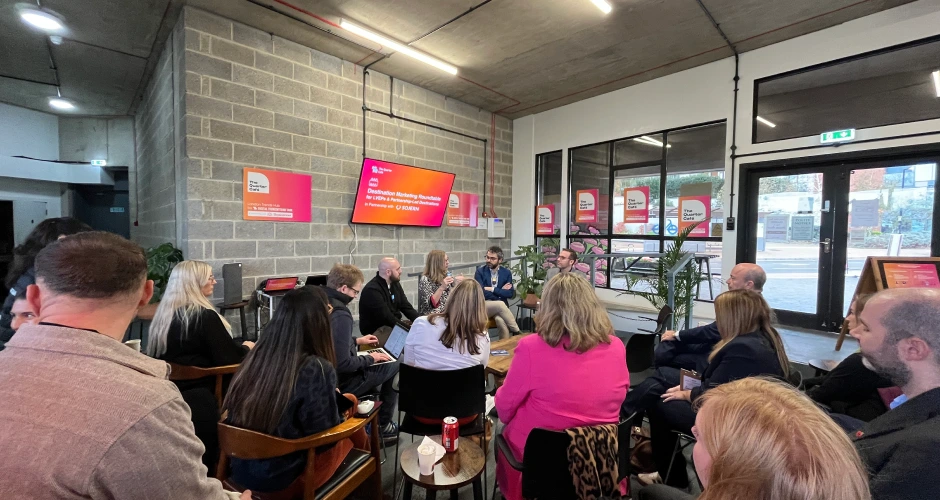
Last month, Future. Destination. Brand. gathered European destination marketers in Barcelona to explore some of the most pressing questions facing the industry. A full day was dedicated to exchanging insights on the long-term implications of AI on organisational structure, data infrastructure and governance frameworks, bringing practical conversations about what is genuinely working and where challenges remain. This valuable peer exchange was followed by inspiring keynotes from leading marketers, who shared how they are approaching shifts in visitor behaviour, technology adoption and brand positioning. What emerged was a picture of an industry rethinking its fundamentals, from how visitors want to experience places to how destinations communicate their values.
Thematic Storytelling Captures Attention
Destination marketing is gradually shifting towards thematic approaches. This helps DMOs maintain authentic connections to place and culture whilst standing out to passionate travellers.
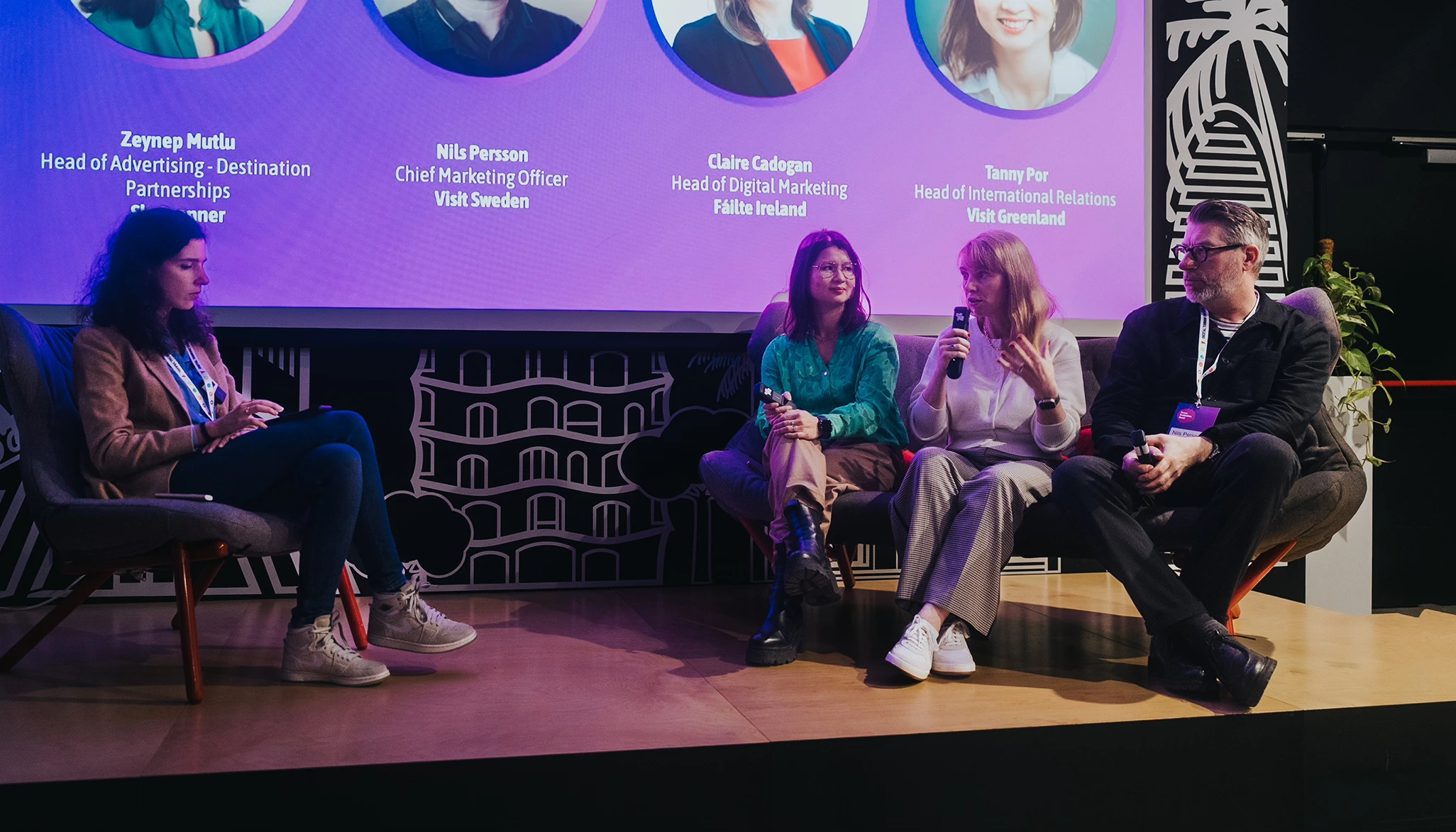
This thematic focus for destination promotion is encapsulated within Skyscanner's seven 2026 travel trends, spotlighting how travel is increasingly being shaped around personal priorities. For example, Visit Sweden's 'Swedish Prescription' campaign positioned the country's natural environment as a wellness antidote, linking to growing trends in beauty and personal wellbeing. Visit Greenland outlined why they are branding the destination around the concept of transformative travel. Fáilte Ireland also shared the strategic thinking behind developing their AI assistant pilot for Winter in Dublin, using intelligent recommendations to create festival itineraries that bring families and friends closer together.
Visit Portugal also demonstrated how thematic marketing can tell richer stories. Across their campaigns, the approach remains consistent: creativity meets authenticity, with places, traditions and people at the centre. Exemplifying this nuanced approach, their 'Unwritten Recipe' campaign for gastronomy invites visitors to experience flavours that connect past, present and future Portuguese cuisine. The campaign is built around five key 'ingredients', resembling Portugal's values. Each becomes a lens through which to explore the country's culinary offer. Their 'Portugal Music Festivals - Headliners' campaign takes a similar approach to symbolic storytelling, positioning Portugal's unique selling points as fictional bands.
Inviting Visitors to Travel Slow and Feel More
There has been a significant shift in how DMOs are approaching slow tourism. Rather than positioning it as a reaction to busy lives, slow travel is now being presented as an invitation to connect more deeply with destinations.
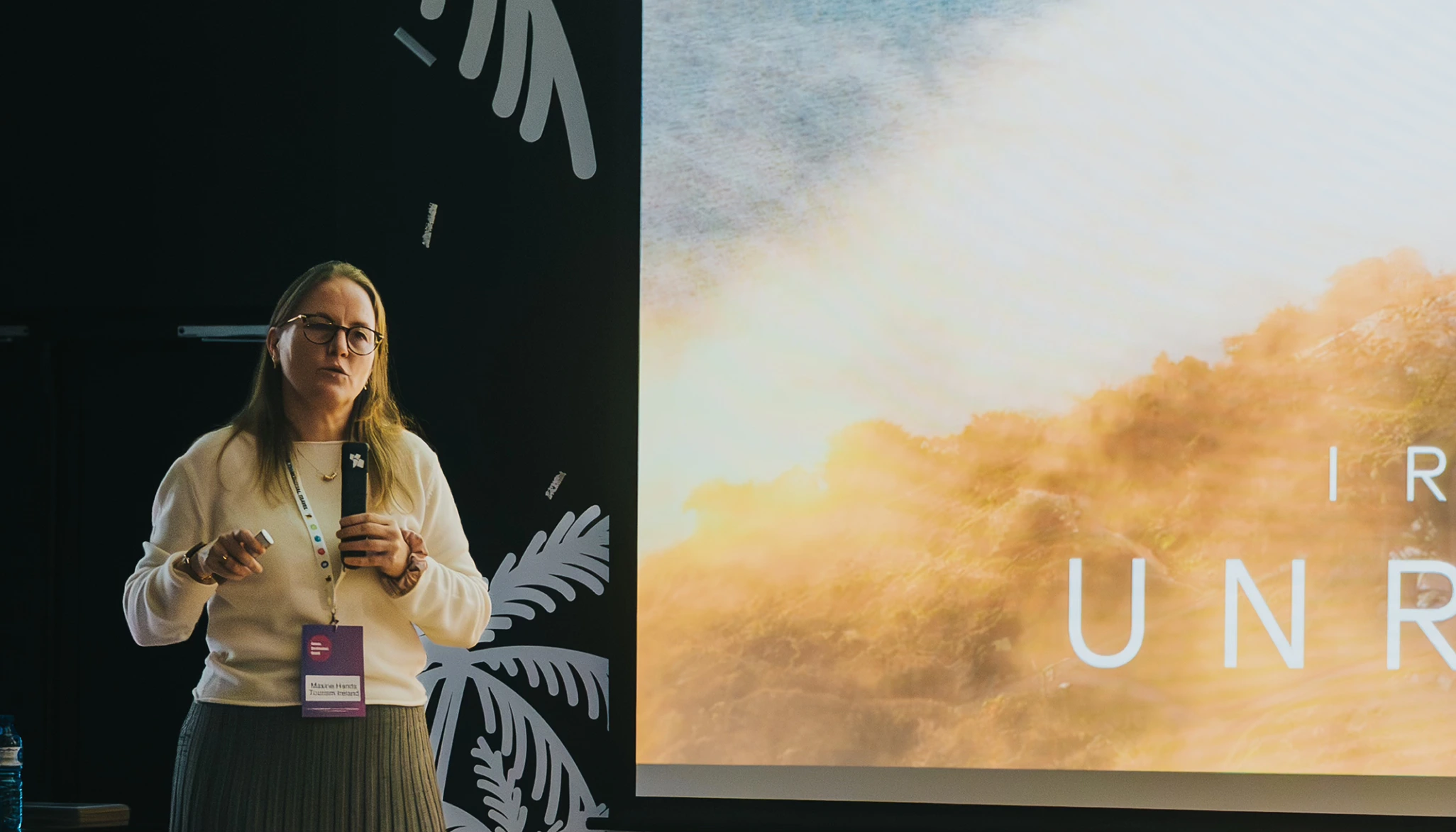
Tourism Ireland's 'Ireland Unrushed' campaign demonstrates this strategic repositioning. The campaign emerged from research showing that their target audience seeks to broaden their minds and discover new skills while travelling. These insights led Tourism Ireland to move away from telling visitors to go slower, and instead invite them to feel more. The distinction matters because it shifts the conversation from what visitors should avoid to what they stand to gain. In doing so, Tourism Ireland created a framework that allows different regions and businesses to tell their own stories whilst contributing to a consistent emotional message about the depth of experience.
Visit Faroe Islands approached slow travel from a different angle through their 'Self-Navigating Cars' campaign. The insights underpinning this initiative came from the knowledge that social media algorithms were pushing visitors to the same hotspots. Their solution was to create curated journeys based on Google Maps, where drivers never know their final destination. The campaign tackled overtourism whilst also offering visitors something genuinely novel: the experience of discovery itself. The campaign shows how constraints can drive creativity when the strategic thinking is clear.
Intentional Travellers Visit Rural Destinations
Research previewed, in partnership with Airbnb, revealed that tourism is often the only growing sector in rural communities, helping counter the population decline and underinvestment that regularly affects these towns and villages. The research introduced the concept of the 'intentional traveller': visitors who actively seek out rural destinations for authentic experiences, disconnection and genuine cultural connections. They're drawn to passion-driven activities, from dark sky tourism to foraging experiences.
Intentional travellers make deliberate choices to explore lesser-known places. The key insight for rural destinations is to play to their strengths rather than trying to compete with city breaks. This distinctive positioning means that rural destinations must offer unique experiences that cannot be undertaken in cities. With rural tourism continuing to grow, short-term rentals play a fundamental role in filling the accommodation gap. This provides rural residents with a much-needed income boost, contributing to the alleviation of the urban-rural income gap.
Community-Led Storytelling
The strongest destination stories now emerge when local communities are at the heart of the narrative. This demonstrates how authentic placemaking increasingly requires genuine participation from residents.
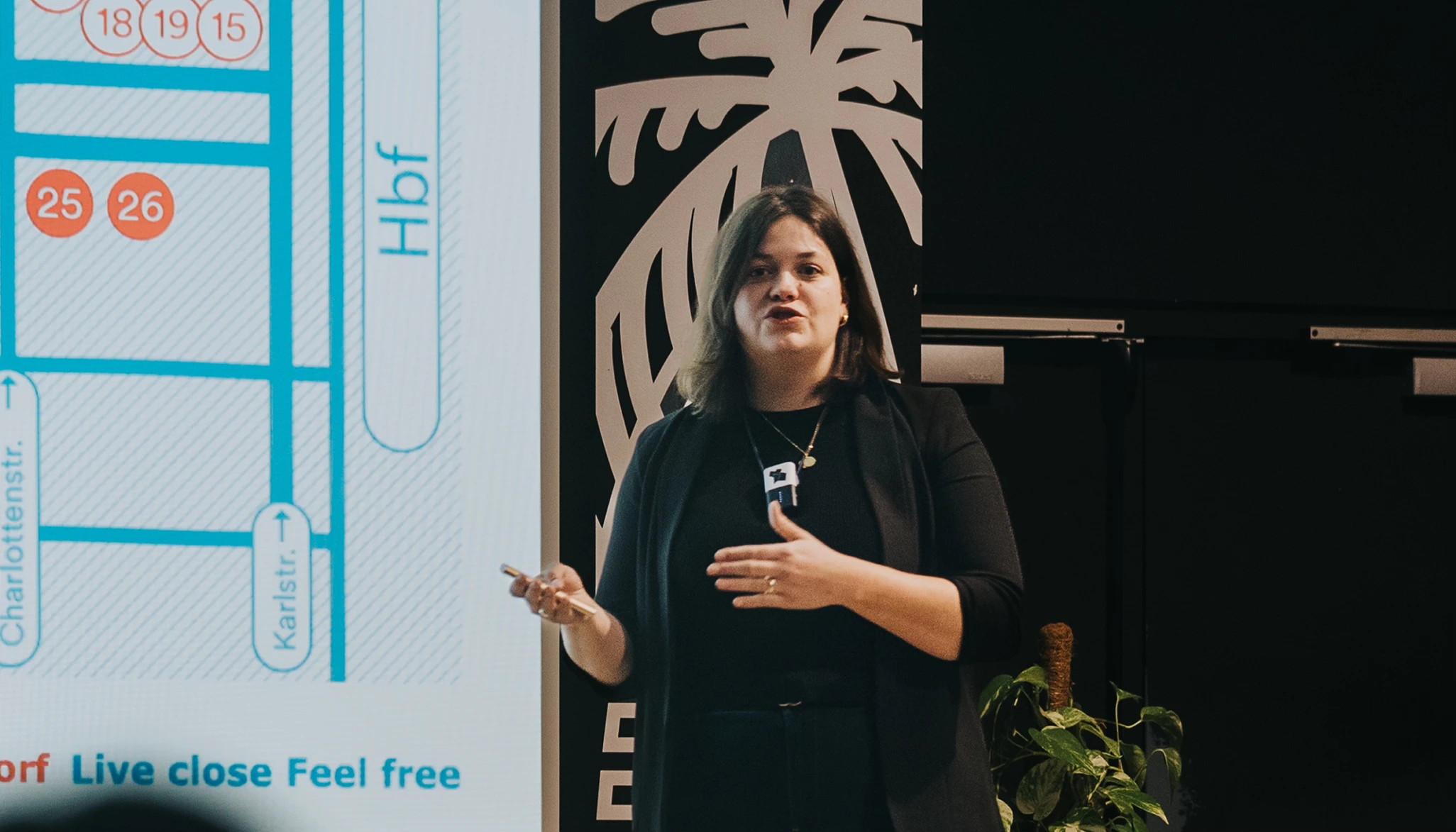
Visit Düsseldorf's Little Tokyo demonstrates what this looks like in practice. Rather than directly commissioning a marketing campaign about the Japanese community, the DMO established regular roundtable meetings, where stakeholders shape the narrative together. Visit Düsseldorf takes the role of a facilitator in producing content, prioritising the need to showcase real traditions and real people. What makes this approach significant is that it generates content and stories that no external agency could produce, whilst strengthening relationships with the local community.
Visit Faroe Islands also took community-led content further through their 'Faroencers' programme. When developing their 'Heim' (Home) strategy, consultations revealed that locals didn't feel represented in marketing. The response was to recruit residents to share island life through their own lens and reduce the number of international influencers in the DMO's marketing efforts. This shift requires leadership buy-in and takes time, but the engagement rates show audiences respond to genuinely local perspectives.
Technology as a Creative Amplifier
While the rise of 'delegated discovery' means that AI increasingly shapes visitor decisions, Visit Greenland's concept of 'Authentic Intelligence' gave a mixed picture for the role of AI in destination marketing. Nevertheless, the discussions demonstrated how technology can enhance marketing creativity and solve friction points for visitors.
Visit Benidorm shared their experimental approach to content creation, where AI tools handle the complete production process. Their view is that while in the past creativity required talent, skills and resources, now talent combined with AI can achieve similar outcomes with smaller teams. Campaigns can now be developed and launched rapidly, reaching significant audiences within days. However, Visit Benidorm acknowledged the risks of homogenisation if DMOs use the same tools and prompts. This is why human creative direction remains essential.
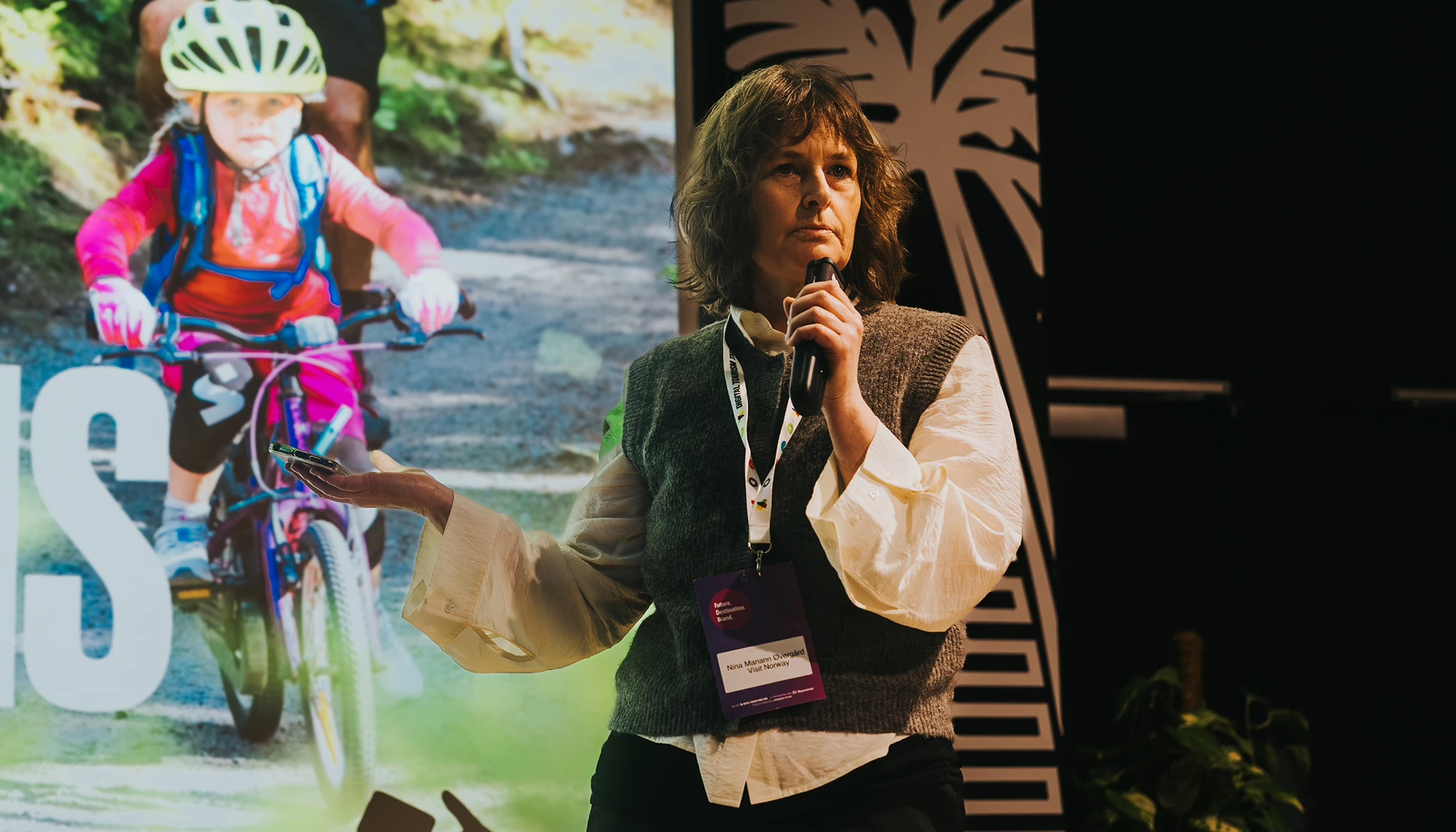
Visit Norway's Fairytale Finder app addresses a different challenge. Children increasingly shape itineraries, but keeping them entertained on road trips while discovering hidden gems requires a new approach. The app combines route planning with games, AR experiences and Norwegian folklore. While the development process wasn't straightforward, the lesson is that getting to truly useful solutions requires iteration.
Destinations Serving Multiple Audiences
DMOs are evolving beyond single-purpose marketing activations. Many destinations have developed unified brand identities, creating efficiencies to strengthen their overall positioning.
Helsinki Partners is a great example of this approach. Recognising that there are significant overlaps between visitor attraction, congress marketing, investment promotion and talent recruitment, the use of the same messaging for different audiences reinforces the city's identity while also eliminating the duplication of effort in brand building. Their 'Happy Helsinki' concept acts as an overarching narrative, supported by Finland's reputation as the world's happiest country for eight consecutive years.
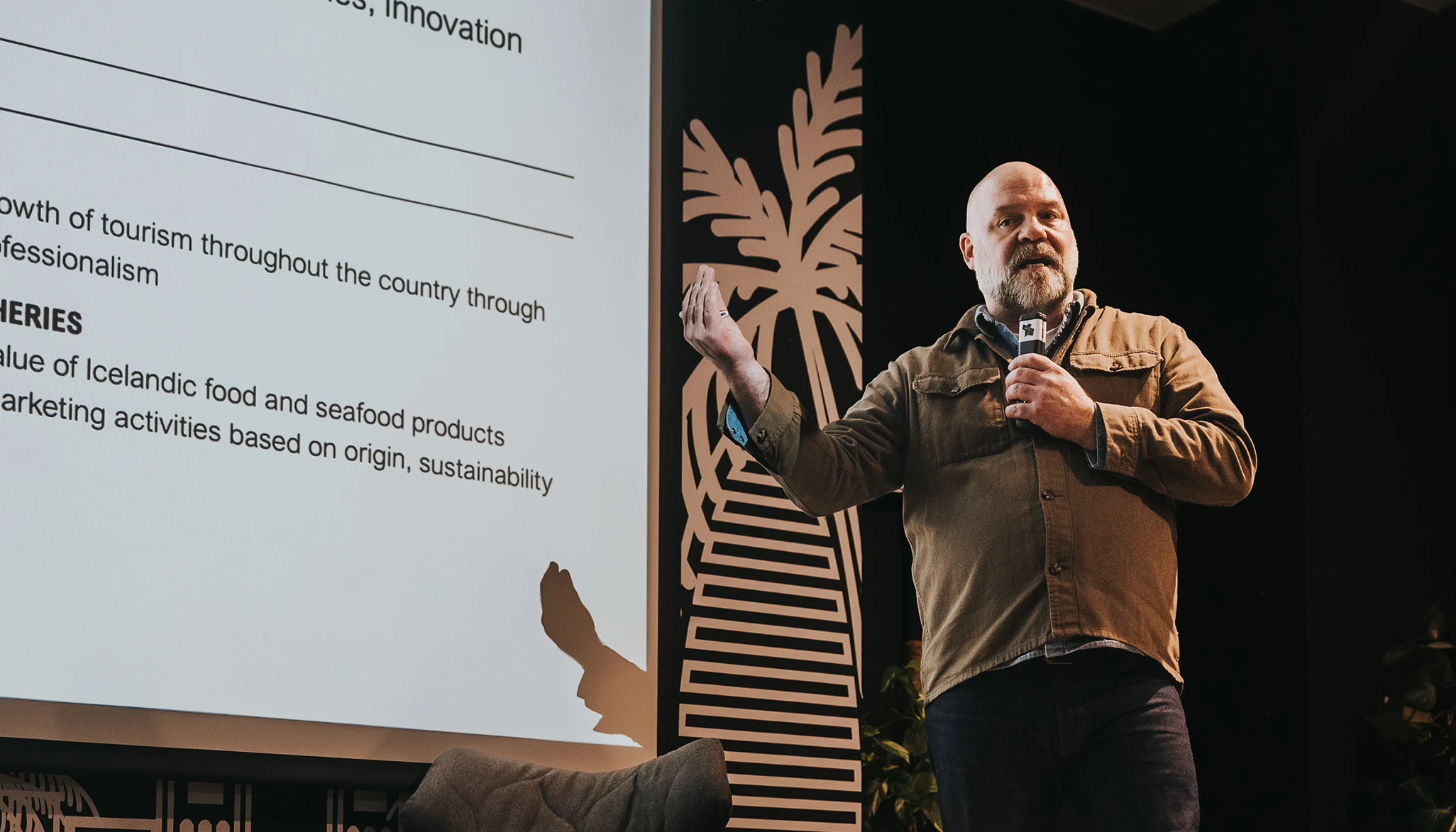
Business Iceland takes multi-purpose positioning even further, maintaining 'Inspired by Iceland' as an umbrella brand whilst developing more specialised sub-brands across tourism, trade and investment. Business Iceland's experience also showed just how quickly brand equity can erode without sustained effort. As a small DMO, they recognise they cannot outspend competitors, but they can outthink them.
Demonstrating Return on Investment
To effectively track return on investment, destinations need to go beyond simply reporting impression metrics to answer fundamental questions around whether campaigns actually influenced travel behaviour. As budgets tighten across the sector, identifying tangible outcomes will only become more crucial for DMOs to demonstrate their value to stakeholders and policymakers.
Sojern explained how the visitor journey is more digital than ever before, leaving traces at every touchpoint. This abundance of data enables the creation of detailed scoring systems that weight metrics based on their importance rather than treating all campaign performance indicators equally. This helps to ensure that the varying objectives of campaigns are taken into consideration accordingly when evaluating the impact of destination marketing.
Championing Excellence at the X. Awards
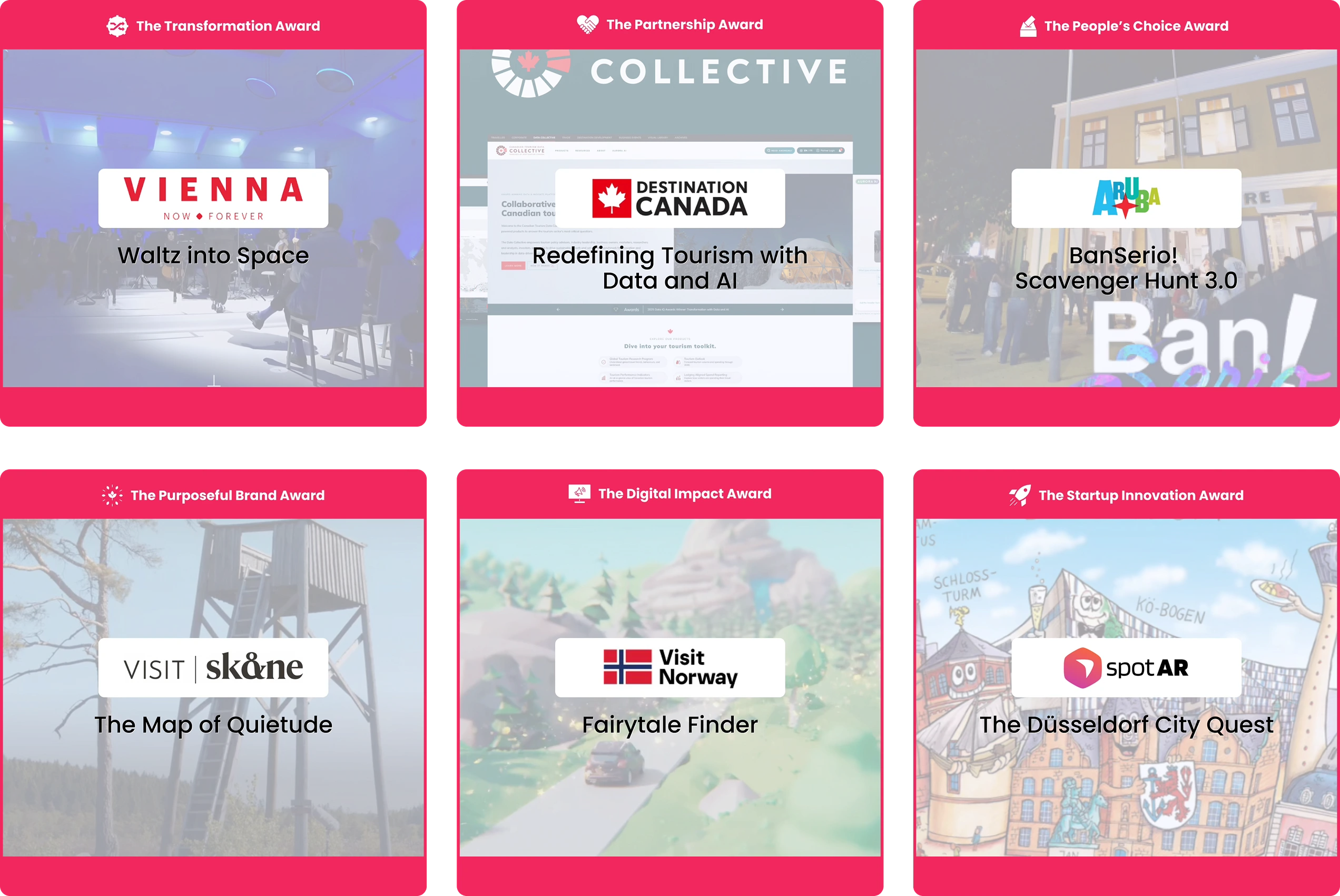
Recognising exceptional achievements across destination marketing and management, the DTTT's annual X. Awards took place alongside Future. Destination. Brand., showcasing the tourism sector's innovation and creativity. Across six awards, impactful data initiatives and technological experimentation were championed alongside truly inspiring marketing and branding campaigns.
Transformation Award: Vienna Tourist Board's 'Waltz into Space', a collaboration with the European Space Agency, perfectly exemplifies how nostalgia can be communicated from a modern and creative perspective, connecting technology with heritage. Inspired by Johann Strauss II's 200th birthday, the Wiener Symphoniker's performance of The Blue Danube Waltz was beamed into space, while the innovative SpaceNotes concept enabled 13,743 ambassadors worldwide to personalise their connection with Vienna by claiming a note of this "Anthem of Space".
Partnership Award: Destination Canada's 'Canadian Tourism Data Collective', uniting over 230 datasets and 34 billion rows of data, gives the country's tourism industry the necessary insights to work together to drive long-term competitive advantage. By building a shared data infrastructure that guides national coordination and investment decisions and leveraging the potential of generative AI, Destination Canada has transformed static datasets into interactive conversations that help marketers explore new ideas.
Purposeful Brand Award: Visit Skåne's 'The Map of Quietude' is a timely response to the growing concern about noise pollution, positioning quietness itself as a reason to visit Skåne. Following an acoustic survey of the region, areas with the least human-generated sound interference are given the spotlight they deserve, inspiring mindful and regenerative forms of travel. By connecting these places digitally, The Map of Quietude encourages visitors to discover Skåne more consciously and with respect for nature.
Digital Impact Award: Visit Norway's 'Fairytale Finder' recognises how gamification is increasingly being used as a strategic mechanism to shape visitor behaviour and strengthen destination affinity. Giving parents a tool to discover hidden gems while children are entertained through interactive games and challenges, the app stands out as a best practice for how it effectively balances practicality with experiential engagement.
Startup Innovation Award: spotAR's Düsseldorf City Quest demonstrates how destinations can improve engagement with urban heritage. This playful digital adventure encourages visitors to explore Düsseldorf’s landmarks by solving puzzles, collecting clues and uncovering local stories via their smartphone, all without the need to download an app. In enabling travellers to become active participants, cultural storytelling becomes an interactive and accessible experience for locals and tourists alike.
People's Choice Award: Aruba Tourism Authority's national awareness initiative — BanSerio! Scavenger Hunt 3.0 — invites families to rediscover the island through play and storytelling. Encouraging children and parents to complete missions together by answering questions and performing small challenges, the campaign inspires families to explore cultural landmarks, natural sites and overlooked heritage spaces, nurturing curiosity and pride in national identity.