

Log in
Oops! Something went wrong while submitting the form.
Create an account
Oops! Something went wrong while submitting the form.

Log in
Oops! Something went wrong while submitting the form.
Create an account
Oops! Something went wrong while submitting the form.

2025 Programme
Take a look at what we delivered in 2025 to get a taste of the calibre of content and connections you can expect at our future events.

Welcome Breakfast
|
No items found.

Welcome to F.D.B. 2025
|
%20(1).png)
Nick Hall
Founder & CEO
Digital Tourism Think Tank

Ireland's Shifting Brand Narrative: Slowing Down, Diving Deep
Keynote
|
Destinations are increasingly making strategic pivots that respond to emerging traveller psychographics that prioritise meaningful immersion. Slow travel narratives play a significant role in cultivating these deeper emotional connections. Maxine Hands, Head of Global Media and Digital at Tourism Ireland, will examine how the 'Ireland Unrushed’ campaign perfectly demonstrates this new approach that fundamentally challenges the old way of just promoting tourist attractions.
The session will explore how 'Ireland Unrushed' uses evocative language around simple pleasures and unhurried activities to create a new identity for the country. This positioning makes Ireland’s slower pace feel like a premium experience. Maxine will break down how Tourism Ireland translates this philosophical positioning into concrete marketing strategies that encourage extended exploration.
Attendees will discover how to develop effective campaigns that transform time from being a perceived barrier into a core value proposition. Maxine will reveal how the marketing approach emphasises experiential depth over breadth by avoiding the promotion of rigid itineraries. She will also highlight how the campaign leverages digital platforms and content partnerships to construct curated journey narratives that model slow travel behaviours.
This session will cover important practical questions, including finding the right balance between aspirational positioning and practical accessibility. Maxine will also share methods for keeping the campaign’s authentic nature, even when promoting it across diverse international markets.

Maxine Hands
Head of Global Media & Digital
Tourism Ireland

Helsinki Partners' Evolving Brand: How Cities are Evolving Beyond Tourism
Keynote
|
City branding often positions destinations through narrow lenses. Leena Lassila, Director of Visitor and Talent Attraction at Helsinki Partners, will examine how Finland's capital has evolved toward an integrated brand proposition that positions liveability and lifestyle as central competitive advantages.
Unpacking how the DMO serves multiple audience segments, the keynote examines the bold incentives and programmes Helsinki Partners has deployed to activate this integrated strategy. This demonstrates how qualities that attract talented professionals create equally compelling propositions for visitors seeking authentic experiences.
Through the communication of Helsinki's nuanced urban qualities, from urban design and relationship with nature to social trust and innovation culture, deeper destination resonance is created. Exploring the city's unified framework for addressing the three interconnected objectives of attracting visitors, talent and business investment through coherent narratives, Leena underscores how tourism becomes just one expression of broader urban appeal.
Evolving geopolitical dynamics, shifting demographic trends and technological transformation continue to reshape Helsinki's strategic approach. Attendees will gain actionable insights into how to develop consistent messaging to attract visitors, talent and investment.
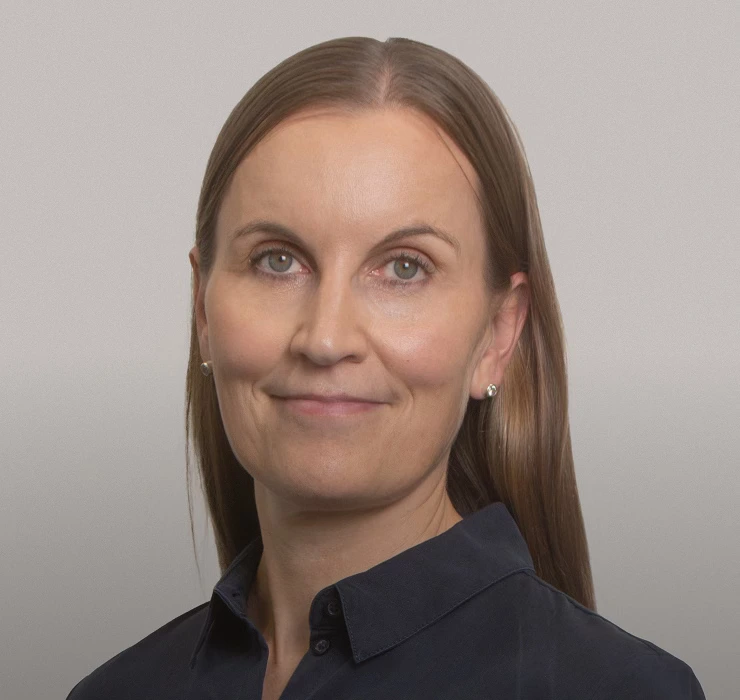
Leena Lassila
Director, Visitor and Talent Attraction
Helsinki Partners

Exploring New Perspectives: How Visit Portugal Balances Consistency with Nuance
Keynote
|
Destination brands face a persistent tension between maintaining a consistent identity and revealing fresh perspectives. Paula Ganhão, Project Manager at Visit Portugal, will examine how to navigate this strategic challenge through systematic development of niche content angles that reinforce core brand values.
Paula will outline how Visit Portugal develops complementary content angles that invite audiences into the destination's story by resonating deeply with their passions. In doing so, these different entry points create a destination narrative that captures attention through creative storytelling that feels fresh rather than formulaic.
Exploring how "Portugal's Unwritten Recipe” and "Portugal is Art" campaigns demonstrate an evolving content philosophy that prioritises inspirational storytelling and playful exploration, Paula will reveal how to simultaneously broaden destination appeal and deepen brand resonance.
Gain insights into how Visit Portugal identifies thematic lenses that draw attention to overlooked destination dimensions whilst maintaining an authentic connection to Portuguese identity. This approach provides space for creative risk-taking within strategic guardrails, empowering content development teams to pursue bold ideas whilst ensuring every campaign strengthens overall brand perception.
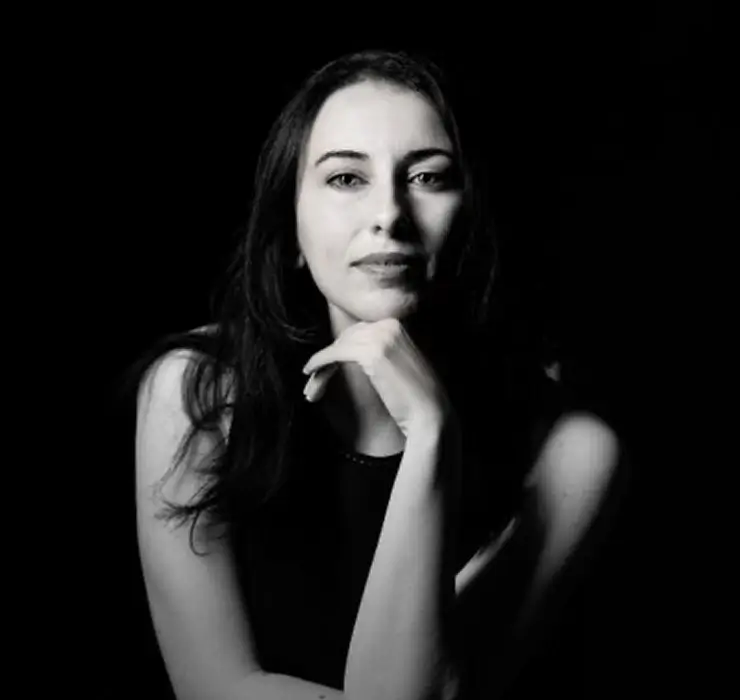
Paula Ganhão
Project Manager
Visit Portugal
Taking Risks with AI: Visit Benidorm's Experimental Approach
Keynote
|
Most destination marketers approach AI with caution when developing content. Antonio Sánchez, AI Executive & Content Creator at Visit Benidorm, will present a contrasting approach built on continuous experimentation and strategic risk-taking. Antonio explores how DMOs can balance authentic storytelling with the creative possibilities of generative tools, demonstrating why agility and willingness to experiment may deliver greater competitive advantage than waiting for perfect solutions in rapidly evolving technological landscapes.
Antonio will examine AI through dual strategic lenses, looking at both immediate workflow enhancement for faster, more creative content production and the long-term integration opportunity. The discussion challenges conventional assumptions about authenticity in destination marketing, exploring how experimental AI-generated content can effectively position destinations whilst maintaining brand integrity.
Through examination of Visit Benidorm's campaigns, Antonio demonstrates how AI enhances human creativity, revealing practical frameworks for maintaining creative control whilst leveraging AI capabilities. The session provides a broader strategic context by examining how robust data infrastructure informs effective AI implementation.
Attendees will gain insights into how to develop organisational cultures that embrace technological experimentation whilst managing inherent risks, understanding how to identify appropriate contexts for AI application. Through candid exploration of both successes and challenges, the session demonstrates practical approaches for destinations seeking to leverage AI strategically whilst maintaining authentic brand narratives and creative excellence.
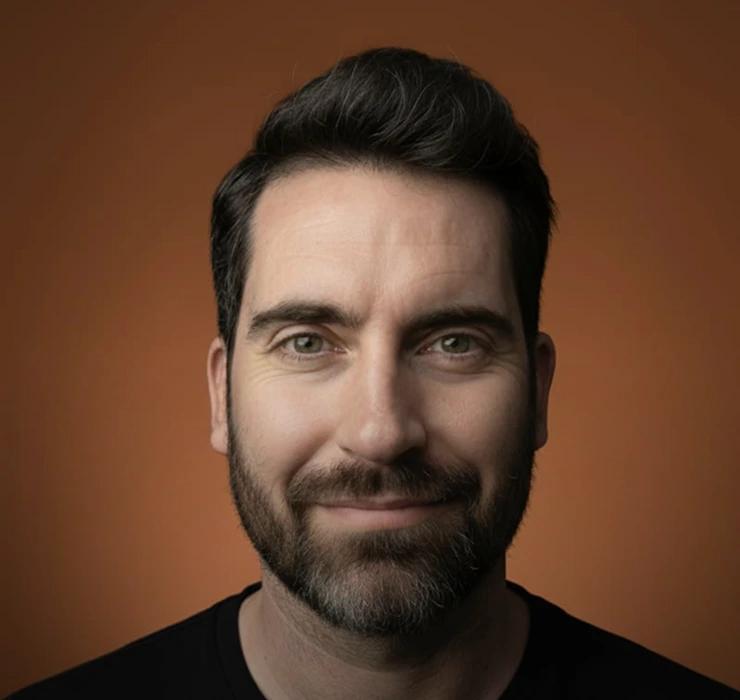
Antonio Sánchez
AI Executive & Content Creator
Visit Benidorm
Form, Function and Engagement: Visit Norway's Fairytale Finder
Keynote
|
Planning family trips needs a fresh approach that considers everyone in the group. This session focuses on how combining trip planning and immersive gamification represents an emerging opportunity. You'll hear from Jon Erik Skaret, Creative Lead, and Nina Mariann Øvergård, Project Manager, from Visit Norway, who will share the strategy behind the Fairytale Finder app.
Jon and Nina will examine Fairytale Finder's dual-functionality design, demonstrating how the platform enables parents to discover destinations, customise itineraries and seamlessly transfer planned routes straight to their car's GPS — all whilst providing their children with a parallel entertainment layer. This transforms a practical planning tool into an extensive family travel ecosystem that addresses the notorious "are we there yet?" phenomenon.
Through this session, attendees will explore how DMOs can leverage gamification as a strategic mechanism to shape visitor behaviour and create memorable family adventures that strengthen destination affinity. Jon and Nina will also delve into the creative methodology behind embedding Norwegian folklore into the gamification layer, illustrating how cultural storytelling can enhance destination authenticity.
Discover the secrets of how to develop integrated travel tools that balance practical utility with experiential engagement. This is poised to be an enlightening keynote on how destination apps play a vital role in creating value for international travellers and maintaining engagement across diverse age groups.
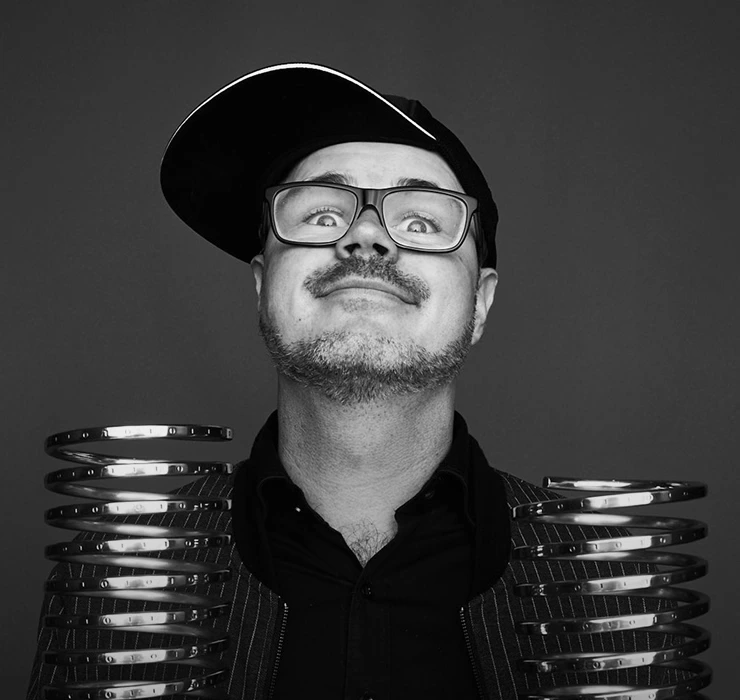
Jon Erik Skaret
Creative Lead
Visit Norway
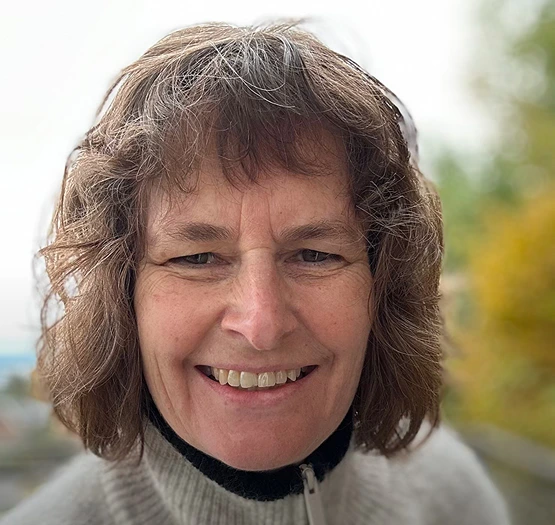
Nina Mariann Øvergård
Project Manager
Visit Norway

Lunch
|
No items found.

Engaging Tomorrow’s Visitors: Consumer Behaviour and Marketing Trends Shaping 2026
Panel
|
Understanding the implications of emerging trends requires examining both the cultural currents reshaping traveller motivations and the technological forces transforming how destinations reach audiences. Moderated by Zeynep Mutlu, Head of Advertising, Destination Partnerships at Skyscanner, the dynamic conversation features Nils Persson, Chief Marketing Officer at Visit Sweden, Claire Cadogan, Head of Digital Marketing at Fáilte Ireland, and Tanny Por, Head of International Relations at Visit Greenland, revealing what lies ahead for destination brands navigating rapidly shifting landscapes.
Discover how deeply personal passions now drive travel choices, using insights from Skyscanner's Horizons 2026 research. Nils will show how Visit Sweden's "The Swedish Prescription" campaign successfully positions the country’s natural environment as the ultimate wellness antidote, linking to major trends in beauty and personal wellness. Claire will share initial insights from Fáilte Ireland's AI assistant pilot for Winter in Dublin, demonstrating how intelligent recommendations create festival itineraries that genuinely bring families and friends closer together. Tanny will highlight how Visit Greenland's branding strategy prepares visitors for the unpredictability of climate change’s impact on the destination and the transformative impact it has on visitors.
Moving into the technological transformation of destination marketing, Zeynep, Nils, Claire and Tanny will address the rise of delegated discovery. With AI systems becoming the powerful gatekeepers that shape visitor decisions, we’ll explore why native integration is key to enabling natural and voice-enabled interactions.
Identifying the critical developments destination marketers must monitor throughout 2026, Zeynep, Nils, Claire and Tanny will discuss their perspectives on what the future holds. They will examine how evolving social media algorithms are fundamentally altering organic content distribution, the maturation of social commerce capabilities and discuss AI's impact on advertising conversion metrics.

Zeynep Mutlu
Head of Advertising - Destination Partnerships
Skyscanner

Nils Persson
Chief Marketing Officer
Visit Sweden

Claire Cadogan
Head of Digital Marketing
Fáilte Ireland

Tanny Por
Head of International Relations
Visit Greenland
Visit Dusseldorf’s Authentic Placemaking: The Unique Narrative of Little Tokyo
Keynote
|
How do destinations cultivate cultural districts that genuinely express community identity? Thorsten Schaar, Head of Content & Communications, and Franziska Sunderland, Deputy Head of Content & Communications, from Visit Düsseldorf reveal how the city positions Germany's most compact Japanese community as a central brand differentiator to attract visitors from neighbouring countries.
Little Tokyo's marketing success rests on the unwavering principle that no action proceeds without community input. Thorsten and Franziska will outline the trust-building approach that enabled partnerships between German and Tokyo-based creative professionals to be developed, obtaining authentic stories, imagery and cultural insights that inform all campaigns.
Little Tokyo's positioning as a "secret" known to cultural insiders creates particular resonance, focusing on how destinations can leverage authentic cultural narratives to generate both immediate impact and sustained brand differentiation. Thorsten and Franziska will spotlight Visit Düsseldorf's nationwide collaboration with Deutsche Bahn, award-winning creative content featuring community voices, open-air exhibitions and major cultural festivals.
Find out the strategic implications of ceding creative control to ensure authenticity and long-term brand equity, raising fundamental questions about destination governance and brand development in multicultural urban contexts. The session examines how this approach reshapes traditional destination management organisation roles from content creators to community facilitators.
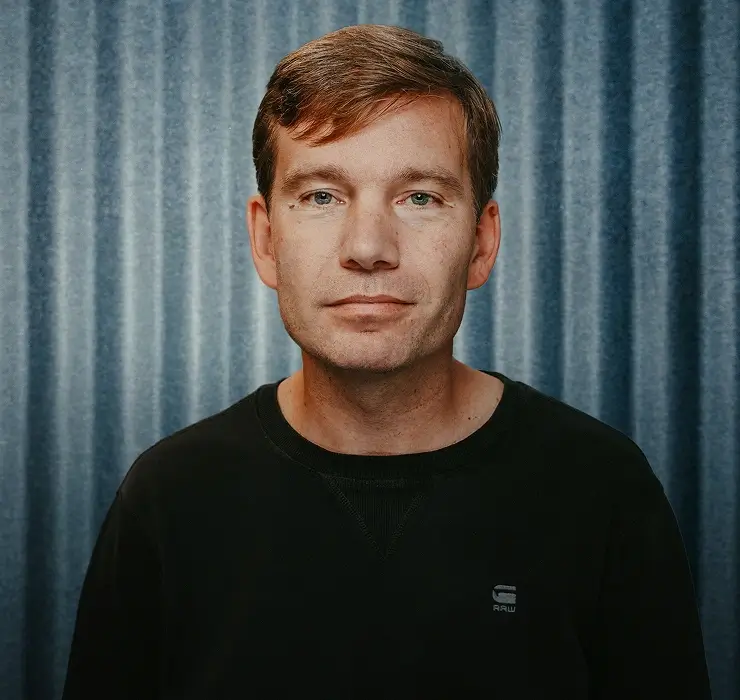
Thorsten Schaar
Head of Content & Communications
Visit Düsseldorf
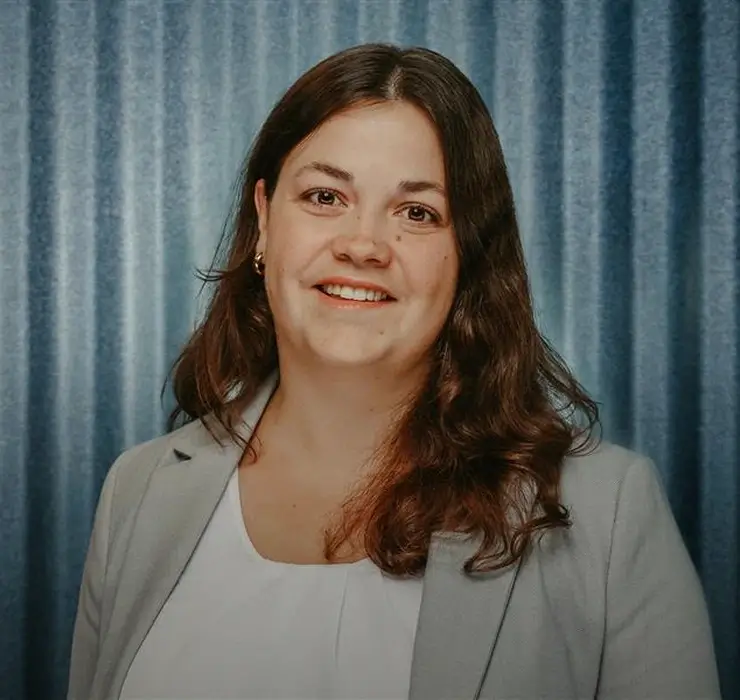
Franziska Sunderland
Deputy Head of Content & Communications
Visit Düsseldorf

The Rural Advantage: Exploring Rural Tourism’s Untapped Economic Potential
Keynote
|
Europe's rural destinations represent a massive untapped economic opportunity that most destination brands are systematically undervaluing. New research from the Digital Tourism Think Tank and Airbnb reveals rural tourism's remarkable performance across key metrics - challenging conventional assumptions about where tourism's real economic power lies.
Five powerful emerging trends are accelerating demand toward rural experiences: passion tourism, digital detox seekers, conservation experiences, cultural heritage tourism and climate-conscious microcations. Meanwhile, technology is democratising access - AI-driven discovery, platform ecosystems and digital tools are enabling rural micro-entrepreneurs to compete globally for the first time.
For destination brands facing overtourism, seasonality challenges and sustainability pressures, this convergence of trends and technology creates a transformative opportunity. How can DMOs strategically reposition towards regional experiences? What does evidence-based rural development look like when properly resourced and supported?
Join Nick Hall as he unveils the research findings for the first time, then explore the strategic and policy implications with Derek Nolan, Head of Public Policy - Ireland & the Nordics at Airbnb, as they discuss how destination brands can capture this rural advantage.
Nick Hall
Founder & CEO
Digital Tourism Think Tank
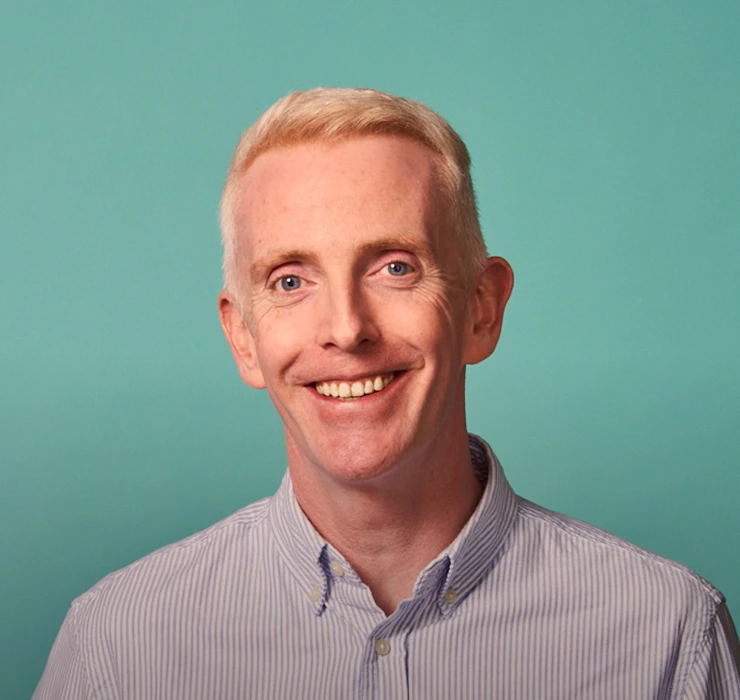
Derek Nolan
Head of Public Policy, Ireland & the Nordics
Airbnb
Coffee Break
|
No items found.
Visit Faroe Islands: The Art of Taking it Slow, While Vibing with the Algorithm
Keynote
|
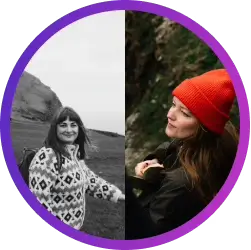
In a world where algorithms decide what we see and travel content starts to look the same, how can smaller destinations stay visible without losing their edge? Marta Káradóttir, Content and Communications Manager, and Olivia Døgg Fríðfinsdóttir, Digital Marketing Assistant, from Visit Faroe Islands will share how a small team from a small place learned to work with the algorithm — without letting it run the show.
They’ll unpack how slow, deliberate content and earned storytelling can create impact that doesn't fade with the feed. Guided by the HOME strategy, a national, bottom-up approach built on community voices, they'll demonstrate how regenerative thinking shapes content and collaboration decisions.
From the Self-Navigating Cars campaign which turned a tourism challenge into a global conversation, to the Faroencers - a new kind of influencer where locals shape the narrative - this is a look at how creativity, culture and a few good briefs can outperform speed and scale.
Expect a candid take on what’s worked, what hasn’t and what happens when you prioritise depth over fast paced content.
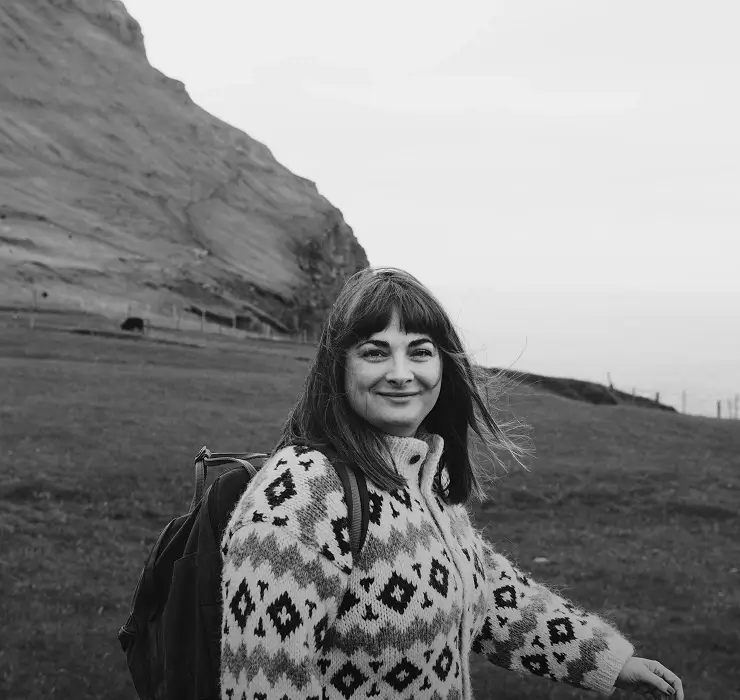
Olivia Døgg Fríðfinssdóttir
Digital Marketing Assistant
Visit Faroe Islands
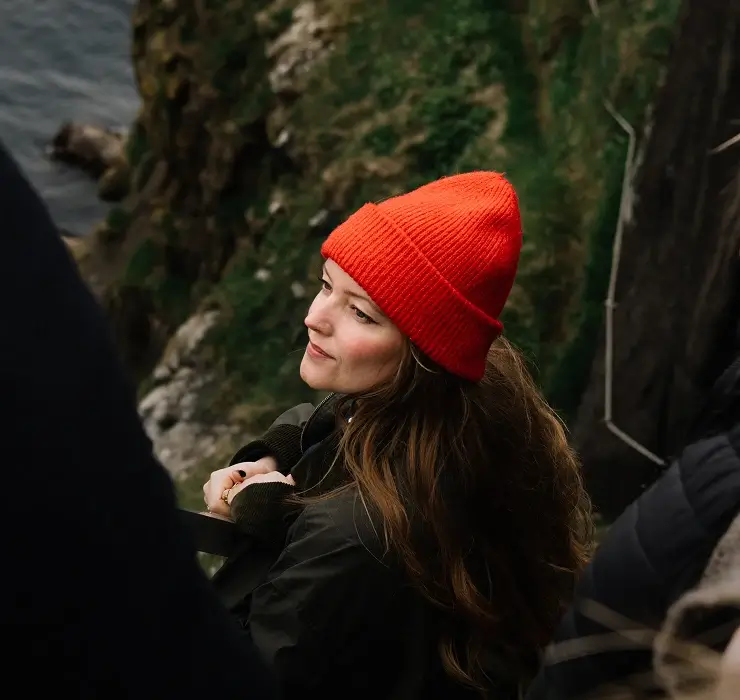
Marta Káradóttir
Content & Communications Manager
Visit Faroe Islands
State of Destination Marketing: From Vanity Metrics to Shared Digital Accountability
Panel
|
The State of Destination Marketing 2025 revealed that 54% of DMOs identify demonstrating Return on Investment as their primary challenge. This fireside chat featuring Luca Romozzi, Commercial Director, Europe at Sojern, examines why the traditional digital metrics of clicks and impressions are misaligned with organisational objectives, including bookings and visitor spending.
Digital co-op campaigns offer powerful solutions when structured with transparent, end-to-end measurement frameworks that satisfy both economic impact requirements and booking attribution needs. Luca will explore practical approaches enabling DMOs to establish shared metrics bridging these traditionally competing priorities through unified accountability systems.
The discussion will address how emerging attribution approaches connect upper-funnel destination marketing to lower-funnel conversions, integrated tracking across visitor journeys and governance structures ensuring measurement informs strategic decision-making and maintains stakeholder confidence.
Beyond measurement, Luca will explain how robust Return on Investment frameworks enable destinations to construct marketing strategies balancing visitor satisfaction, economic growth and local wellbeing. Attendees will gain insights for building accountability systems that support holistic destination management objectives and how data enables always-on campaign optimisation to drive sustainable tourism development.
Nick Hall
Founder & CEO
Digital Tourism Think Tank
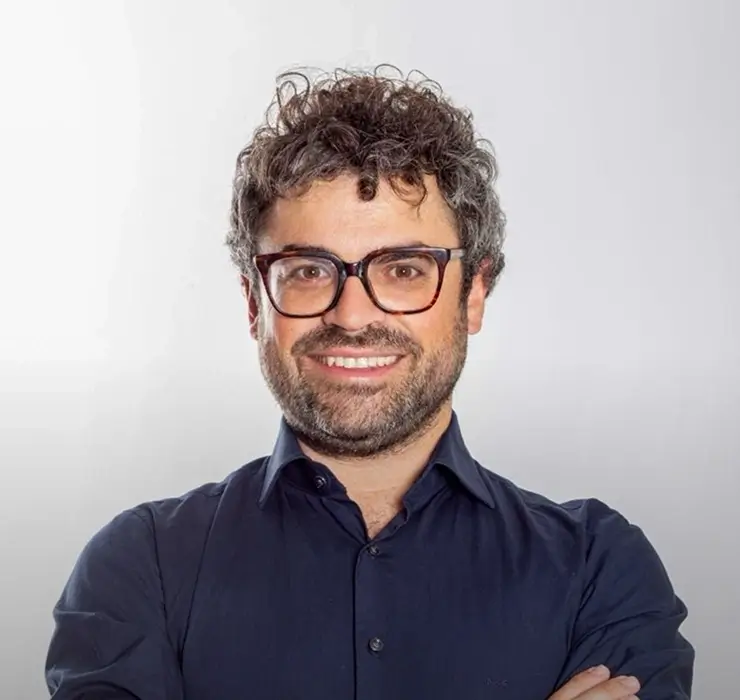
Luca Romozzi
Commercial Director, Europe
Sojern
Iceland’s Brand Evolution: Building a Multi-Faceted Destination Brand
Keynote
|
What can destinations learn from examining the relationship between marketing investment and strategic control over visitor flows? Sveinn Birkir Björnsson, Senior Advisor at Business Iceland, will present insights from Iceland's distinctive approach to destination promotion. Through an opening keynote, Sveinn explores Business Iceland's three-fold mandate combining destination marketing, trade promotion and investment attraction and how this unified approach enables coherent brand narratives across typically fragmented functions.
Formed in 2010 by uniting previously disparate offices, Business Iceland offers powerful lessons in brand governance and message coherence. Business Iceland's first major project, “Inspired by Iceland”, has evolved into a comprehensive export brand for the country, revealing practical approaches for constructing brand narratives grounded in genuine economic strengths. Sveinn will examine how this integration enables destination narratives to align with broader economic positioning around innovation, renewable energy and sustainability.
During a fireside chat, Sveinn will examine the results of a compelling experiment where the DMO didn’t invest in marketing for three years. The discussion will provide valuable insights into the relationship between promotional activity and seasonality management. Sveinn will analyse why this matters beyond visitor volume metrics, addressing how marketing continuity enables destinations to retain strategic control over growth management.
This session tackles the tough question all DMOs face of how to prove marketing remains essential in the face of seasonal overcrowding and tight budgets. Sveinn will explore the conflict between short-term financial decisions and long-term strategic positioning. Attendees will gain insights into how destination marketing plays a key role in year-round economic optimisation for supporting the wider tourism industry.

Sveinn Birkir Björnsson
Senior Advisor
Business Iceland

Thanks for Joining!
|
Nick Hall
Founder & CEO
Digital Tourism Think Tank


