
Log in
Oops! Something went wrong while submitting the form.
Create an account
Oops! Something went wrong while submitting the form.


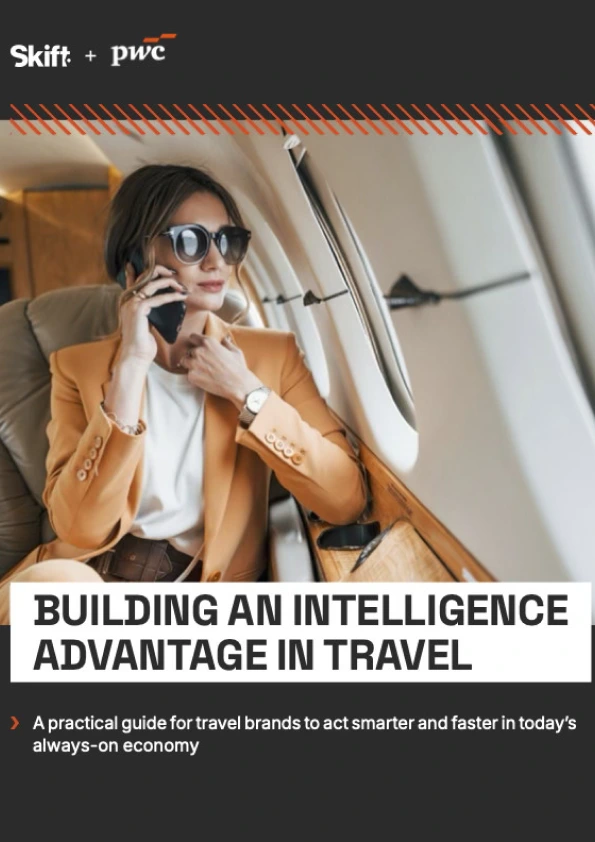
The pace of travel today mirrors the pace of life — relentless, reactive and deeply human. An influencer’s viral post can reroute demand to a new destination overnight. A small delay can ripple across continents. A new AI-enabled platform can reset what travellers expect by next quarter. In this kinetic landscape, the question isn’t whether change will come; it’s whether your organisation can think, decide and act as quickly as your customers do.
What’s shifting isn’t just where people go, but how they decide. Consumers’ desires are being reshaped in real time by culture, technology and emotion. Expectations no longer follow business cycles; they follow moments. That means leaders can’t rely on static strategies to meet dynamic needs.
At PwC, we see this as both a disruptive force and an extraordinary opportunity. To keep pace with travellers who move at the speed of culture, brands should build their intelligence advantage — systems that learn continuously, teams empowered to act with empathy and speed, and operations designed for constant adaptation.
This guide, developed with Skift, offers a practical path forward: how to redefine premium through purpose, personalise loyalty as a living relationship, and orchestrate technology with a human touch. The future of travel belongs to those who move smarter — and stay curious enough to never stop learning from their customers.
The pace of travel today mirrors the pace of life — relentless, reactive and deeply human. An influencer’s viral post can reroute demand to a new destination overnight. A small delay can ripple across continents. A new AI-enabled platform can reset what travellers expect by next quarter. In this kinetic landscape, the question isn’t whether change will come; it’s whether your organisation can think, decide and act as quickly as your customers do.
What’s shifting isn’t just where people go, but how they decide. Consumers’ desires are being reshaped in real time by culture, technology and emotion. Expectations no longer follow business cycles; they follow moments. That means leaders can’t rely on static strategies to meet dynamic needs.
At PwC, we see this as both a disruptive force and an extraordinary opportunity. To keep pace with travellers who move at the speed of culture, brands should build their intelligence advantage — systems that learn continuously, teams empowered to act with empathy and speed, and operations designed for constant adaptation.
This guide, developed with Skift, offers a practical path forward: how to redefine premium through purpose, personalise loyalty as a living relationship, and orchestrate technology with a human touch. The future of travel belongs to those who move smarter — and stay curious enough to never stop learning from their customers.


