Music Tourism: How DMOs Are Leveraging Sound to Shape Destination Identity
Music tourism is projected to reach $260 billion by 2030. DMOs are leveraging musical heritage, creating music-first content and hosting festivals to attract travellers while supporting local communities.
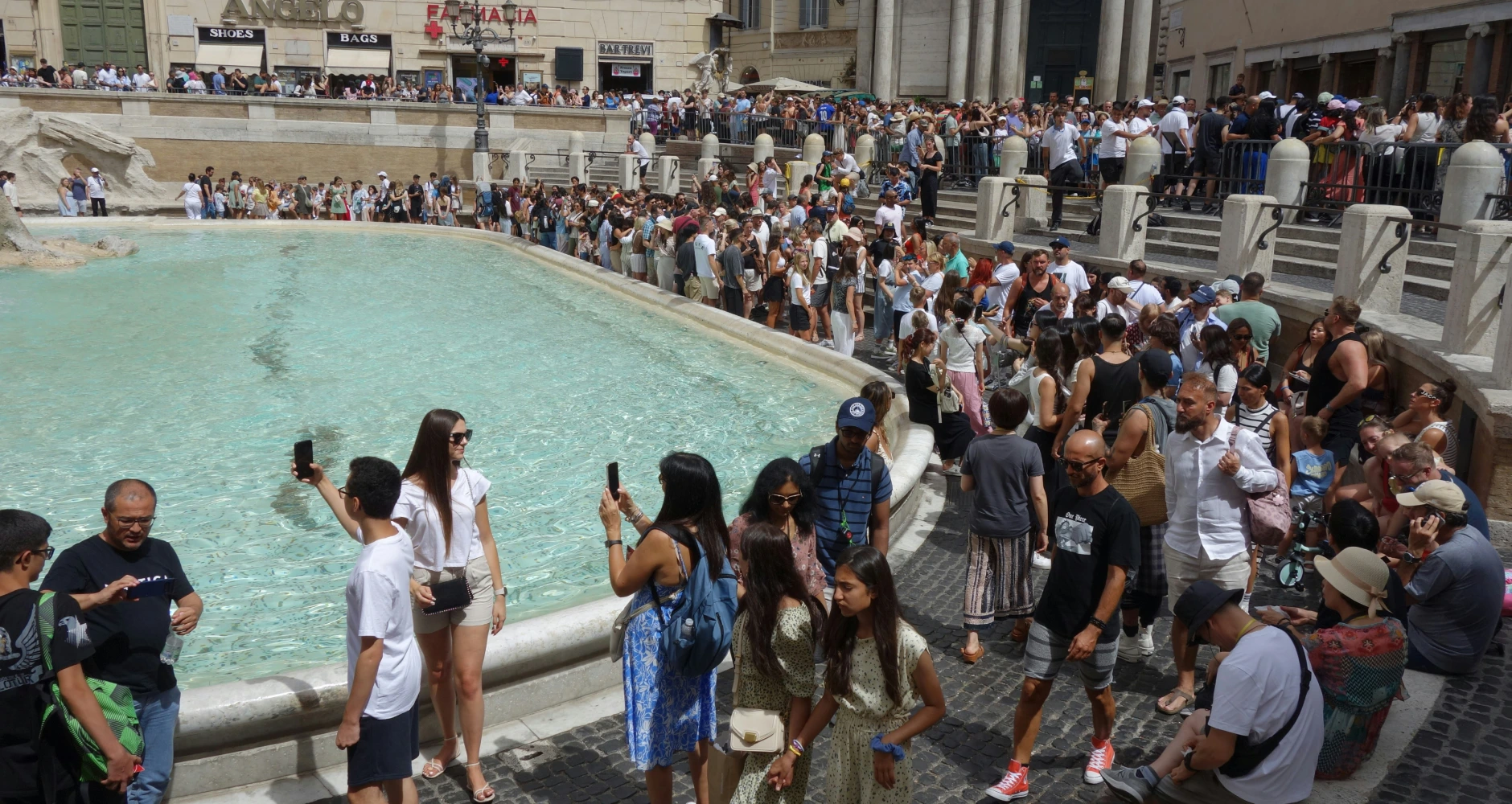
Based on growing interest in cultural and entertainment-led travel, music tourism is emerging as a significant trend for attracting experience seekers. Its rising appeal is linked to the impact of technology and social media, which have transformed how people engage with music and discover new destinations. According to an analysis in IQ Magazine, music and festival tourism is projected to reach over $260 billion by 2030, demonstrating how music today is a powerful driver of international mobilisation of people, creativity and economy.
For DMOs, music offers a versatile strategic tool. It can serve as the primary attraction through festivals and heritage sites, enhance existing tourism products through curated experiences and programming or shape a destination's overall identity and atmosphere. The most effective DMO campaigns often blend these approaches, using music as both a destination differentiator and a vehicle for deeper cultural storytelling. Destinations worldwide are responding to this opportunity through immersive experiences, strategic partnerships and targeted investments in digital innovation.
Reimagining Musical Heritage for Contemporary Audiences
One of the most established approaches to music tourism involves building campaigns around iconic musical figures associated with a destination. A strong case for this is the Vienna Tourist Board, demonstrating how musical heritage can be used to appeal to experience seekers through digital innovation and thematic storytelling. Marking the 200th birthday of Johann Strauss, their 2025 thematic campaign celebrated Vienna’s identity as the world capital of music. Under the slogan “King of Waltz. Queen of Music”, Strauss was positioned as a central figure in the city’s musical legacy, while Vienna itself took the spotlight as a living stage for music lovers.
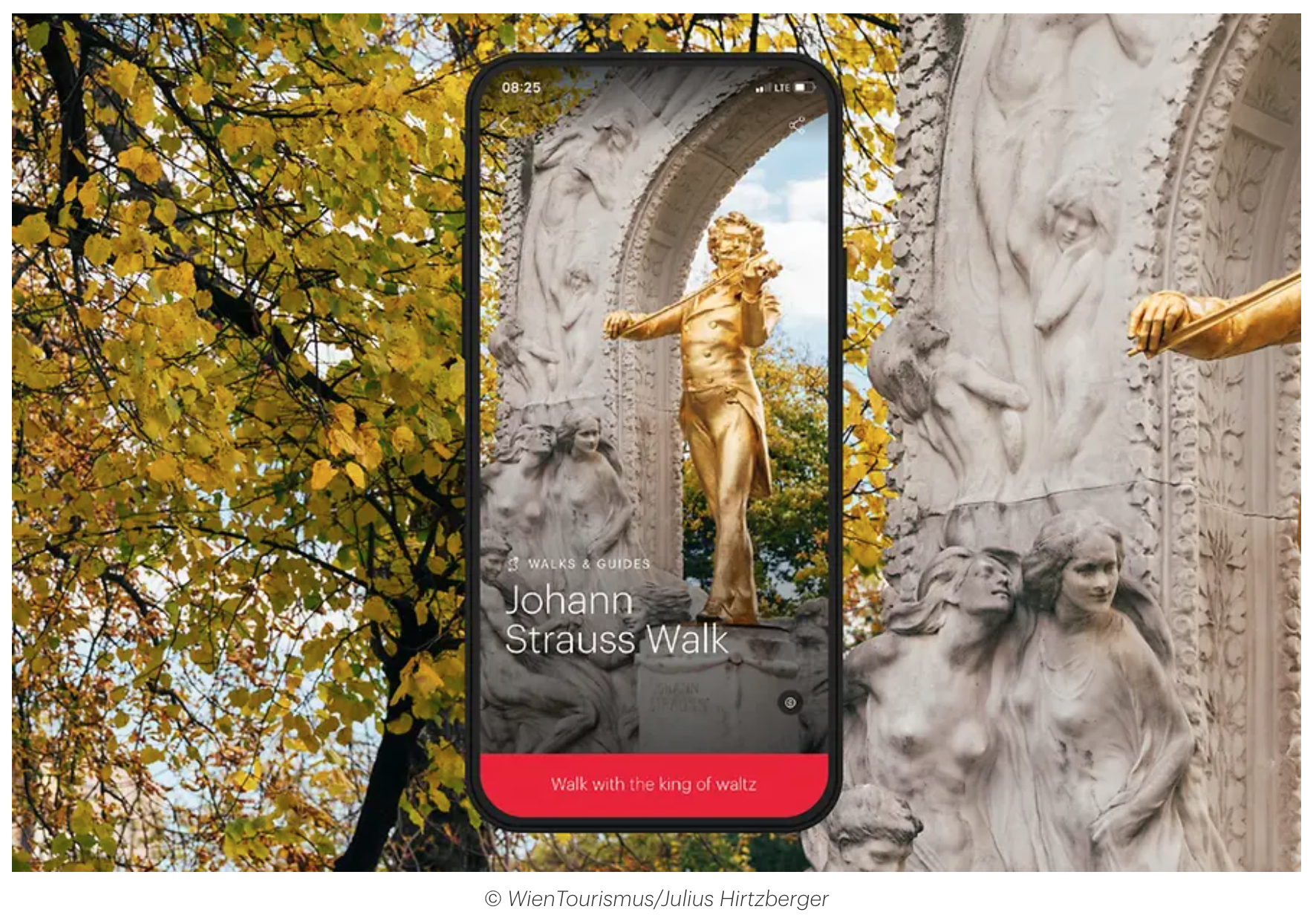
Visitors were invited to engage with themed itineraries that explored Vienna’s musical past and present. These included opportunities to trace Strauss’ influence on musical culture through immersive experiences available on the city’s mobile guide, Ivie, making digital innovation central to the campaign. Ivie provided visitors with a dedicated Strauss audio walk, a journey through 11 key locations that reveal the life and legacy of the composer through storytelling and sound.
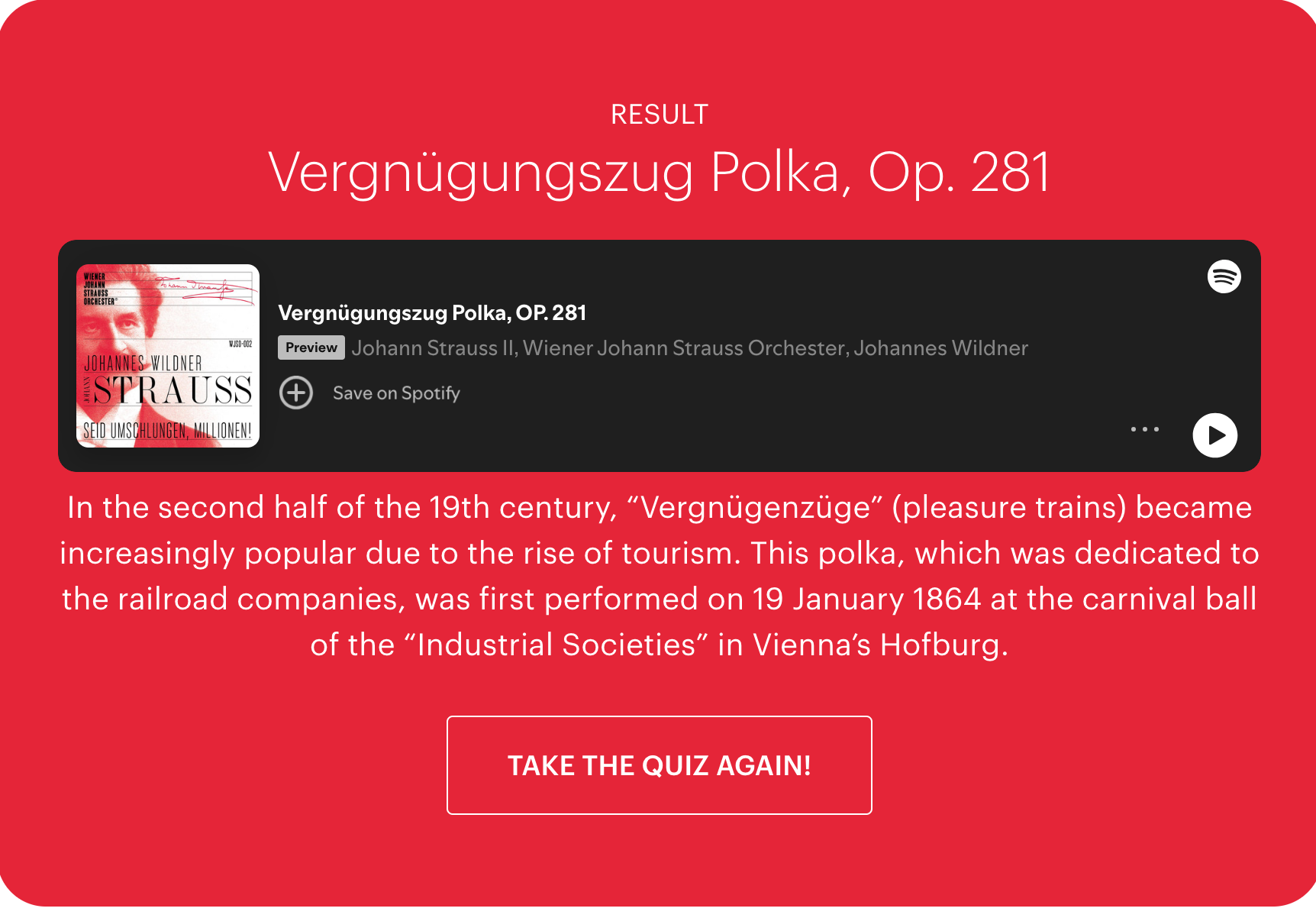
This cultural exploration was extended through interactive elements on the DMO’s website, such as a playful music quiz that helped users find their perfect Strauss soundtrack for their Viennese trip, accompanied by a themed Spotify playlist.
The campaign also featured a viral moment with Waltz into Space, a creative twist on cultural storytelling that included a hero video exploring why The Blue Danube Waltz was left off the Voyager Golden Records - when NASA sent a compilation of humanity’s greatest music into space in 1977 as a message for potential extraterrestrial life. The video drew over 20 million views.
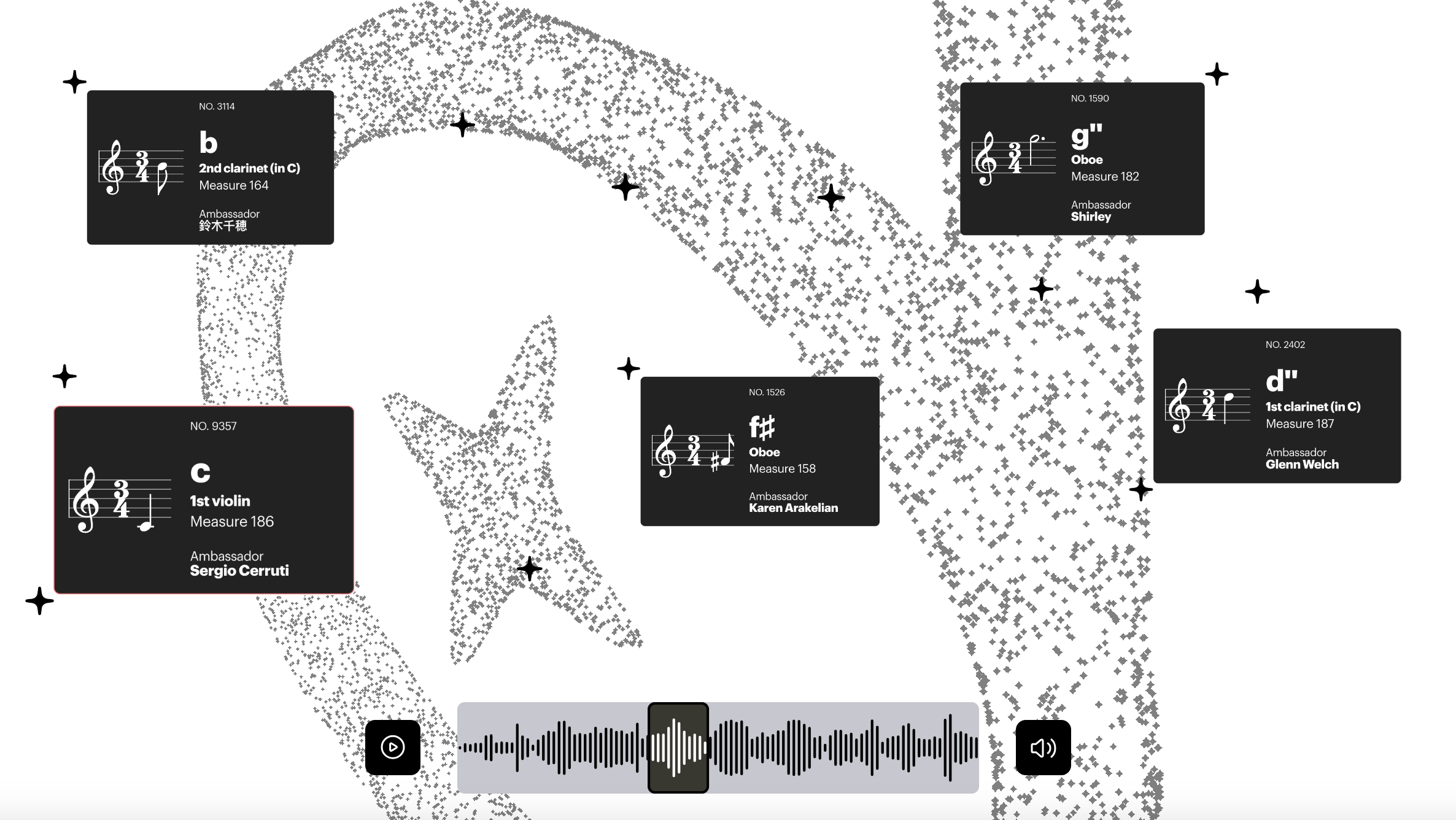
Building upon the launch video, the campaign embodied an innovative approach to cultural storytelling that leveraged various digital components designed to be highly interactive. Central to this was the “SpaceNote ambassadors” programme, through which individual musical notes from The Blue Danube Waltz were allocated to participants, with 13,743 SpaceNote ambassadors from around the world each claiming ownership of a specific note from the composition. On 31 May 2025, The Blue Danube was successfully broadcast into space with the help of the European Space Agency and the Wiener Symphoniker Orchestra.
This approach provides a compelling model for other DMOs seeking to build strategies around musical icons. It shows how cultural figures can be reimagined for a global audience through engaging content, digital storytelling and partnerships. By combining strong content alignment with a clear sense of destination identity, the Vienna Tourist Board showcases a blueprint for how destinations can elevate music into a central pillar of their tourism promotion strategy.
The long-term value of heritage music positioning is well established. Liverpool generates approximately £100 million annually from an estimated 600,000 dedicated Beatles visitors, supporting 2,500 jobs. The city’s 2015 designation as a UNESCO City of Music solidified what visitors already knew: this was a place where musical history could be felt deeply. The UNESCO Creative Cities of Music Network now includes 75 cities globally, from Seville (2006, the first, built on Flamenco heritage) to Montreal (2023, capitalising on its legendary jazz festival), providing formal recognition that destinations can incorporate into their marketing positioning.
Creating Music-First Content That Travels
An emerging strategy sees DMOs treating music as the primary creative vehicle for destination content, inverting conventional tourism advertising logic. Rather than showcasing famous landmarks with explanatory narration, this approach focuses on music and performance, allowing viewers to feel a destination’s energy.
The Korea Tourism Organisation’s “Feel the Rhythm of Korea” campaign, launched in July 2020, offers a compelling example of how music-first content can break through the noise of destination marketing. The first Seoul video featured Pansori-Pop band Leenalchi and the Ambiguous Dance Company, blending traditional Korean musical storytelling with energetic choreography filmed at tourist sites as locals passed by in the background. Instead of explaining Korea through narration and landmark shots, the campaign let viewers to experience the destination through rhythm and movement.
The approach resonated globally, with Season 1 accumulating 566 million views across Youtube and Facebook. Season 2 (2021-2022) expanded the concept by partnering with hip-hop label AOMG and H1GHR Music to produce soundtracks blending K-Hip Hop with traditional folk songs, including the UNESCO-listed “Arirang”. Building on this momentum, the October 2022 BTS mini-series featured songs personally selected by members Suga and Jimin for four Korean Cities, reaching 490 million cumulative views and exceeding its target by over 56%. The campaign showed how music-first content could tap into existing K-Culture fascination, from K-Pop to K-Drama, and channel it toward genuine tourism intention.
Singapore Tourism Board (STB) has embraced music video partnerships as a way to reach global audiences through content they actively seek out. In 2022, STB collaborated with American singer-songwriter Billie Eilish, filming her music video at Gardens by the Bay to position Singapore as a City in Nature. This approach reached new heights with STB’s partnership with Coldplay for the “Man in the moon” music video, filmed during the band’s January 2024 Singapore concerts.
The video captures Coldplay performing on a custom floating stage at Marina Bay, but what makes it distinctive is its deliberate balance between the iconic and the everyday. Alongside the gleaming Marina Bay Sands skyline, viewers encounter traditional coffee shops and heritage districts. This pairing of glamour with heartland authenticity was a conscious creative choice, the production employed over 100 local talents. Within one week of release, the video and social posts achieved 12 million views and nearly 500,000 social interactions, with Rolling Stone Australia describing it as “a love letter to Singapore”.
These partnerships illustrate how music videos can function as evergreen destination content, reaching millions who might never encounter traditional tourism advertising. The impact of music video tourism also extends beyond DMO-commissioned projects. Justin Bieber’s “I’ll Show You”, filmed at Iceland’s Fjaðrárgljúfur canyon, increased foot traffic by 50-80% between 2016 and 2018, eventually requiring temporary closure due to overtourism. This organic effect suggests DMOs should monitor cultural content featuring their destinations and consider how to amplify its reach.
Hosting Global Tours as Destination Strategy
Beyond content partnerships, some destinations are actively competing to host major global tours, treating concerts as strategic investments that can deliver measurable economic returns while positioning themselves as entertainment destinations.
Singapore’s Tourism Board made headlines in 2024 by securing Taylor Swift’s Eras Tour as an exclusive Southeast Asian engagement. The arrangement, funded through STB’s Tourism Development Fund to promoter AEG Presents Asia, resulted in six sold-out National Stadium shows in March 2024 with over 300,000 tickets sold. The regional draw was significant: 70% of concertgoers came from overseas, primarily Malaysia, Indonesia, the Philippines and Thailand, while Changi Airport recorded a 20% increase in arrivals during concert week. Hotel search interest on Agoda spiked 160 times above normal after tickets went on sale.
Marina Bay Sands, the official presenting sponsor, extended the experience beyond the stadium by creating “The Eras Tour Trail” with seven Instagram-ready installations representing Swift’s musical eras, while their façade glowed in concert pastel hues nightly. The strategy sparked regional debate about competitive concert bidding, but demonstrated how exclusive entertainment partnerships can drive visitor numbers and reinforce a destination’s position as a regional entertainment hub.
Other destinations hosting the Eras Tour took different approaches. In Stockholm, which hosted the only three Northern Europe dates in May 2024, Stockholm Business Region coordinated a city-wide response under the concept of "Swiftholm", bringing together organisers, the tourism industry and the city to create collective activities for visiting fans. Around 151,000 concertgoers arrived from 130 countries, spending nearly one billion kronor during their stay. In Lisbon, where Taylor Swift performed her first-ever Portuguese concerts at Estádio da Luz in May 2024, Visit Lisboa supported the moment with dedicated promotional pages and practical visitor information, demonstrating effective coordination between national and regional DMO efforts.
Portugal has also treated major concert hosting as infrastructure investment that delivers long-term capacity benefits beyond immediate visitor attraction. For Coldplay’s four nights in Coimbra (2023), which generated €36 million in direct economic return, the city’s tourism authorities coordinated with promoter Everything Is New, who contributed €545,000 to stadium renovations, creating lasting capacity for future events.
Building Festival Ecosystems
Music festivals represent one of the most influential segments of music tourism, with research showing they can generate substantial economic impact for host destinations. A strong example of this is Visit Portugal’s latest campaign, “Portugal Music Festivals - Headliners”, illustrating how DMOs can reframe their entire destination as a musical festival experience through strategic content positioning.
Visit Portugal’s communication strategy repositions traditional destinations' strengths through a musical lens, presenting the country as a year-round music venue where natural and cultural experiences serve as performance stages. The coast becomes a backdrop for sunset performances, heritage sites transform into concert venues and regional diversity represents the variety found across musical genres and festival experiences. This approach creates a cohesive narrative where visitors can picture the entire country as an immersive space for musical culture and experiences.
Flagship events anchor this positioning and deliver substantial economic returns. Rock in Rio Lisbon has established itself as one of the major ambassadors for Lisbon and Portugal worldwide, its 20th anniversary edition attracted 300,000 visitors from 106 countries and generated €120 million in economic impact according to Nova SBE research, representing €11.8 million in tax revenue and boosting the tourism, accommodation, catering and transport sectors. NOS Alive, consistently rated among the world’s best festivals by The Guardian and Rolling Stone, draws 165,000 attendees annually with 20% from international markets.
Portugal’s strategy explicitly positions music tourism as a sustainable solution, using festivals and events as tools to disperse tourism across the territory and support local economies beyond Lisbon and Porto. This regional approach extends to how Portugal integrates its musical heritage into the broader festival positioning.
The strategy builds upon Portugal’s musical heritage. Fado, recognised by UNESCO as Intangible Cultural Heritage, is a melancholic Portuguese musical genre featuring soulful singing often used to express heartbreak and daily hardship. The Fado provides authentic cultural grounding for broader musical positioning, with Visit Portugal integrating it into their wider musical narrative through dedicated spaces like Museu do Fado, which has evolved from a traditional museum into heritage infrastructure connecting tourists with the living Fado community. NOS Alive introduced a dedicated Fado stage in 2016, bridging traditional Portuguese music with contemporary festival programming, a model for destinations seeking to connect heritage with contemporary appeal.
Visit Portugal’s approach demonstrates how music tourism can scale beyond individual attractions or events, by positioning natural landscapes, cultural sites and regional characteristics as components of a national musical experience, the destination creates multiple entry points for engagement while maintaining cultural authenticity. This model provides a framework for DMOs seeking to develop comprehensive musical identities that extend across an entire destination.
Embedding Music Into Destination Identity
Some destinations have music central to their entire brand identity, creating comprehensive ecosystems where musical experiences permeate every aspect of the visitor journey, from initial brand engagement through in-destination experience.
Visit Nashville exemplifies this approach through its comprehensive Music City identity. The DMO’s “There’s More than One Way to Play Music City” hero campaign shows how destinations can integrate musical elements throughout the entire visitor experience, from culinary events to in-destination experiences. This integrated strategy extends beyond traditional marketing materials to encompass social media presence, branded newsletters and curated hub content highlighting live music events, venues and local musicians. Nashville’s decades-long “Music City” branding has delivered 69 consecutive months of hotel room growth and 13.5 million annual visitors, with the destination marketing itself as “the Silicon Valley of the music business”.
Visit Austin demonstrates a similar approach through “The Sound of Austin” hero video, which conveys the city’s inspiring musical scene. The destination positions itself as the “Live Music Capital of the World” and emphasises local artists through their Music Office, which plays a crucial role in marketing local music to travellers and ensuring visitors experience Austin’s vibrant music culture. Music is deeply embedded in Austin’s identity and positioned as what makes the destination distinctive. The DMO supports this positioning through comprehensive content covering the music scene, best venues, live music options and an interactive map for finding venues.
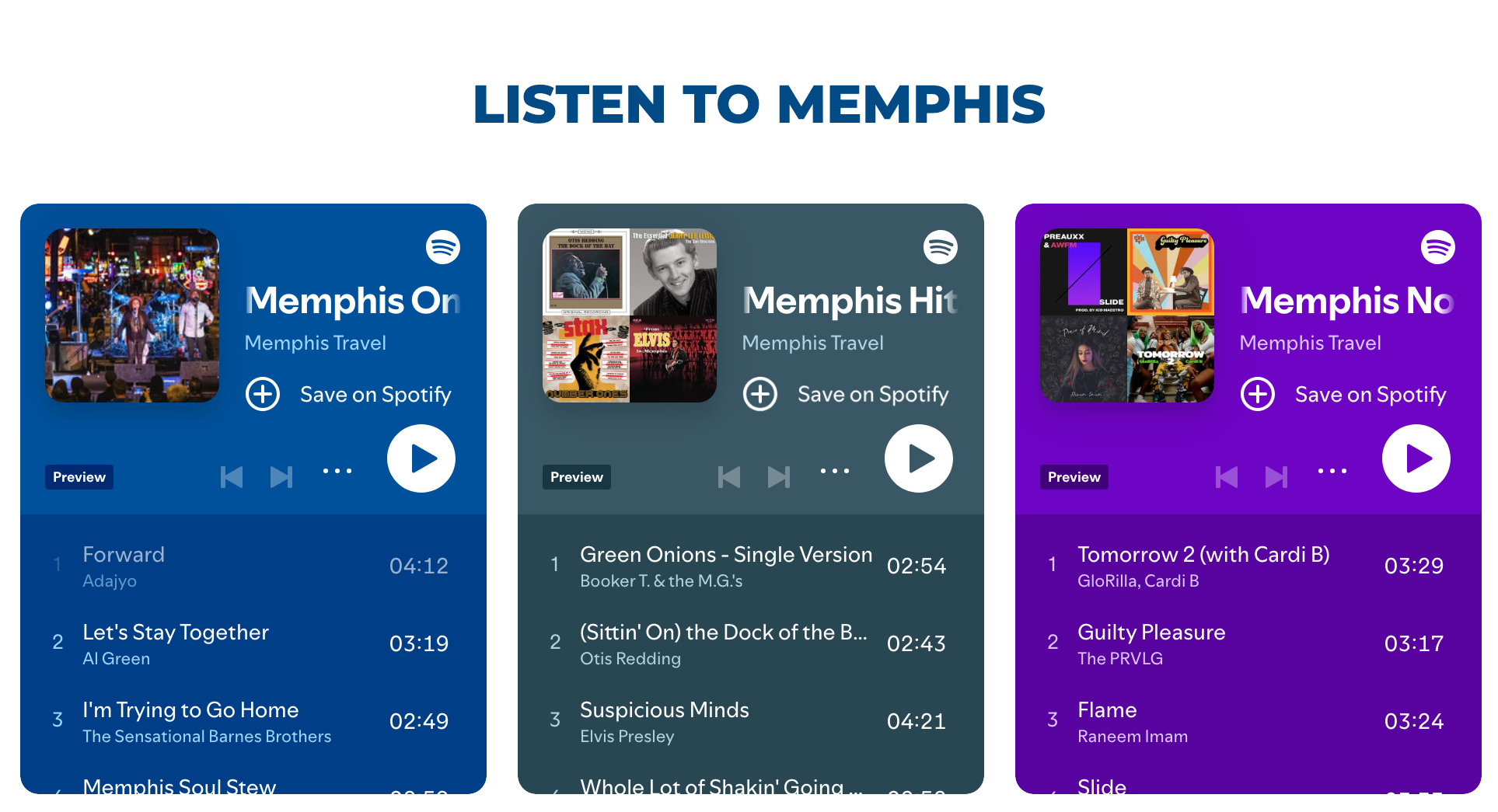
Memphis Tourism showcases how destinations can combine musical icon heritage with contemporary live music positioning. They have created curated playlists on Spotify and a music quiz for visitors to discover their “Memphis music vibe”, which inspires travellers to visit venues and get immersed in Memphis’s live music scene. The Elvis Presley’s Memphis entertainment complex packages the city’s musical heritage into an immersive destination attraction, offering a collection of museums, exhibits and restaurants. The experience includes ten immersive activities using virtual and augmented reality, demonstrating how destinations can layer digital innovation to enhance authentic musical heritage.
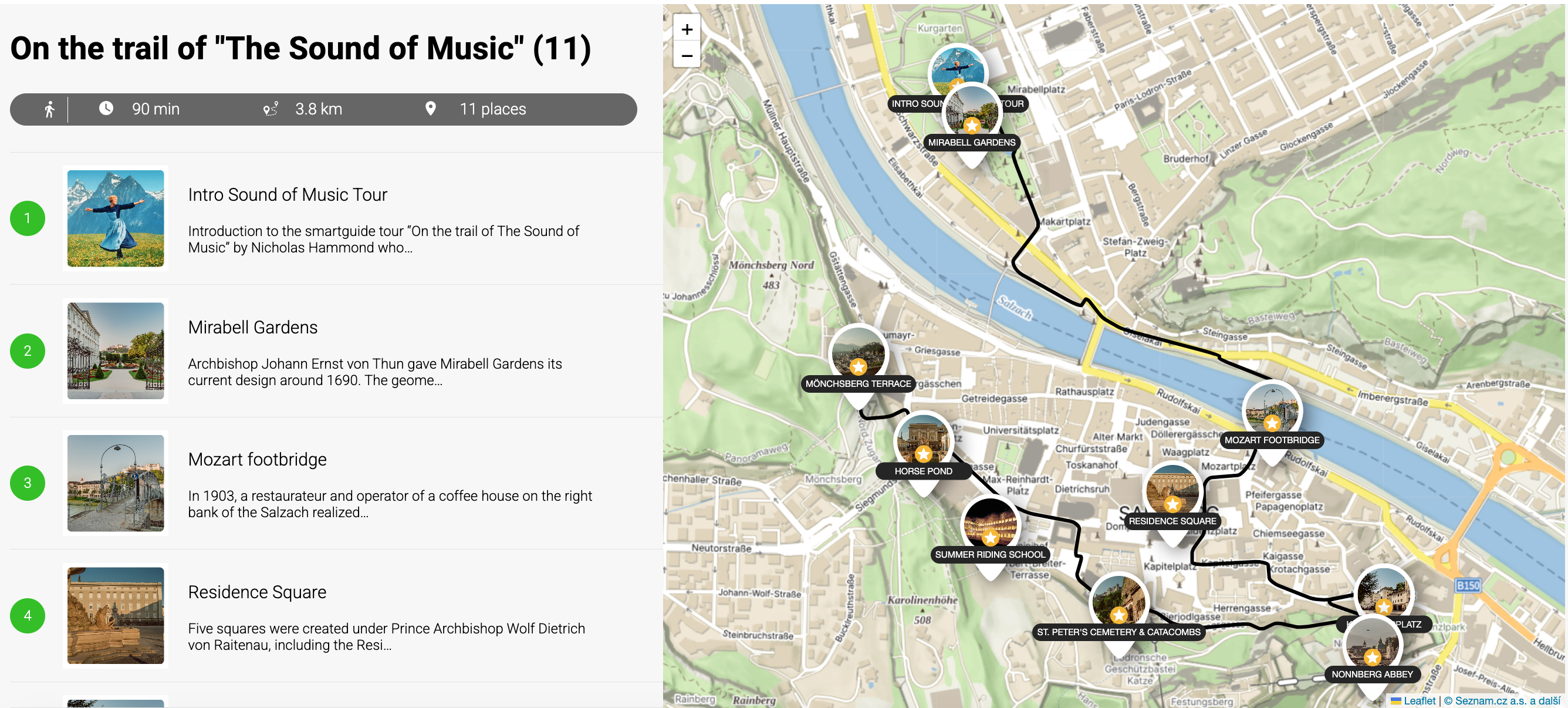
Visit Salzburg offers a compelling example of leveraging multiple musical associations within a single destination. The city’s Mozart Week, a cultural festival running since 1956 as a birthday celebration for the composer, features operas, concerts, puppet theatre with live music and cinema evenings showcasing Mozart films. This repeating cultural programming builds a long-term visitor engagement around specific musical heritage. Visit Salzburg also capitalises on the connection between music and film tourism through The Sound of Music, providing various packages that include tours and food experiences shaped around the film. The DMO has worked with the Smart Guide app to develop an “On the trail of The Sound of Music” self-guided tour visiting 11 locations, showing how digital storytelling platforms can support individual music tourism experiences.
Fort Worth provides an example of how destinations can support local music ecosystems while extending destination reach. Hear Forth Worth provides local artists with travel grants supporting tour engagements. In return, artists associate themselves with the destination on social media and stage, helping build destination recognition among their fans who may be inclined to visit. This approach demonstrates how DMOs can invest in authentic musical ambassadors who promote the destination organically through their performances and following.
As more destinations recognise music’s potential to drive visitation, differentiation will become increasingly important. The most successful strategies are likely to be those that move beyond simply hosting events or leveraging heritage, instead weaving music into the fabric of destination identity while supporting the local creative communities that make these experiences authentic.
DTTT Take
The evolution of music tourism from a niche interest to a strategic destination asset reflects broader shifts in how travellers seek authentic and immersive experiences that connect them with local culture and community. The most effective campaigns rarely rely on a single approach, Vienna’s Strauss campaign, Korea’s Feel the Rhythm videos and Portugal’s festival ecosystem each demonstrate how layered approaches, combining heritage, digital innovation, live experiences and community engagement, create more compelling visitor propositions than any single element alone. For DMOs looking to develop or strengthen their music tourism strategies, several principles emerge:
Developing comprehensive music ecosystems: The integration of multiple music tourism touchpoints shows how destinations can create layered experiences that serve different visitor motivations while supporting local creative industries. Successful music tourism requires strategic coordination across cultural programming, infrastructure development and community support rather than relying solely on individual attractions or events.
Creating shareable music-first content: Creative content can outperform traditional tourism advertising when the concept captures cultural distinctiveness. DMOs should explore content formats that allow viewers to experience destination energy rather than passively consuming information about landmarks and attractions.
Transforming digital storytelling through cultural innovation: Musical heritage can be effectively leveraged through creative digital narratives that blend tradition with contemporary content formats. Destinations need to explore unconventional storytelling approaches that reimagine cultural icons for global audiences while maintaining authentic connections to local identity and place-based experiences.
Positioning music tourism as a sustainable dispersal tool: Music festivals and events can serve as powerful mechanisms to disperse tourism across territories and support local economies beyond primary tourism centres. Maximising these benefits requires coordination between national and regional DMOs.
Building consistent musical identities across touchpoints: Sustained investment in musical identity, embedded across all touchpoints from branding to content to in-destination experience, can deliver long-term growth. Truly embedding music into destination DNA demands commitment beyond individual campaign cycles.
Leveraging heritage for long-term value: Musical heritage can deliver sustained returns when properly developed through infrastructure that connects tourists with living musical communities rather than static museum experiences.
Measuring economic impact systematically: Data-driven approaches that capture both direct spending and broader economic effects can justify continued investment and demonstrate music tourism’s contribution to destination economies.
Integrating technology to enhance authentic experiences: Successful music tourism combines technological innovation with cultural authenticity. DMOs should invest in digital tools that deepen visitor engagement with musical heritage while ensuring technology serves to amplify rather than replace authentic cultural and local musical experiences.
Oops! Something went wrong while submitting the form.
Based on growing interest in cultural and entertainment-led travel, music tourism is emerging as a significant trend for attracting experience seekers. Its rising appeal is linked to the impact of technology and social media, which have transformed how people engage with music and discover new destinations. According to an analysis in IQ Magazine, music and festival tourism is projected to reach over $260 billion by 2030, demonstrating how music today is a powerful driver of international mobilisation of people, creativity and economy.
For DMOs, music offers a versatile strategic tool. It can serve as the primary attraction through festivals and heritage sites, enhance existing tourism products through curated experiences and programming or shape a destination's overall identity and atmosphere. The most effective DMO campaigns often blend these approaches, using music as both a destination differentiator and a vehicle for deeper cultural storytelling. Destinations worldwide are responding to this opportunity through immersive experiences, strategic partnerships and targeted investments in digital innovation.
Reimagining Musical Heritage for Contemporary Audiences
One of the most established approaches to music tourism involves building campaigns around iconic musical figures associated with a destination. A strong case for this is the Vienna Tourist Board, demonstrating how musical heritage can be used to appeal to experience seekers through digital innovation and thematic storytelling. Marking the 200th birthday of Johann Strauss, their 2025 thematic campaign celebrated Vienna’s identity as the world capital of music. Under the slogan “King of Waltz. Queen of Music”, Strauss was positioned as a central figure in the city’s musical legacy, while Vienna itself took the spotlight as a living stage for music lovers.
Visitors were invited to engage with themed itineraries that explored Vienna’s musical past and present. These included opportunities to trace Strauss’ influence on musical culture through immersive experiences available on the city’s mobile guide, Ivie, making digital innovation central to the campaign. Ivie provided visitors with a dedicated Strauss audio walk, a journey through 11 key locations that reveal the life and legacy of the composer through storytelling and sound.
This cultural exploration was extended through interactive elements on the DMO’s website, such as a playful music quiz that helped users find their perfect Strauss soundtrack for their Viennese trip, accompanied by a themed Spotify playlist.
The campaign also featured a viral moment with Waltz into Space, a creative twist on cultural storytelling that included a hero video exploring why The Blue Danube Waltz was left off the Voyager Golden Records - when NASA sent a compilation of humanity’s greatest music into space in 1977 as a message for potential extraterrestrial life. The video drew over 20 million views.
Building upon the launch video, the campaign embodied an innovative approach to cultural storytelling that leveraged various digital components designed to be highly interactive. Central to this was the “SpaceNote ambassadors” programme, through which individual musical notes from The Blue Danube Waltz were allocated to participants, with 13,743 SpaceNote ambassadors from around the world each claiming ownership of a specific note from the composition. On 31 May 2025, The Blue Danube was successfully broadcast into space with the help of the European Space Agency and the Wiener Symphoniker Orchestra.
This approach provides a compelling model for other DMOs seeking to build strategies around musical icons. It shows how cultural figures can be reimagined for a global audience through engaging content, digital storytelling and partnerships. By combining strong content alignment with a clear sense of destination identity, the Vienna Tourist Board showcases a blueprint for how destinations can elevate music into a central pillar of their tourism promotion strategy.
The long-term value of heritage music positioning is well established. Liverpool generates approximately £100 million annually from an estimated 600,000 dedicated Beatles visitors, supporting 2,500 jobs. The city’s 2015 designation as a UNESCO City of Music solidified what visitors already knew: this was a place where musical history could be felt deeply. The UNESCO Creative Cities of Music Network now includes 75 cities globally, from Seville (2006, the first, built on Flamenco heritage) to Montreal (2023, capitalising on its legendary jazz festival), providing formal recognition that destinations can incorporate into their marketing positioning.
Creating Music-First Content That Travels
An emerging strategy sees DMOs treating music as the primary creative vehicle for destination content, inverting conventional tourism advertising logic. Rather than showcasing famous landmarks with explanatory narration, this approach focuses on music and performance, allowing viewers to feel a destination’s energy.
The Korea Tourism Organisation’s “Feel the Rhythm of Korea” campaign, launched in July 2020, offers a compelling example of how music-first content can break through the noise of destination marketing. The first Seoul video featured Pansori-Pop band Leenalchi and the Ambiguous Dance Company, blending traditional Korean musical storytelling with energetic choreography filmed at tourist sites as locals passed by in the background. Instead of explaining Korea through narration and landmark shots, the campaign let viewers to experience the destination through rhythm and movement.
The approach resonated globally, with Season 1 accumulating 566 million views across Youtube and Facebook. Season 2 (2021-2022) expanded the concept by partnering with hip-hop label AOMG and H1GHR Music to produce soundtracks blending K-Hip Hop with traditional folk songs, including the UNESCO-listed “Arirang”. Building on this momentum, the October 2022 BTS mini-series featured songs personally selected by members Suga and Jimin for four Korean Cities, reaching 490 million cumulative views and exceeding its target by over 56%. The campaign showed how music-first content could tap into existing K-Culture fascination, from K-Pop to K-Drama, and channel it toward genuine tourism intention.
Singapore Tourism Board (STB) has embraced music video partnerships as a way to reach global audiences through content they actively seek out. In 2022, STB collaborated with American singer-songwriter Billie Eilish, filming her music video at Gardens by the Bay to position Singapore as a City in Nature. This approach reached new heights with STB’s partnership with Coldplay for the “Man in the moon” music video, filmed during the band’s January 2024 Singapore concerts.
The video captures Coldplay performing on a custom floating stage at Marina Bay, but what makes it distinctive is its deliberate balance between the iconic and the everyday. Alongside the gleaming Marina Bay Sands skyline, viewers encounter traditional coffee shops and heritage districts. This pairing of glamour with heartland authenticity was a conscious creative choice, the production employed over 100 local talents. Within one week of release, the video and social posts achieved 12 million views and nearly 500,000 social interactions, with Rolling Stone Australia describing it as “a love letter to Singapore”.
These partnerships illustrate how music videos can function as evergreen destination content, reaching millions who might never encounter traditional tourism advertising. The impact of music video tourism also extends beyond DMO-commissioned projects. Justin Bieber’s “I’ll Show You”, filmed at Iceland’s Fjaðrárgljúfur canyon, increased foot traffic by 50-80% between 2016 and 2018, eventually requiring temporary closure due to overtourism. This organic effect suggests DMOs should monitor cultural content featuring their destinations and consider how to amplify its reach.
Hosting Global Tours as Destination Strategy
Beyond content partnerships, some destinations are actively competing to host major global tours, treating concerts as strategic investments that can deliver measurable economic returns while positioning themselves as entertainment destinations.
Singapore’s Tourism Board made headlines in 2024 by securing Taylor Swift’s Eras Tour as an exclusive Southeast Asian engagement. The arrangement, funded through STB’s Tourism Development Fund to promoter AEG Presents Asia, resulted in six sold-out National Stadium shows in March 2024 with over 300,000 tickets sold. The regional draw was significant: 70% of concertgoers came from overseas, primarily Malaysia, Indonesia, the Philippines and Thailand, while Changi Airport recorded a 20% increase in arrivals during concert week. Hotel search interest on Agoda spiked 160 times above normal after tickets went on sale.
Marina Bay Sands, the official presenting sponsor, extended the experience beyond the stadium by creating “The Eras Tour Trail” with seven Instagram-ready installations representing Swift’s musical eras, while their façade glowed in concert pastel hues nightly. The strategy sparked regional debate about competitive concert bidding, but demonstrated how exclusive entertainment partnerships can drive visitor numbers and reinforce a destination’s position as a regional entertainment hub.
Other destinations hosting the Eras Tour took different approaches. In Stockholm, which hosted the only three Northern Europe dates in May 2024, Stockholm Business Region coordinated a city-wide response under the concept of "Swiftholm", bringing together organisers, the tourism industry and the city to create collective activities for visiting fans. Around 151,000 concertgoers arrived from 130 countries, spending nearly one billion kronor during their stay. In Lisbon, where Taylor Swift performed her first-ever Portuguese concerts at Estádio da Luz in May 2024, Visit Lisboa supported the moment with dedicated promotional pages and practical visitor information, demonstrating effective coordination between national and regional DMO efforts.
Portugal has also treated major concert hosting as infrastructure investment that delivers long-term capacity benefits beyond immediate visitor attraction. For Coldplay’s four nights in Coimbra (2023), which generated €36 million in direct economic return, the city’s tourism authorities coordinated with promoter Everything Is New, who contributed €545,000 to stadium renovations, creating lasting capacity for future events.
Building Festival Ecosystems
Music festivals represent one of the most influential segments of music tourism, with research showing they can generate substantial economic impact for host destinations. A strong example of this is Visit Portugal’s latest campaign, “Portugal Music Festivals - Headliners”, illustrating how DMOs can reframe their entire destination as a musical festival experience through strategic content positioning.
Visit Portugal’s communication strategy repositions traditional destinations' strengths through a musical lens, presenting the country as a year-round music venue where natural and cultural experiences serve as performance stages. The coast becomes a backdrop for sunset performances, heritage sites transform into concert venues and regional diversity represents the variety found across musical genres and festival experiences. This approach creates a cohesive narrative where visitors can picture the entire country as an immersive space for musical culture and experiences.
Flagship events anchor this positioning and deliver substantial economic returns. Rock in Rio Lisbon has established itself as one of the major ambassadors for Lisbon and Portugal worldwide, its 20th anniversary edition attracted 300,000 visitors from 106 countries and generated €120 million in economic impact according to Nova SBE research, representing €11.8 million in tax revenue and boosting the tourism, accommodation, catering and transport sectors. NOS Alive, consistently rated among the world’s best festivals by The Guardian and Rolling Stone, draws 165,000 attendees annually with 20% from international markets.
Portugal’s strategy explicitly positions music tourism as a sustainable solution, using festivals and events as tools to disperse tourism across the territory and support local economies beyond Lisbon and Porto. This regional approach extends to how Portugal integrates its musical heritage into the broader festival positioning.
The strategy builds upon Portugal’s musical heritage. Fado, recognised by UNESCO as Intangible Cultural Heritage, is a melancholic Portuguese musical genre featuring soulful singing often used to express heartbreak and daily hardship. The Fado provides authentic cultural grounding for broader musical positioning, with Visit Portugal integrating it into their wider musical narrative through dedicated spaces like Museu do Fado, which has evolved from a traditional museum into heritage infrastructure connecting tourists with the living Fado community. NOS Alive introduced a dedicated Fado stage in 2016, bridging traditional Portuguese music with contemporary festival programming, a model for destinations seeking to connect heritage with contemporary appeal.
Visit Portugal’s approach demonstrates how music tourism can scale beyond individual attractions or events, by positioning natural landscapes, cultural sites and regional characteristics as components of a national musical experience, the destination creates multiple entry points for engagement while maintaining cultural authenticity. This model provides a framework for DMOs seeking to develop comprehensive musical identities that extend across an entire destination.
Embedding Music Into Destination Identity
Some destinations have music central to their entire brand identity, creating comprehensive ecosystems where musical experiences permeate every aspect of the visitor journey, from initial brand engagement through in-destination experience.
Visit Nashville exemplifies this approach through its comprehensive Music City identity. The DMO’s “There’s More than One Way to Play Music City” hero campaign shows how destinations can integrate musical elements throughout the entire visitor experience, from culinary events to in-destination experiences. This integrated strategy extends beyond traditional marketing materials to encompass social media presence, branded newsletters and curated hub content highlighting live music events, venues and local musicians. Nashville’s decades-long “Music City” branding has delivered 69 consecutive months of hotel room growth and 13.5 million annual visitors, with the destination marketing itself as “the Silicon Valley of the music business”.
Visit Austin demonstrates a similar approach through “The Sound of Austin” hero video, which conveys the city’s inspiring musical scene. The destination positions itself as the “Live Music Capital of the World” and emphasises local artists through their Music Office, which plays a crucial role in marketing local music to travellers and ensuring visitors experience Austin’s vibrant music culture. Music is deeply embedded in Austin’s identity and positioned as what makes the destination distinctive. The DMO supports this positioning through comprehensive content covering the music scene, best venues, live music options and an interactive map for finding venues.
Memphis Tourism showcases how destinations can combine musical icon heritage with contemporary live music positioning. They have created curated playlists on Spotify and a music quiz for visitors to discover their “Memphis music vibe”, which inspires travellers to visit venues and get immersed in Memphis’s live music scene. The Elvis Presley’s Memphis entertainment complex packages the city’s musical heritage into an immersive destination attraction, offering a collection of museums, exhibits and restaurants. The experience includes ten immersive activities using virtual and augmented reality, demonstrating how destinations can layer digital innovation to enhance authentic musical heritage.
Visit Salzburg offers a compelling example of leveraging multiple musical associations within a single destination. The city’s Mozart Week, a cultural festival running since 1956 as a birthday celebration for the composer, features operas, concerts, puppet theatre with live music and cinema evenings showcasing Mozart films. This repeating cultural programming builds a long-term visitor engagement around specific musical heritage. Visit Salzburg also capitalises on the connection between music and film tourism through The Sound of Music, providing various packages that include tours and food experiences shaped around the film. The DMO has worked with the Smart Guide app to develop an “On the trail of The Sound of Music” self-guided tour visiting 11 locations, showing how digital storytelling platforms can support individual music tourism experiences.
Fort Worth provides an example of how destinations can support local music ecosystems while extending destination reach. Hear Forth Worth provides local artists with travel grants supporting tour engagements. In return, artists associate themselves with the destination on social media and stage, helping build destination recognition among their fans who may be inclined to visit. This approach demonstrates how DMOs can invest in authentic musical ambassadors who promote the destination organically through their performances and following.
As more destinations recognise music’s potential to drive visitation, differentiation will become increasingly important. The most successful strategies are likely to be those that move beyond simply hosting events or leveraging heritage, instead weaving music into the fabric of destination identity while supporting the local creative communities that make these experiences authentic.
DTTT Take
The evolution of music tourism from a niche interest to a strategic destination asset reflects broader shifts in how travellers seek authentic and immersive experiences that connect them with local culture and community. The most effective campaigns rarely rely on a single approach, Vienna’s Strauss campaign, Korea’s Feel the Rhythm videos and Portugal’s festival ecosystem each demonstrate how layered approaches, combining heritage, digital innovation, live experiences and community engagement, create more compelling visitor propositions than any single element alone. For DMOs looking to develop or strengthen their music tourism strategies, several principles emerge:
Developing comprehensive music ecosystems: The integration of multiple music tourism touchpoints shows how destinations can create layered experiences that serve different visitor motivations while supporting local creative industries. Successful music tourism requires strategic coordination across cultural programming, infrastructure development and community support rather than relying solely on individual attractions or events.
Creating shareable music-first content: Creative content can outperform traditional tourism advertising when the concept captures cultural distinctiveness. DMOs should explore content formats that allow viewers to experience destination energy rather than passively consuming information about landmarks and attractions.
Transforming digital storytelling through cultural innovation: Musical heritage can be effectively leveraged through creative digital narratives that blend tradition with contemporary content formats. Destinations need to explore unconventional storytelling approaches that reimagine cultural icons for global audiences while maintaining authentic connections to local identity and place-based experiences.
Positioning music tourism as a sustainable dispersal tool: Music festivals and events can serve as powerful mechanisms to disperse tourism across territories and support local economies beyond primary tourism centres. Maximising these benefits requires coordination between national and regional DMOs.
Building consistent musical identities across touchpoints: Sustained investment in musical identity, embedded across all touchpoints from branding to content to in-destination experience, can deliver long-term growth. Truly embedding music into destination DNA demands commitment beyond individual campaign cycles.
Leveraging heritage for long-term value: Musical heritage can deliver sustained returns when properly developed through infrastructure that connects tourists with living musical communities rather than static museum experiences.
Measuring economic impact systematically: Data-driven approaches that capture both direct spending and broader economic effects can justify continued investment and demonstrate music tourism’s contribution to destination economies.
Integrating technology to enhance authentic experiences: Successful music tourism combines technological innovation with cultural authenticity. DMOs should invest in digital tools that deepen visitor engagement with musical heritage while ensuring technology serves to amplify rather than replace authentic cultural and local musical experiences.
Continue reading...
Get access to 100s of case studies, workshop templates, industry leading events and more.



.svg)





-2.webp)