Sport is one of the most powerful tools available to destination marketers. It reaches vast audiences and generates deep emotional engagement, with fans among the most loyal and motivated travellers.
DTTT Knowledge Team
25 Feb 2026
In this piece
Sport is one of the most powerful tools available to destination marketers. It reaches vast audiences and generates deep emotional engagement, with fans among the most loyal and motivated travellers. From hosting mega events to weekly league matches and fan communities, the marketing and visitor experience development opportunities are numerous.
This depth of engagement translates directly into travel demand as visitors plan trips around fixtures.Visa data shows that 42% more international visitors travelled to Paris during the first week of the 2024 Olympics. The 2022 FIFA World Cup in Qatar welcomed 1.4 million foreign visitors, generating a lasting tourism legacy with a 157% post-tournament increase in visitor numbers the following year. More recently, Skyscanner data shows that the 2026 Men’s T20 Cricket World Cup triggered week-on-week flight search increases for the tournament period across the Indian host cities.
Sport is also one of the most consumed content categories online. According to Tubular Labs' analysis of Winter Sports, ice skating videos had 4.2 billion views across social platforms in 2025, while skiing content on YouTube alone generated 2.2 billion views. While these niche sports are carving out their own space, they barely scratch the surface of the massive audience numbers a powerhouse sport like football can command.
For DMOs, the sheer volume of sport-related content being consumed online every day represents a compelling case for investing in sport as a strategic brand differentiator. Visit Finland’s winter sport content series, released in the run-up to the 2026 Winter Olympics, illustrates this perfectly, using social channels to highlight the country’s deep connection to winter sports. This positions Finland as a destination where these sports are part of everyday life.
However, always-on social content is only one way destinations are tapping into the passionate communities interested in sports, with DMOs taking varied approaches to tapping into the cultural appeal of sports. For some destinations, this has meant building permanent institutional capabilities around sport promotion.
Dedicated Sport Marketing Strategy
For a growing number of DMOs, sport has moved firmly into the centre of their marketing operations. This is particularly evident in the United States, where many destinations operate dedicated Sports Marketing departments. These teams work year-round to attract tournaments and training camps, recognising that sports tourism generates significant economic impact through hotel stays, dining, transport and ancillary spending.
In Europe, Tourism Northern Ireland's dedicated Golf Marketing team works with international tour operators, organises media familiarisation trips, facilitates workshops and attends major golf trade events worldwide to position Northern Ireland as a premier golfing destination. The strategy has delivered impressive results. In 2024, Northern Ireland welcomed over 29,400 international golf visitors, generating an estimated £86.2 million for the local economy. Hosting the 153rd Open at Royal Portrush in 2025 further consolidated its golfing reputation. This approach illustrates how a sustained, sector-specific strategy can become a major economic driver.
What makes this approach instructive is the institutional commitment involved through dedicated annual budgets, personnel and specialised performance metrics. That kind of foundation becomes especially valuable when a major moment arrives.
The Super Bowl Effect
Some events transcend sport entirely, becoming cultural phenomena in their own right. The Super Bowl is the clearest example, with its halftime show meaning that many viewers only tune in for the spectacle surrounding the game. For destination marketers, this represents an extraordinary opportunity to reach audiences.
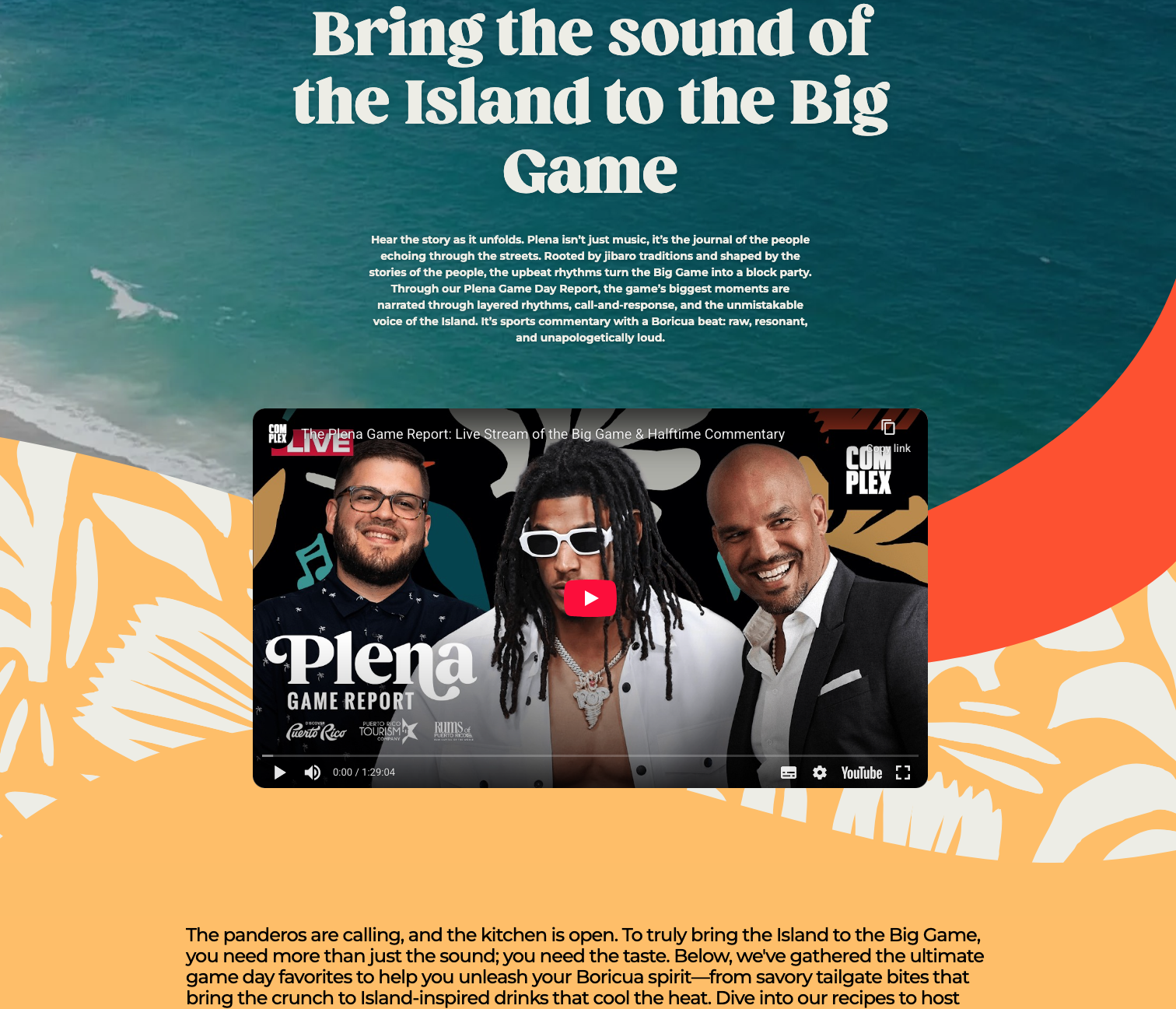
Bad Bunny’s halftime show demonstrated this potential on 8 February 2026, when the culturally charged performance put Puerto Rico firmly into the spotlight, reaching an estimated 128 million viewers. Discover Puerto Rico capitalised on this moment through its “The Big Game” campaign. The multi-channel initiative included “The Plena Game Report”, featuring a narrated YouTube livestream of the game, incorporating jibaro traditions, layered rhythms and the unmistakable voice of the Island. A Spotify playlist was also curated featuring the singer’s songs.
Placing Puerto Rico’s culture at the centre of the conversation, the DMO prioritised a more holistic approach to destination branding. Puerto Rican culinary classics were spotlighted on the campaign’s landing page, while an in-person activation in New York on 9 February put Puerto Rican hospitality firmly in the spotlight. This initial activation was capitalised on through a competition to win a trip to the island, creating a means for sustained engagement to capitalise on the moment.
The results were almost immediate. Expedia data shows that flight searches for Puerto Rico rose 245% in the days following the performance, with Bad Bunny’s hometown of Vega Baja surging by 1,450%. The activation demonstrated how a sporting moment can function as a significant destination marketing opportunity.
Travel Oregon’s “The State of OR” campaign offers a different perspective on the Super Bowl’s marketing power, focusing on the appeal of its prime-time advertising slots. The 60-second campaign video debuted in the pregame broadcast across four priority markets, with a twelve-week campaign extending across national and streaming television, online video and social media. This campaign positions the state as a place of contrasts, choices and possibilities, creatively capitalising on Oregon's two-letter abbreviation as a brand asset.
Both examples illustrate how the Super Bowl’s status creates a unique window for destination messaging. But the connection between sport and destination branding does not require a once-a-year broadcast moment. For many DMOs, the most valuable partnerships are the ones that operate throughout the year.
Enhancing Sport Partnerships
A growing number of destinations are entering into direct partnerships with professional sports clubs and franchises, recognising that team fanbases represent highly engaged, loyalty-driven communities that can be activated throughout the season.
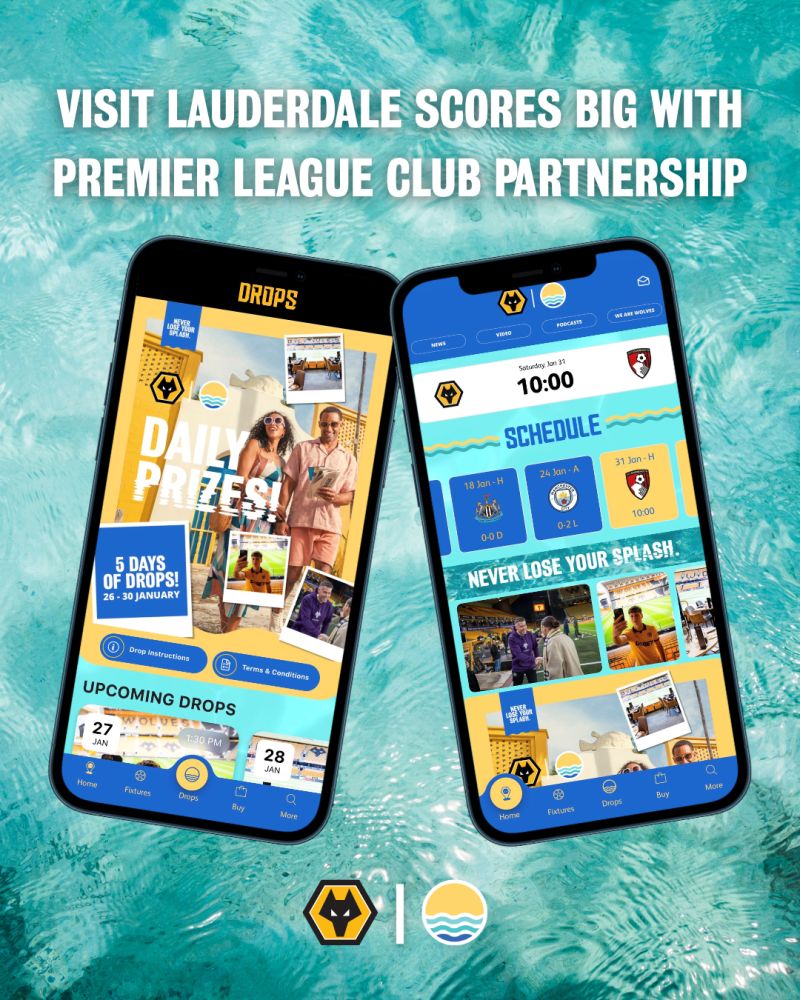
Visit Lauderdale’s partnership with Wolverhampton Wanderers demonstrates how DMOs can tailor their communications to reach a passionate supporter base. As the club’s official destination partner since the 2024/25 season, Visit Lauderdale has gained access to the Premier League’s global broadcast reach. Building upon this initial foundation, the partnership developed into a full visual takeover of the Wolves App in January 2026, featuring bespoke creatives inspired by Visit Lauderdale’s “Never Lose Your Splash” brand identity. For a week, fans engaging with the app encountered vibrant destination imagery, with the opportunity to win prizes, creating a direct and interactive connection between the club’s community and the destination’s brand.
The Catalan Tourist Board’s long-running partnership with FC Barcelona illustrates a different model. "The Great Journey Through Colours” was designed to create an emotional association between the club’s global fanbase and Catalonia as a tourism destination. By using the shared colours of the club and the region as a unifying theme, the campaign positioned travel to Catalonia as an extension of the matchday experience. This gives fans an opportunity to feel the culture, landscape and identity that give the club its meaning. This connection creates an inseparable parallel between the club and region that needs to be experienced in full.
These partnerships offer sustained engagement with a passionate audience over months and are especially powerful when they create strong destination pride. Such targeted communication is often hard to convey through conventional channels, making partnerships a key strategy for driving personal engagement around shared values. Some of the strongest examples involve using sport to unlock entirely new source markets.
Attracting Key Markets
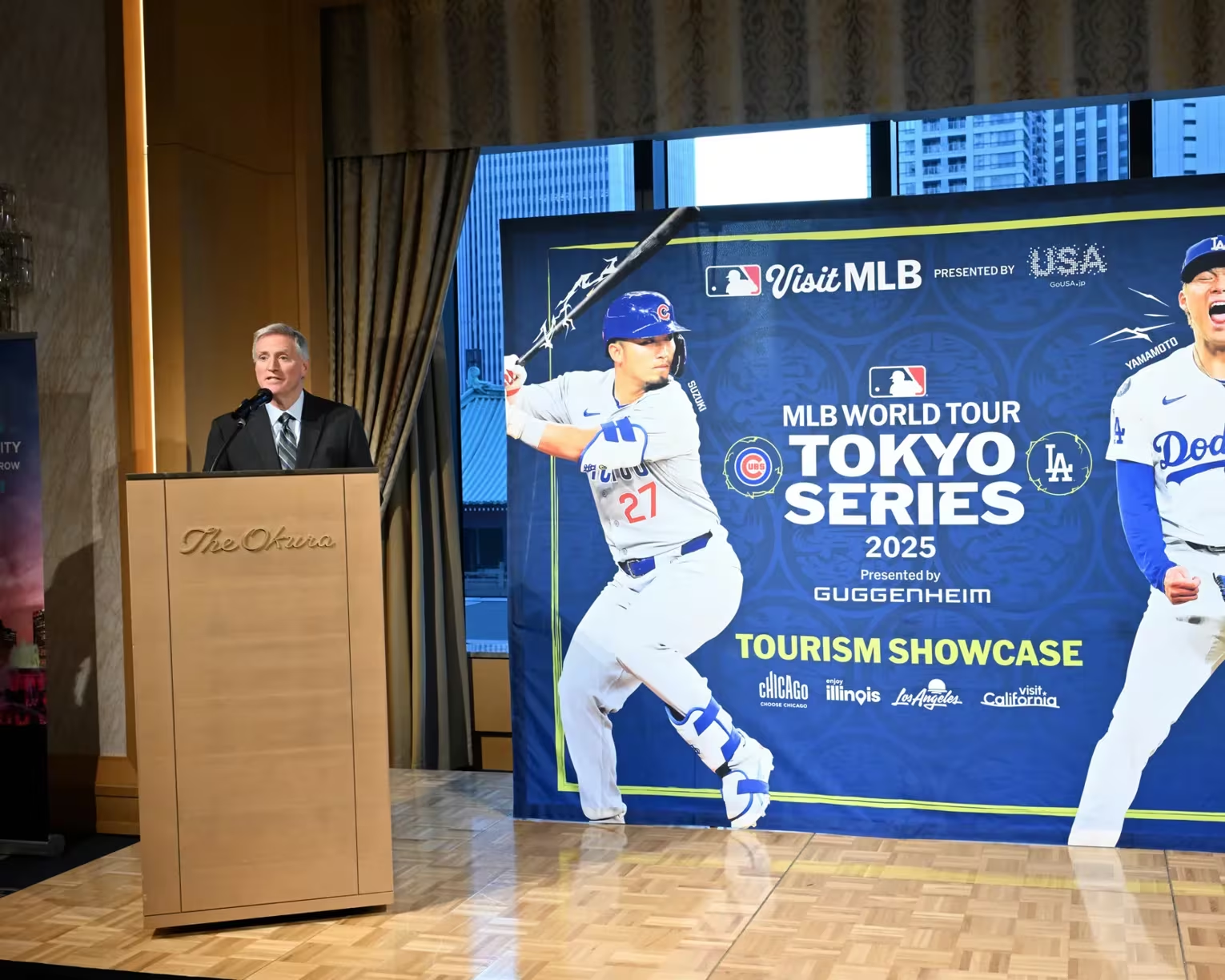
At the franchise level, Visit California’s partnership with Major League Baseball (MLB) provides a strong example of how collaboration can open up broader strategic opportunities. During the MLB World Tour: Tokyo Series in March 2025, Visit California activated a week-long programme alongside MLB, Brand USA and other leading US destinations. The centrepiece was a Tourism and Hospitality Showcase at which thirty top Japanese tour operators gathered for a destination training session. The collaboration fits neatly within Visit California’s broader positioning as “The Ultimate Playground”, a brand platform that frames the state as the premier destination for play, recreation and adventure.
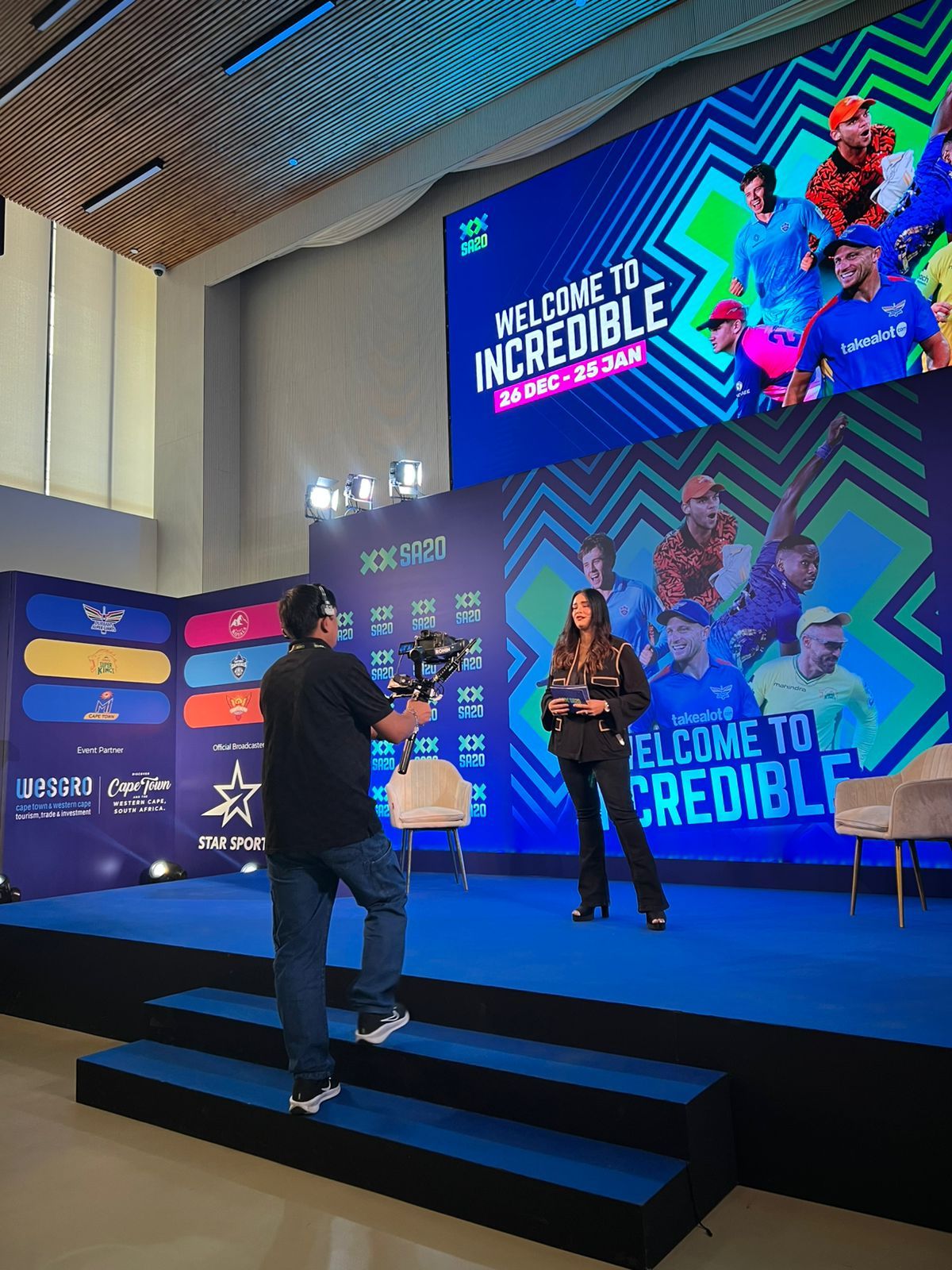
However, the relationship between cricket and the Indian traveller is perhaps the most powerful example. Wesgro, the tourism, trade and investment promotion agency for Cape Town and the Western Cape, has taken a similarly targeted approach by partnering with the SA20, South Africa’s premier T20 cricket league. Wesgro participated as the event partner at the SA20 Season 4 launch in Mumbai in November 2025, using the platform to position the Western Cape as a destination for Indian travellers. This reflects a long-term ambition to position the Western Cape as a preferred destination for this rapidly expanding market, with cricket as the common language.
Aligning with the right sport can unlock a new market. But the connection between sport and destination branding can also be made more personal. Wesgro's approach recognised this, with cricket icons including Faf du Plessis, Hashim Amla and Mark Boucher sharing their own reflections on why the province is so special. Such authentic communication helps to leverage the recognition and appeal of sports stars to build awareness among their own individual fan bases. This inclusion of celebrities in destination campaigns is a well-established approach to gain brand visibility.
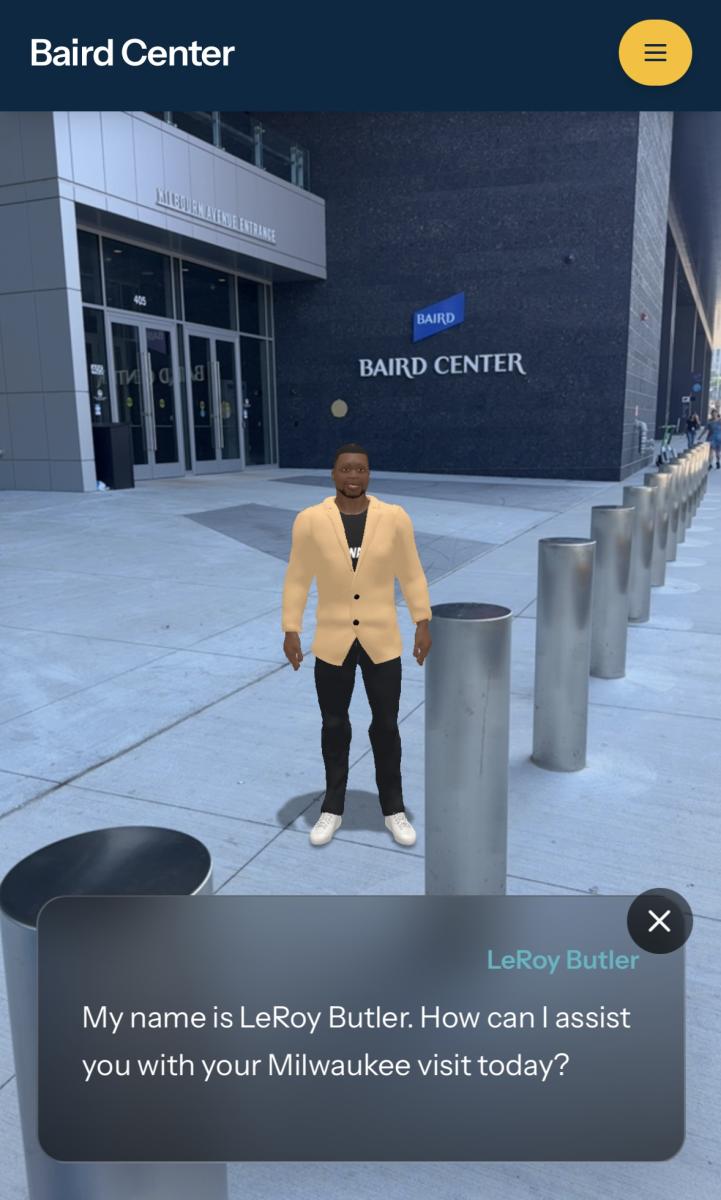
Taking the star power of athletes to the next level, Visit Milwaukee’s “Ask LeRoy” uses Pro Football Hall of Famer LeRoy Butler as an AI-powered augmented reality sales representative. When visitors scan QR codes positioned at key locations in the city, LeRoy Butler appears as a lifelike 3D avatar, ready to share details about Milwaukee’s meeting capabilities, venue specifications, dining recommendations and local attractions. The experience creatively transforms a sports personality from a brand ambassador into an interactive, always-available guide to the destination for MICE visitors and leisure travellers alike.
While technology is giving destinations new ways to bring sporting personalities into the visitor experience, when destinations host a mega event, cultural programming becomes especially effective in ensuring that the benefits of sport reach well beyond the competition venues.
Leveraging Cultural Programming
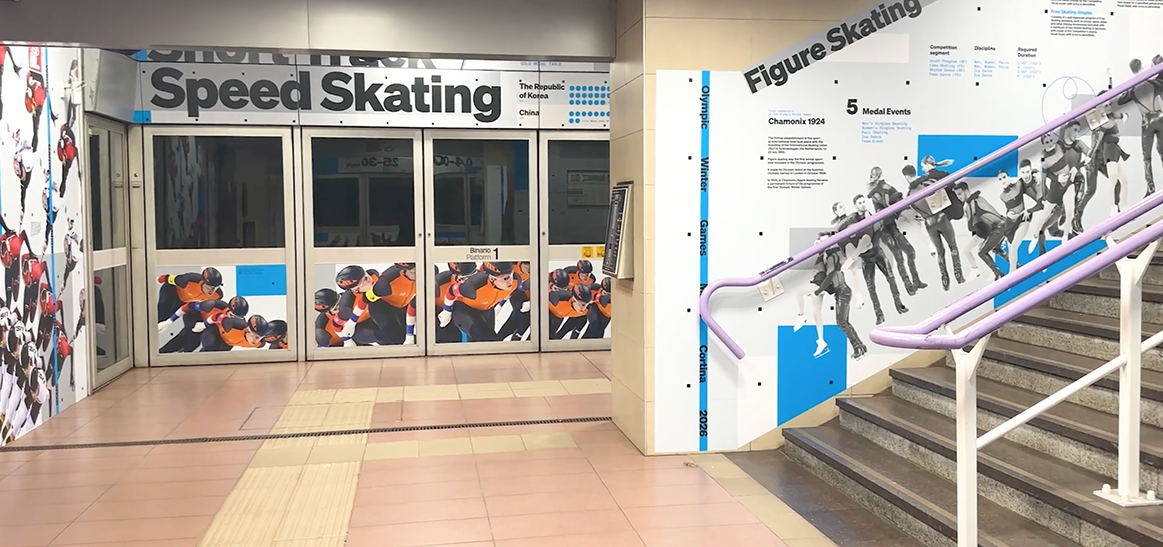
Cultural programming, including festivals, exhibitions, public art and community events, creates a richer visitor experience. YesMilano’s “Fundamentals: 1924–2026 Olympic Ice Sports” project, created in partnership with the Olympic Museum and Metro 5, has transformed the Portello metro station into an immersive visual installation exploring the rules, heroes and defining moments of Olympic ice sports over the past century. It is part of a broader Cultural Olympiad programme that has already engaged almost seven million people across more than 2,250 days. The wider economic picture is equally striking, with Data Appeal, DTTT’s data advisory solutions partner, predicting event spending will exceed €291 million.
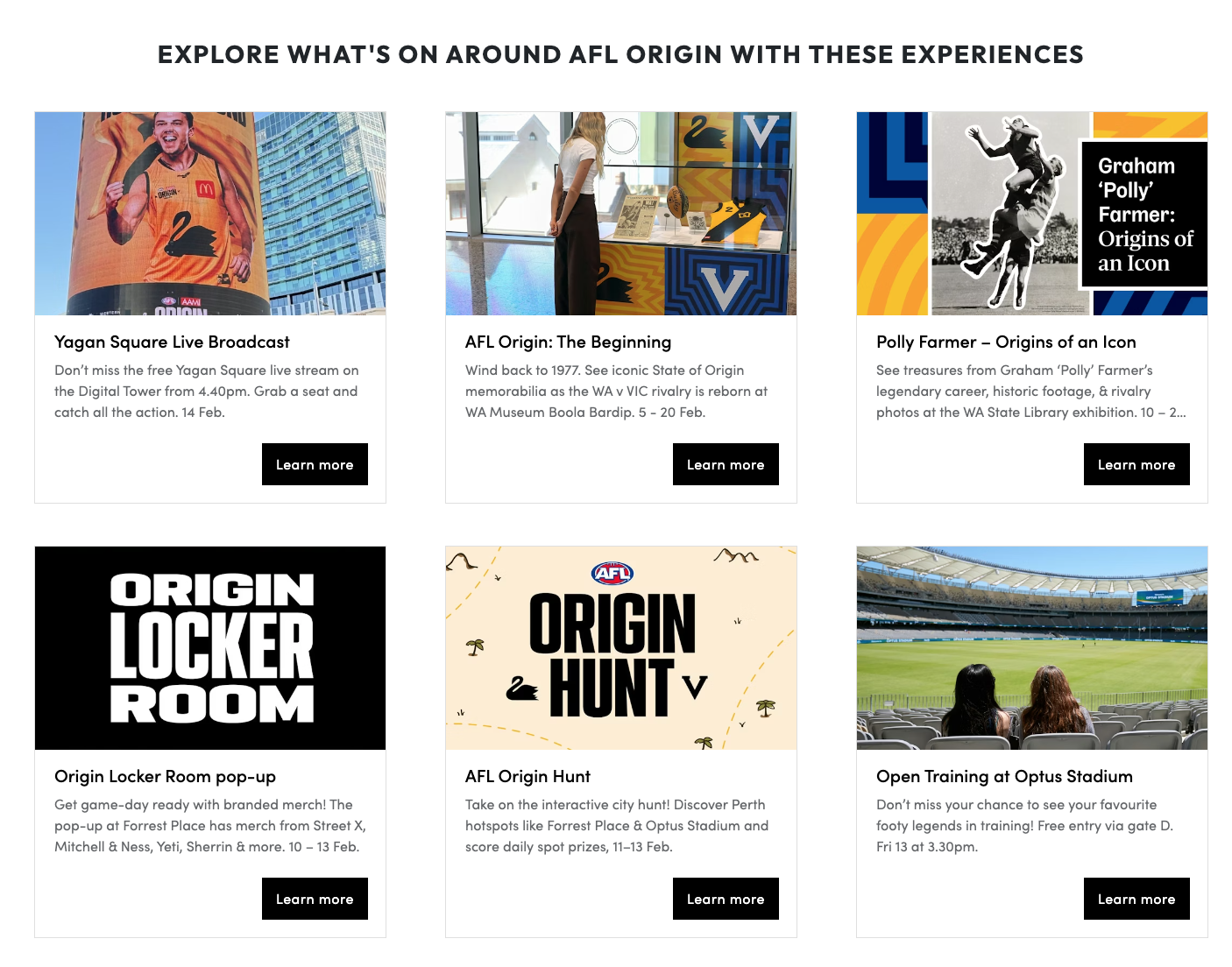
Tourism Western Australia has taken a similar approach with its "AFL Origin" experiences, curating a programme of activities and events around Australian Football League fixtures that connect visitors with the broader Western Australian lifestyle and culture. This positions sport as a gateway into the destination’s wider tourism offer. With the state also having won the rights to host the 2026 AFC Women’s Asian Cup and 2027 Men’s Rugby World Cup, it is clear that sports events are going to continue to play a key role in the promotion of Western Australia for the foreseeable future.
Cultural programming gives destinations a way to deepen the visitor experience around major events. But it can also serve a more strategic purpose in directing visitor flows beyond the host city and into the wider region.
Spreading Tourism Through Sport
While sport acts as a primary motivation for visiting a destination during an event, it also offers a natural mechanism for encouraging visitor dispersal. This is particularly evident when events move between locations or when campaigns deliberately connect the sporting moment to the broader destination offer.
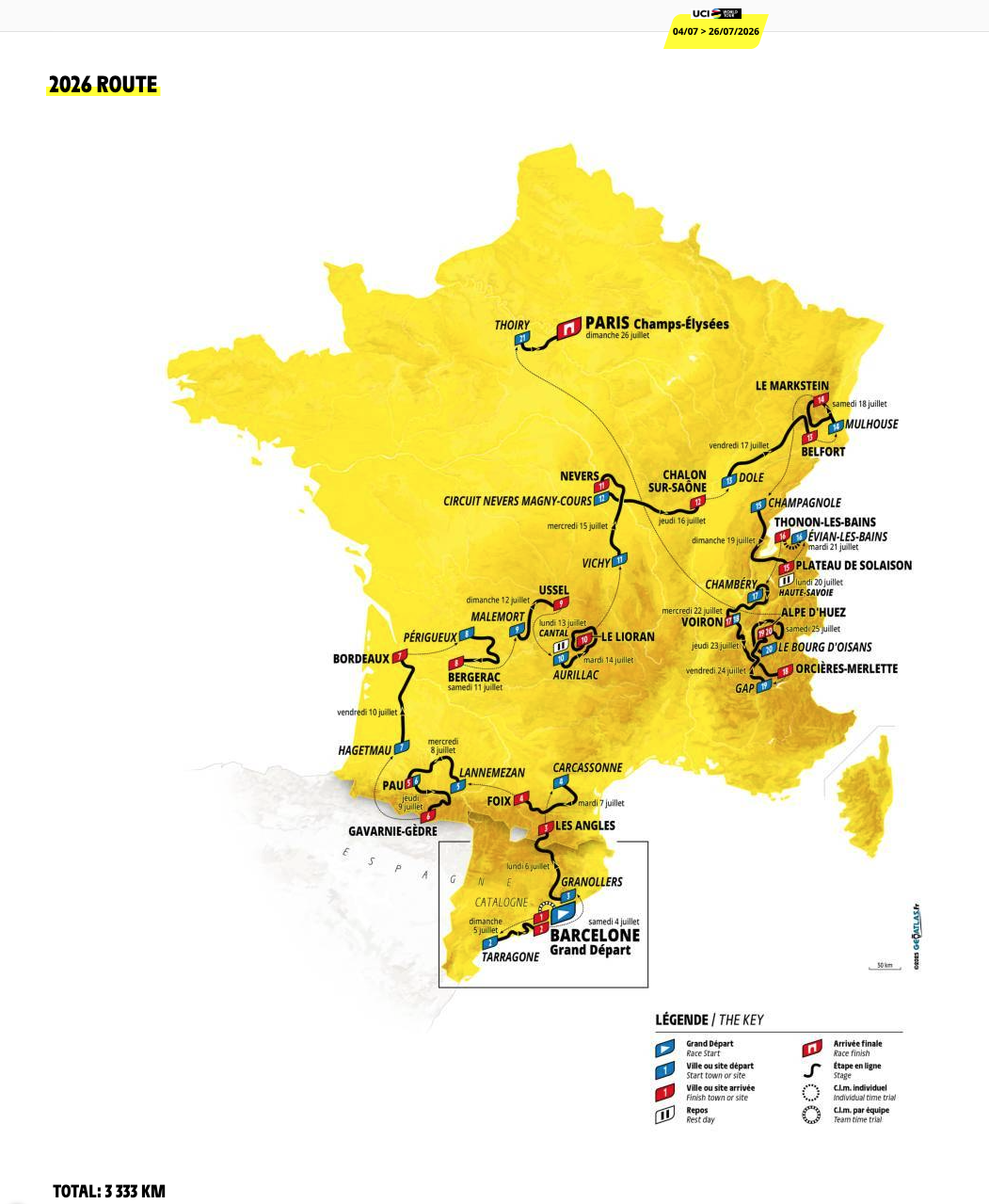
The Tour de France is perhaps the purest example. Each year, the route changes, bringing the world’s media and hundreds of thousands of spectators to small towns and villages across France, which might otherwise struggle to attract international attention. In fact, research has estimated that a stage can generate between €0.9 million and €1.8 million for the host region. However, the longer-term benefits of increased destination awareness and brand visibility are even more important.
Destination BC’s “Beautiful Seats” campaign applies a more creative philosophy to leveraging the 2026 FIFA World Cup, with data from Amadeus confirming that Vancouver’s average hotel occupancy for the summer has jumped from 31% to 53% on comparable dates. Built around the knowledge that while millions of fans will fill seats inside stadiums, British Columbia offers a different kind of spectacle. By juxtaposing the structured energy of an international stadium with the raw, untamed "seats" found in nature, whether a stunning view from a park bench, relaxing on a beach blanket or mountain biking down a rugged trail, these are the vantage points that define the BC experience.
The first phase of the campaign generated over 26 million video views across the UK and Germany, with a 56% increase in searches for “Vancouver World Cup” and a 200% increase in searches for “FIFA Vancouver”. In its second phase, the campaign will be shaped by a province-wide call for content, with more than 1,000 assets submitted by 169 communities and organisations. This demonstrates how DMOs can engage residents to support their destination marketing around events. Bookable travel packages and curated itineraries are also being integrated into the campaign to more tangibly encourage extended stays. This effort to drive broader exploration of British Columbia is supported by the strategic development of six iconic destination brands.
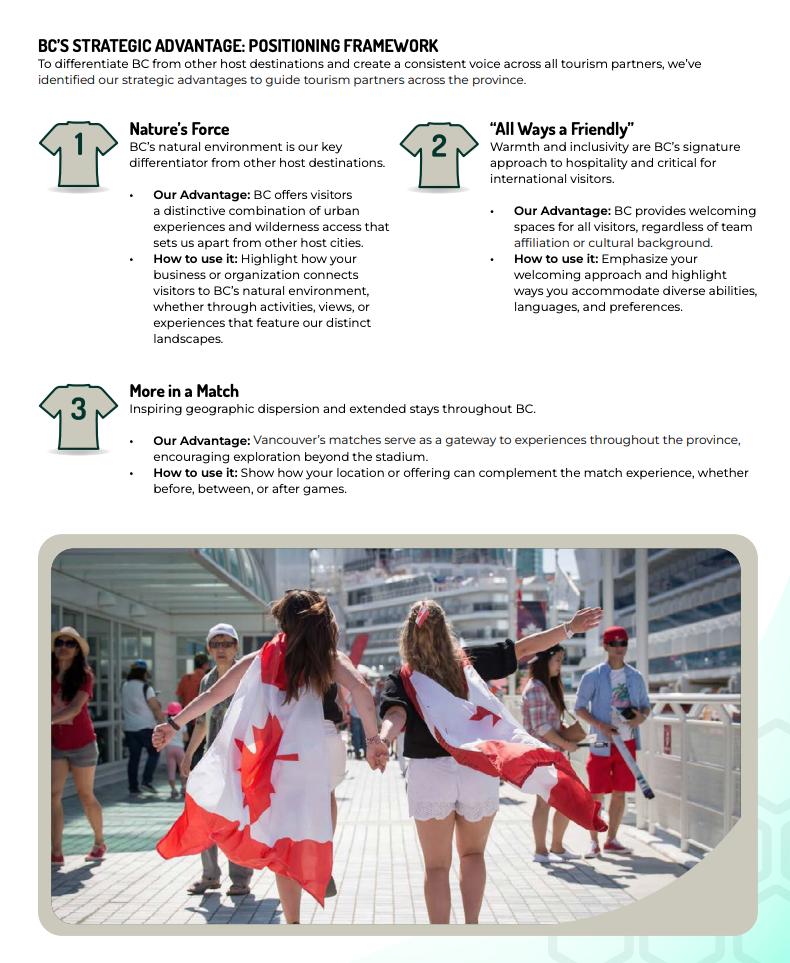
Maximising the tourism potential of a major sporting event requires coordination across multiple organisations, each contributing different capabilities and reach. This recognition led to the establishment of the British Columbia Tourism Football Club in February 2024, a consortium bringing together Destination BC, Destination Vancouver, Indigenous Tourism BC, the Ministry of Tourism, Arts, Culture and Sport, the BC Destination Marketing Organization Association and the City of Vancouver. Operating as a single coordinated unit, with a shared strategy across five pillars. Its industry-facing Playbook provides practical guidance on content creation and compliance. It is a powerful example of how sport can serve as a unifying framework for destination collaboration, aligning national, regional and local interests behind a shared opportunity.
Sport is a uniquely adaptable platform for destination marketing. It can attract entirely new source markets, drive visitor dispersal to underserved regions and build brand awareness at scale. Crucially, the opportunity is not limited to destinations with the appetite to host a mega event, with many opportunities for routine content and brand promotion.
Market-specific sport alignment: Identify the sports that resonate most with your target markets. Aligning with the right sport can create substantial destination awareness among new audiences, particularly when there is a shared connection through a passion for the sport.
Collaboration maximises sport tourism impact: Leveraging the tourism potential of a major sporting event requires coordination across multiple organisations. Models that unite partners behind a shared strategy ensure that benefits reach communities well beyond the host city and create grassroots buy-in across the wider destination.
Create cultural alignment: Use cultural programming, festivals and public art to extend the visitor experience beyond the stadium. This creates a vibrant atmosphere and a cohesive visitor experience that reinforces a positive destination image.
Establish partnerships with sports teams: Partner with professional sports clubs or leagues to access engaged, loyalty-driven fanbases through their digital platforms and media exposure. These partnerships offer sustained visibility across an entire season, providing opportunities for strong multi-year collaboration.
Broadcast and advertising placement: Leverage the concentrated attention of major sporting broadcasts to deliver destination messaging at scale. Premium placements around marquee fixtures can generate both paid and earned media impact that delivers a high return on investment.
Dispersal through targeted storytelling: Sports events attract audiences who are already motivated to travel and naturally open to exploring the wider destination. But converting that openness into action requires deliberate effort. Campaigns that showcase the diversity of a destination's offer as a complement to the sporting event itself can encourage extended stays and turn concentrated demand into widespread economic benefits.