Why High-Quality Experiences Are Redefining Rural Tourism's Appeal
Rural tourism is seeing a "renaissance" as travellers swap cities for authentic, nature-led experiences. From "passion tourism" to digital detoxes, discover the five key themes driving this €4 billion industry.
DTTT Knowledge Team
27 Feb 2026
In this piece
Proximity to nature, the hospitality of tight-knit communities and the sense that every experience is shaped by place are integral to rural tourism. This awareness that rural destinations must actively embrace and promote their unique local identity is driving a genuine competitive advantage. As traveller expectations evolve, a growing number of visitors are actively choosing rural destinations over cities, drawn by the quality, depth and emotional resonance of their distinctive local cultures and natural environments.
Our Rural Tourism Renaissance research, published in partnership with Airbnb, found that rural host earnings across eight European countries totalled €4.06 billion in 2024, with a five percentage point increase in the share of tourism revenue since the COVID pandemic1. This reflects a lasting shift in where and how people choose to travel. Across Europe, new rural tourism propositions are emerging, focusing on meaningful, well-crafted experiences that stay with a visitor long after they return home.
Our research identified five interconnected themes driving this shift: Passion Tourism, the Great Rural Reset, Authentic Luxury, Cultural Heritage and the Microcation. Together, they offer a roadmap for destination marketers seeking to position rural areas as first-choice destinations.
Passion Tourism
Passion-driven travel is one of the most powerful forces shaping tourism today. When visitors are motivated by a specific interest, they travel further, stay longer and spend more. Travellers are increasingly prioritising experiences over possessions, spending over €1 trillion globally on experience-based tourism. Rural destinations are well-placed to serve these audiences because passion tourism often depends on leveraging their authentic characteristics and natural charm.
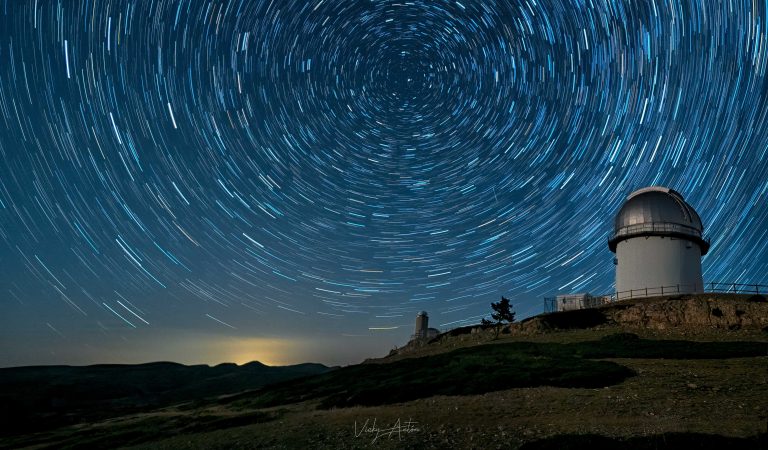
The upcoming total solar eclipse in Spain on 12 August 2026, continental Europe’s first since 1999, illustrates the scale of demand. Airbnb searches for eclipse week have surged by 830%, with six of the ten most-searched destinations located in rural Aragón. These are small towns and villages that would rarely feature in mainstream travel searches. The eclipse is putting these communities on the map, but the longer-term opportunity lies in building on that visibility through dark sky reserves and guided astronomy experiences. The region has already invested in this advantage, with the Galàctica astrotourism centre, which opened in 2023, expected to generate nearly €10 million in regional economic impact over its first four years.
That same principle of anchoring a destination around a specific pursuit applies equally to water sports. Along Ireland’s Wild Atlantic Way, surf tourism's growing potential is being realised through targeted investment. The development of Ireland’s first National Surf Centre at Strandhill Beach in County Sligo is expected to attract over 40,000 visitors annually by 2028, rising to 50,000 by 2033, translating to immediate annual visitor spending exceeding €3.4 million for the Sligo region. For many, the draw is the experience of learning a skill in an environment where progress is physical, immediate and deeply satisfying. This aligns with a broader shift in travel motivations, where the desire to acquire new knowledge or develop a new ability is becoming as powerful a driver as relaxation or sightseeing.
The power of passion tourism also extends into screen and literary fandoms, where devoted audiences research, share and return to the places that inspired the stories they love. It has been estimated that film and television tourism contributes more than £890 million annually to the UK economy, and destinations that feature prominently on screen consistently report measurable uplifts in visitor interest. What makes screen tourism particularly valuable for rural areas is that it often draws attention to places that would otherwise struggle for visibility and the audiences who seek them out tend to be highly engaged, researching locations in detail and planning trips around them. The forthcoming Silent Hill: Townfall game, set in a fictional village directly inspired by the fishing village of St Monans in Fife, Scotland, also has the potential to generate significant interest in this corner of coastal Scotland amongst passionate players of this popular game.
Similarly, the German Fairytale Route unites 70 locations around the common connection to the Brothers Grimm. From towering castles and palaces to enchanted woodland and half-timbered towns, this 600-kilometre route celebrates fairy tales and legends from Hanau, the Brothers Grimm's birthplace, to Bremen, spotlighting the real places behind the much-loved fairy tales.
What connects these examples is that each turns a specific rural characteristic into a reason to visit. But for every traveller drawn to a destination by a specific pursuit, there are many more arriving with a simpler need to rest and explore the rejuvenating power of nature.
The Great Rural Reset
If passion tourism draws visitors towards a specific pursuit, the Great Rural Reset responds to a more universal desire to slow down, step away from screens and reconnect with both self and surroundings. This has become one of the defining travel motivations of the post-pandemic era. Those aged 18–24 now spend approximately six hours online every day, with 21% of young adults feeling they lack balance between their online and offline lives. This digital saturation is fuelling a growing demand for places and experiences that offer a chance for a digital detox. What travellers seek is the chance to be present and to return home altered in some small but meaningful way.
Yoga and mindfulness retreats are flourishing in this context. Rural settings are central to their appeal as a retreat in the countryside offers an entirely different sensory environment. Silence, or something close to it, is increasingly rare in daily life, and for many visitors it is the most powerful thing a rural destination can provide. Retreats that understand this design the experience around the stillness and natural soundscape of the place itself.
That same sensory quality, the feeling of being captivated by a landscape instead of just passing through it, is what makes locally rooted wellness traditions so powerful. The most compelling rural wellness experiences are those embedded in local tradition. Along Ireland’s Wild Atlantic Way, for example, coastal communities in County Sligo are transforming traditional practices, such as seaweed baths into powerful rural tourism attractions. This therapeutic potential of seaweed bathing provides a clear motivator for many health-conscious travellers.
Just being in nature itself is extremely beneficial for health; something Visit Sweden leveraged as part of its "The Swedish Prescription" campaign. With Scandinavian countries championing the right to roam across open land as a source of national pride, there is a strongly held and ingrained belief that nature belongs to everyone and that walking freely through it is good for the soul. This ethos runs deep, underpinning a growing movement of travellers seeking the simple, restorative act of being outdoors in a landscape they are free to explore. In this context, forest bathing has also become popular, with studies linking the calming embrace of being surrounded by forests to reduced cortisol levels, lower blood pressure and improved mood.
The desire for a slower, more grounded lifestyle is also reshaping how and where people work. The shift to flexible working has unlocked enormous potential for rural tourism. 55% of employees now work remotely in some capacity, with YouGov polling showing that lakes, mountains or countryside (49%) are the preferred workcation destination for almost half of remote workers. The workcation opportunity also extends the tourism season significantly, as remote workers are not bound by school holidays. As digital connectivity continues to improve in remote areas, rural destinations are becoming increasingly well-positioned for enabling visitors to have a more balanced approach to exploring nature and their digital lifestyles. When that sense of reset is accompanied by exceptional food and the simple pleasure of a landscape with no one else in sight, it begins to feel like a form of luxury.
Authentic Luxury
Luxury in the rural context is about access to experiences that feel rare and rooted in the character of a place. The appetite for provenance, authenticity and direct connection with producers is substantial. This is what the true distinction of rural luxury means, offering a taste and an atmosphere that simply couldn’t exist elsewhere, shaped by the local agricultural heritage, weather and community.
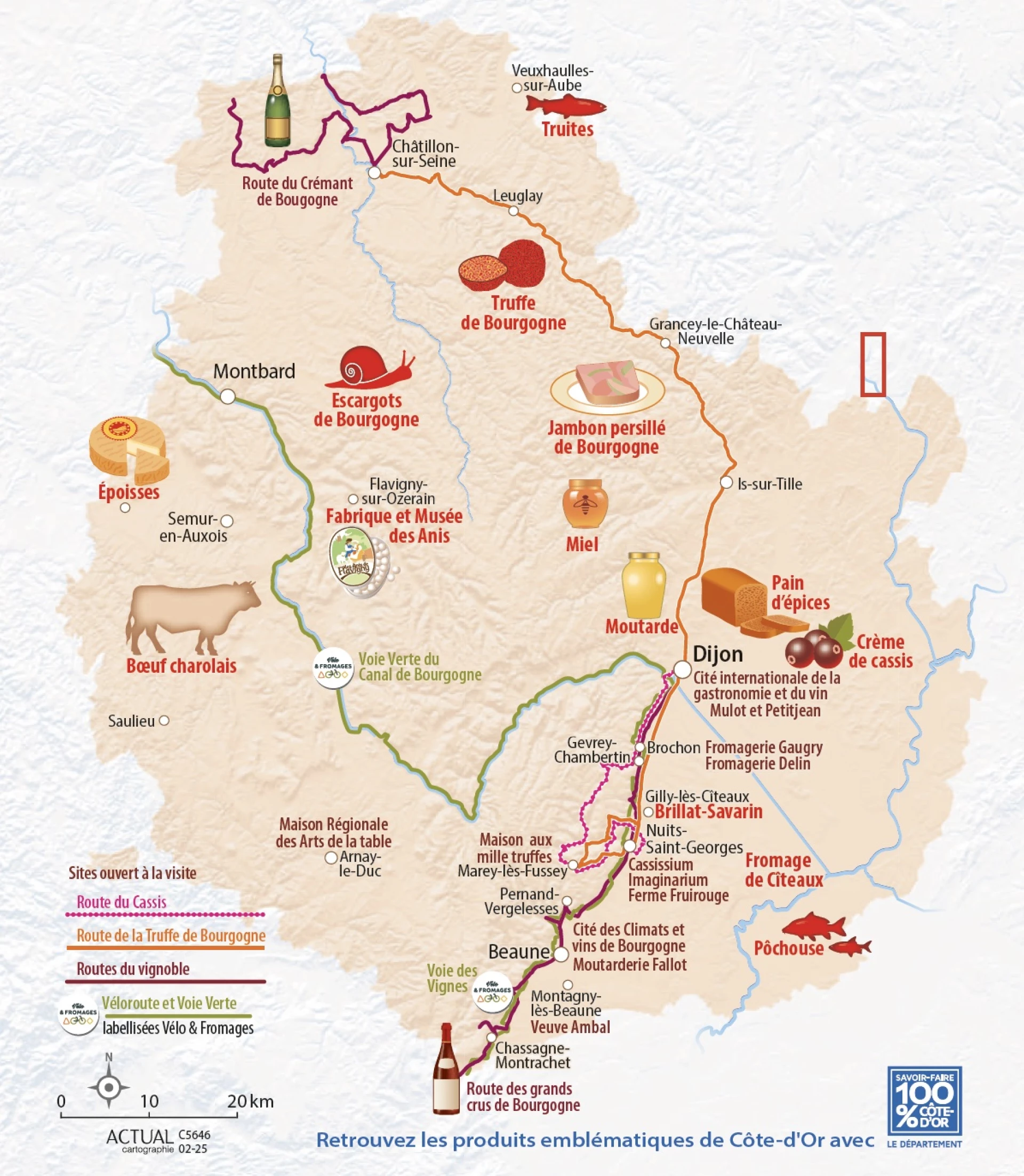
Wine tourism is a powerful example of this in practice. In France alone, 12 million visitors explored wine-related attractions in 2023, generating €5.4 billion annually. It effectively demonstrates how a hyper-local gastronomic experience can be elevated into a compelling tourism narrative, and how formal systems like France’s Appellation d’Origine Contrôlée (AOC) protections ensure the authenticity that attracts visitors is maintained over time. The launch of the 55-kilometre Route du Cassis in Burgundy is another prime example, connecting artisanal producers, distilleries and farms where visitors can sample crème de cassis, jams and cassis-based wellness products, supported by geo-located digital maps via the Balades en Bourgogne app. In meeting the local producers and tasting the agricultural produce in the location where it was grown, an immense intangible value and strong connection to that landscape is formed by visitors.
That desire for a personal, unmediated connection with a place also explains the growing appeal of seclusion. Few travel experiences offer the sense of escape that an island stay provides. Visit Sweden has embraced this opportunity through its “Your Swedish Island” campaign, which invites visitors to experience the ultimate luxury of a private island to themselves. With Sweden home to 267,570 islands, the campaign reframes a natural asset into an engaging experience. The appeal is focused on rarity: the experience of being somewhere truly your own, surrounded by water, sky and silence. Complementing this national communications initiative, Stockholm Business Region's "30,014 Islands of Possibilities" presents each of the region's islands as a distinct reason to visit and encourages travellers to explore beyond the city.
This theme of space as luxury connects directly to the appeal of rural destinations for families. Our research found that rural accommodation attracts groups that have a 49% larger party size, reflecting rural tourism’s strong appeal for families. The appeal of multi-generational family time is a proposition that urban destinations find difficult to match, with the festive season coinciding with longer stays and the strongest rural accommodation pricing. The National Trust has tapped into this with its “Space to Feel” campaign, positioning its countryside properties and gardens as places of emotional release and discovery. These are holidays defined by the simple pleasure of having enough space to be together without feeling rushed.
Authenticity, provenance and the freedom to be unhurried: these are the qualities that define rural luxury. But they are also, in a deeper sense, expressions of culture and are the living heritage of the communities that sustain them.
Cultural Heritage
Rural areas are full of traditions, customs, craftsmanship and stories that have been passed down through generations and remain integral to community identity. For visitors, these cultural encounters offer the chance to experience heritage in its original setting, practised by the people for whom it is a way of life.
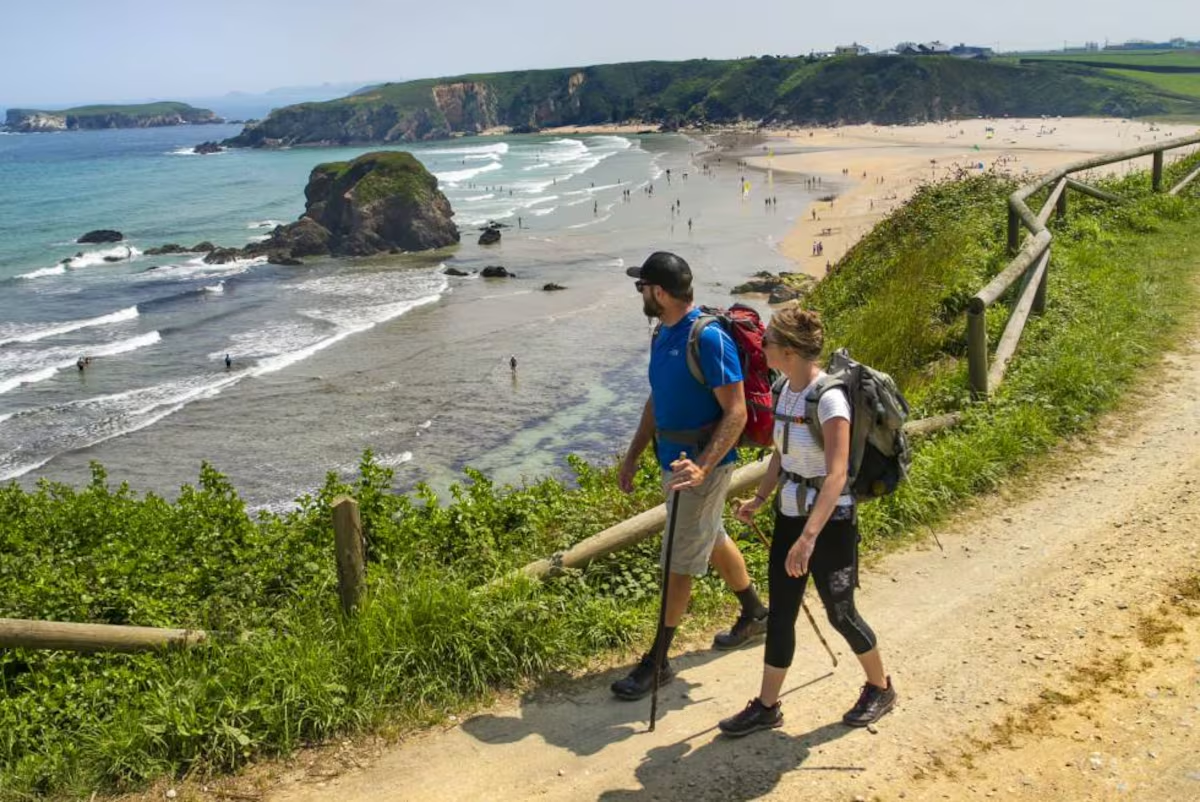
Of all the forms this takes, pilgrimage tourism may be the most powerful, combining physical challenge, personal reflection and sustained economic impact across some of Europe's most remote communities. The Camino de Santiago exemplifies this. In 2024, the route registered a record of over 500,000 pilgrims receiving the Compostela certificate, marking a 12% increase on the previous year. Yet, it is estimated that the actual number of walkers exceeded 1.5 million, as many complete the journey without seeking the certificate. What makes this significant is that 60% of those walking the Camino in 2023 did so for non-religious reasons, demonstrating how pilgrimages are no longer intended for niche audiences.
The sense of personal accomplishment, self-discovery and connection with fellow travellers ensures that this is a segment with deep emotional loyalty and strong word-of-mouth. Importantly, walkers pass through small villages and towns, spending on accommodation, food and local services in places that mainstream tourism rarely reaches. What distinguishes these routes is the role that local hosts play in shaping the experience. Antonio, an Italian Airbnb host in Macerata who welcomes travellers on the Lauretan Way, captures this beautifully: “Hosting slow tourism, where people are on an inner journey, is rewarding in a society that runs non-stop. Offering them the comfort of a home and support in finding places to refresh themselves is a wonderful feeling, as is listening to their stories”. His words reflect something essential about cultural heritage tourism in rural areas, with the host not simply providing a bed but participating in the traveller’s journey, creating the conditions for reflection, rest and human connection that make these routes so fulfilling.
If pilgrimage routes reveal heritage through movement and personal reflection, traditional sporting events and festivals reveal it through community celebration. They offer a different but equally compelling window into local culture. In Friesland, fierljeppen (canal vaulting with poles of up to 13 metres) dates back to the 13th century, with the sport now listed on the Netherlands’ national inventory of intangible cultural heritage under the UNESCO Convention framework. The sport’s annual championships draw thousands of spectators annually. Similarly, the annual Corso Zundert flower parade is a remarkable expression of community creativity. Volunteers from the town’s neighbourhoods spend months constructing enormous floats made entirely of dahlias, a tradition that has run since 1936 and which brings tens of thousands of visitors to this small North Brabant town each September. Events like these are inextricable from the communities that create them, and that authenticity is precisely what makes them compelling for visitors.
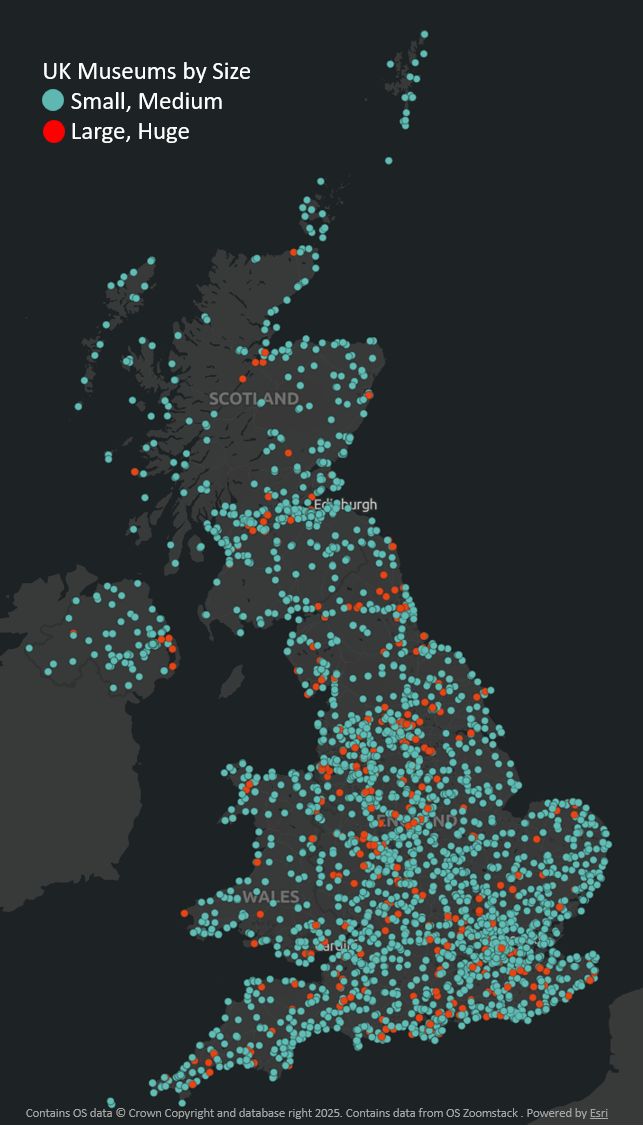
That same principle of heritage preserved in place applies to rural heritage sites. Castles, manor houses, local history museums and craft workshops play a vital role in anchoring visitors within a region’s cultural narrative, highlighting local identity, supporting year-round visitation and sustaining everyday culture. In fact, data from the Mapping Museums Lab reveals just how distributed the heritage sector is across the UK. This cultural density clearly shows the significance of independent museums in championing local history. Yet, the pattern also reveals fragilities as these locations rarely appear in headline narratives about culture or tourism, with almost 530 museums having closed since 2000. This data emphasises the findings of our report that rural tourism has been systematically overlooked.
In France, however, recognition of its value has recently led to the creation of a national “Label Musée Rural”, a formal certification designed to raise the profile of rural museums across the country. The label aims to professionalise these rural institutions, connect them to national tourism networks and ensure they benefit from the same visibility as their urban counterparts. In doing so, the initiative responds to a growing public appetite for authentic cultural experiences, positioning these museums as essential gateways to the living history and heritage of the French countryside.
While the majority of the themes for driving rural traveller motivations tend towards deeper engagement and longer stays, some of the most effective rural tourism experiences are built around brevity that delivers an outsized emotional return.
Rural Microcation
The rise of the microcation, a short, purposeful break of one to three nights, reflects the realities of modern life and a desire for regular escapes. In 2024, domestic tourism across Europe saw 761 million domestic trips booked, compared to 308 million international trips. Rural destinations are ideally suited to capture this demand. They are often within a few hours’ drive of major cities and offer a sharp contrast to daily routines. A quick but frequent dose of the countryside that fits around work, family and the rhythms of everyday life helps to ensure a good work-life balance.
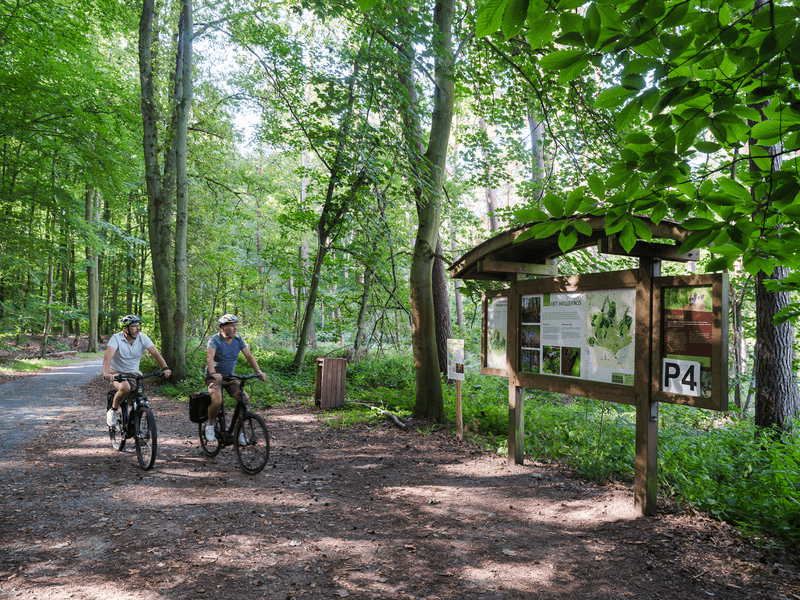
Cycling tourism is a natural fit for this kind of short rural break, generating more than €44 billion annually for Europe. Research suggests that 38% of cycling tourists choose this type of holiday for environmental reasons, actively seeking climate-conscious alternatives. In rural areas, 50–63% of all journeys remain under 5 kilometres, making these regions naturally well-suited to car-free exploration. The Lambic-Geuze route in Flanders shows what this looks like in practice: a 41-kilometre cycling journey through the Pajottenland and Zenne Valley that connects historic breweries with natural attractions and cultural landmarks. Weaving together food, nature, heritage and physical activity into a single day’s ride, this is exactly the kind of layered experience that makes cycling tourism so beneficial for rural economies.
The expansion of the EuroVelo network, which now spans approximately 85,000 kilometres across 17 routes connecting the continent, provides sufficient infrastructure for enabling this demand. In France alone, cycling tourists spend an average of €68 per day; 21% more than other tourists more than regular tourists. For rural destinations, cycling offers a low-impact, high-value form of tourism that disperses visitors across wider geographies and encourages spending in towns and villages that cars tend to bypass.
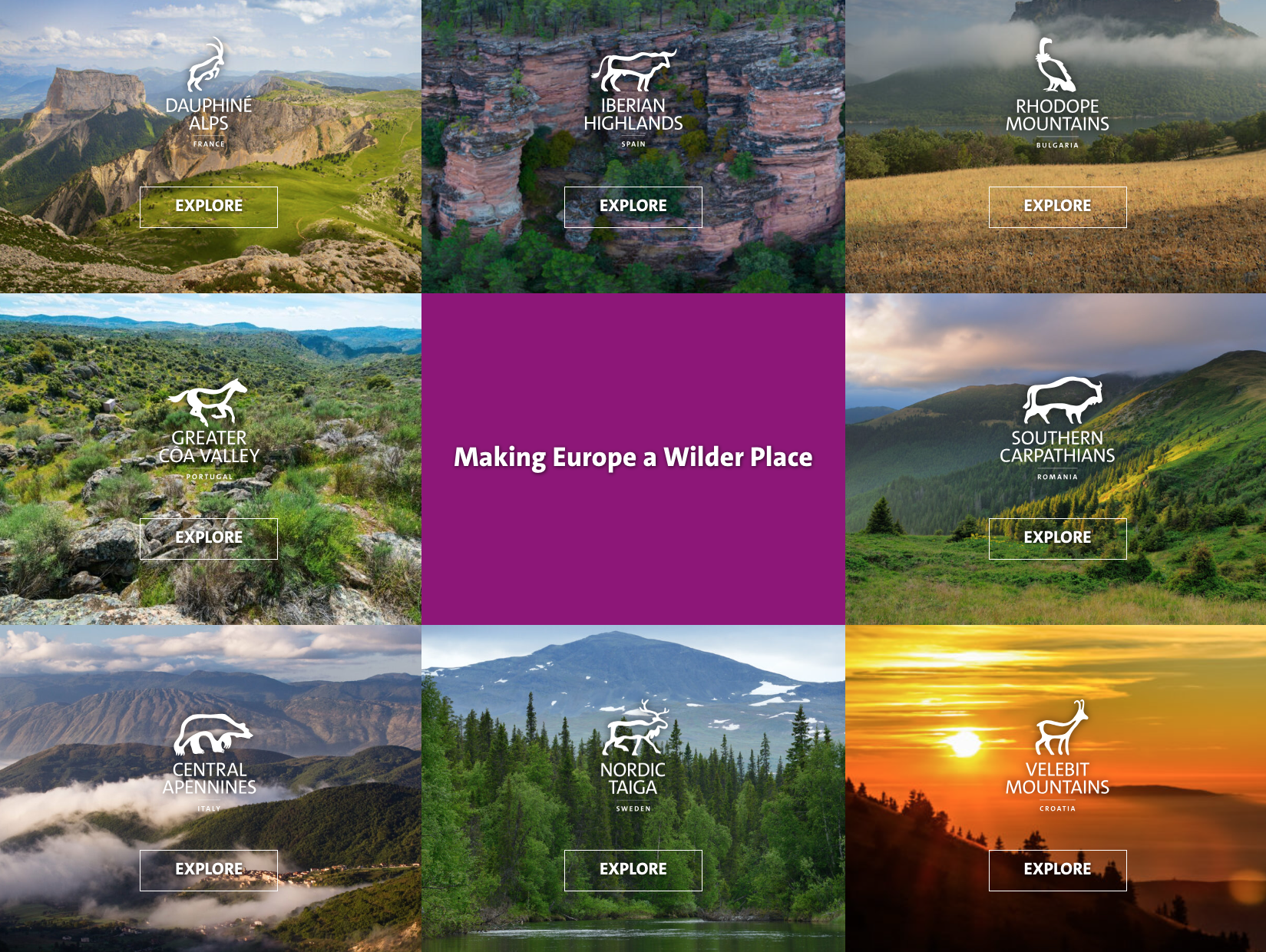
That sense of witnessing something larger than yourself, of being present as a landscape reveals itself, also explains the growing appeal of rewilding retreats. Sitting at the intersection of conservation, education and immersive experience, the rewilding movement, led by organisations such as Rewilding Europe, attracts visitors who want to witness ecological restoration first-hand. Watching a landscape come back to life and seeing species return to places they had vanished from offers visitors a sense of hope and participation in something larger than themselves.
Beyond the conservation impact, rewilding retreats offer a profound mental reset through weekend getaways where the slow pace of a recovering ecosystem helps to refresh the mind. As a result, these experiences carry an emotional weight that distinguishes them from conventional nature tourism. It is a proposition that resonates strongly with younger, environmentally conscious travellers and with the broader growth of nature-positive tourism across Europe. The philosophy of active stewardship is also mirrored by Visit Faroe Islands "Closed for Maintenance" initiative, where the act of giving back to the land becomes the very reason for the journey.
Events and institutional designations can serve as equally effective triggers for short rural breaks, offering visitors a clear reason to choose a destination at a specific moment. Guimarães in northern Portugal, as the 2026 European Green Capital, has designed a year-long programme of green festivals, outdoor events, dance and sustainability workshops planned across the city. This illustrates how smaller, less-known destinations can use institutional recognition to attract new visitors and extend their season.
What is apparent across all five themes is a single, interconnected shift in how travellers value the depth, meaning and quality of rural tourism experiences. For destination managers, it is equally clear that there is a need to invest in the experiences that make rural areas distinctive, support the communities, producers and cultural custodians who bring those experiences to life and tell their stories with the confidence and specificity they deserve.
1 Analysis includes Airbnb's search and booking data spanning 2018 to 2024 across eight key European countries: Belgium, France, Germany, Ireland, Italy, the Netherlands, Spain and the United Kingdom
.webp)