Revitalising Rural Europe: Tourism as a Force for Positive Change
Rural tourism is firmly on the European policy agenda. At a discussion in Brussels on 28 January, as part of European Tourism Week, findings from the recently published Rural Tourism Renaissance Report were shared.
Rural tourism is firmly on the European policy agenda. At a discussion in Brussels on 28 January, as part of European Tourism Week, findings from the recently published Rural Tourism Renaissance Report were shared. During the conversation, Nick Hall, CEO of the Digital Tourism Think Tank, George Mavros, Head of Government Affairs at Airbnb, Sandra Carvão, Director of Economic Intelligence, Policy and Competitiveness at UN Tourism, and Teodora Marinska, COO and Head of Public Affairs at the European Travel Commission (ETC), explored why rural tourism matters. They presented a compelling vision for how communities across Europe can capture a permanent shift in travel demand, revitalising communities that have long felt overlooked. The figures speak for themselves, with Spain alone seeing small municipalities earning over €5.5 billion from tourism each year.
A Resilient Form of Tourism
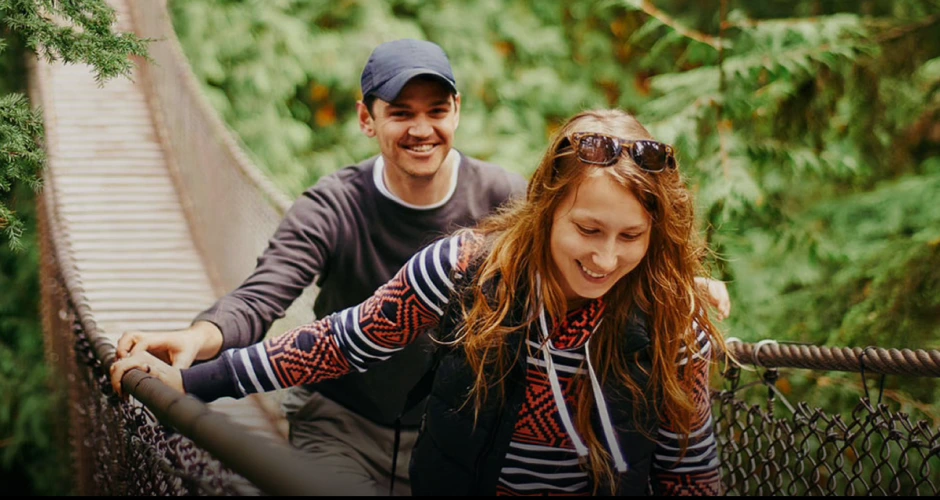
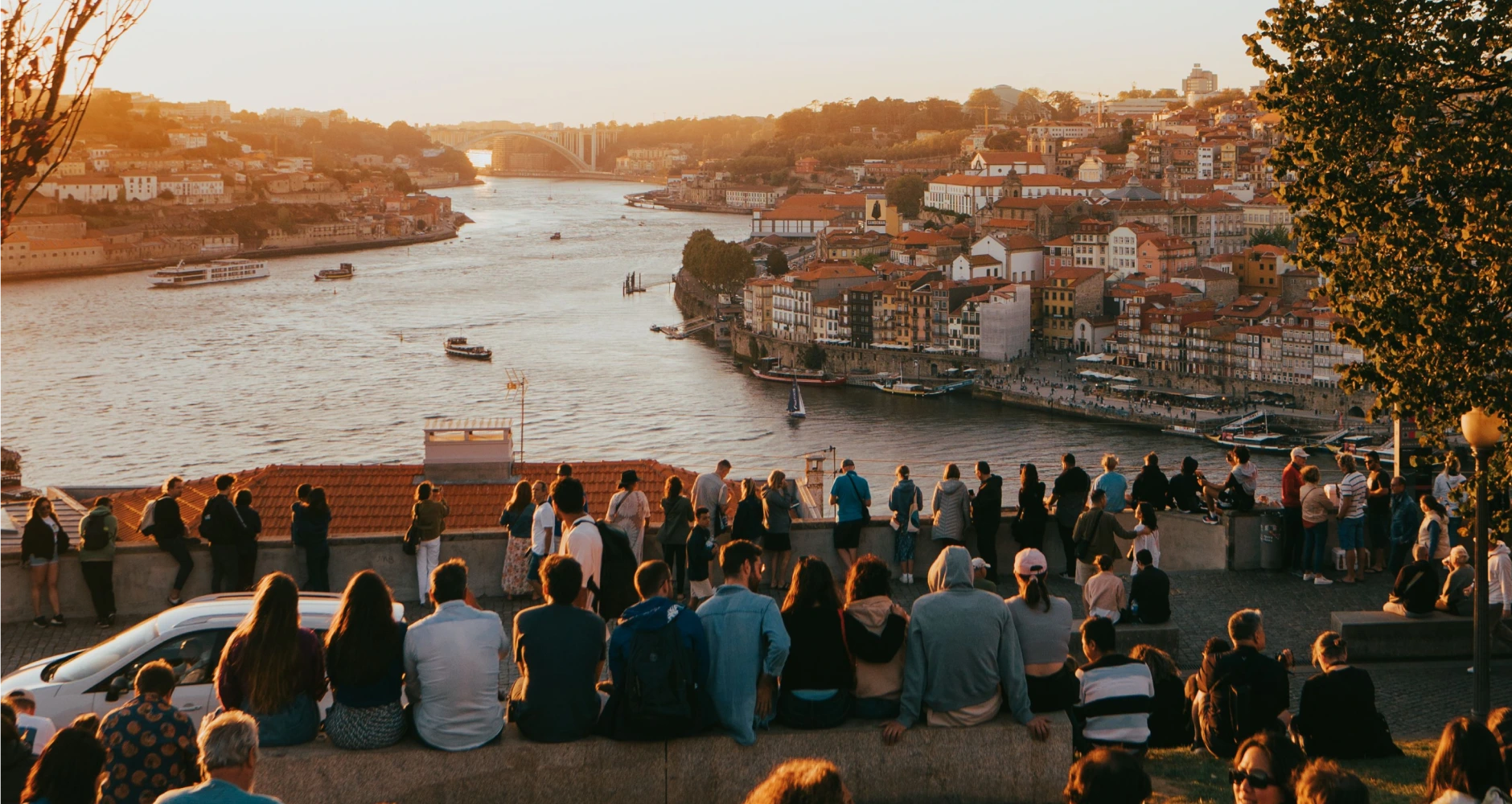
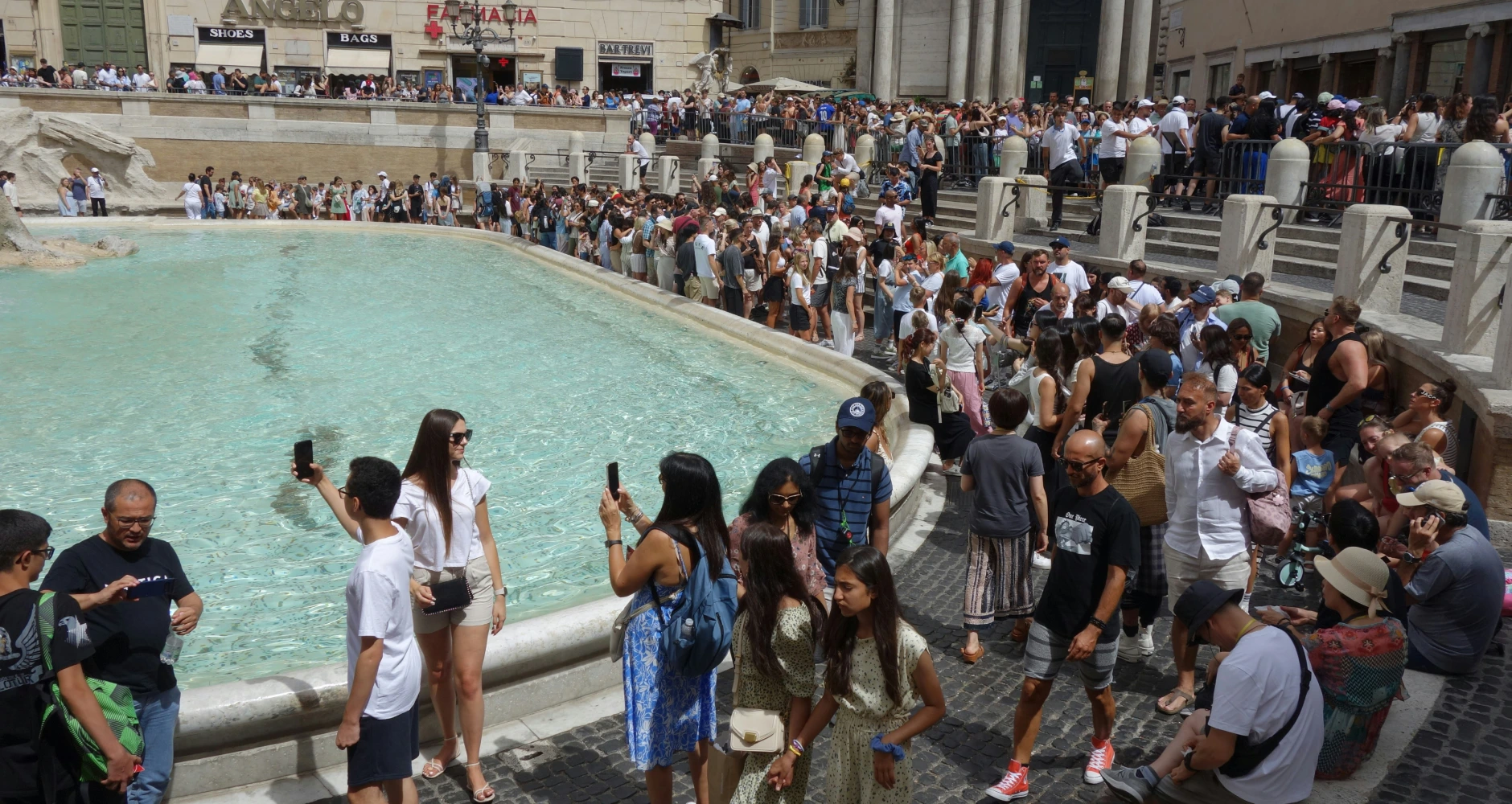
Rural tourism has emerged as one of the most resilient segments. Travellers, particularly Gen Z, are increasingly seeking authentic, off-the-beaten-track experiences. This shift is confirmed by ETC sentiment research showing that 55% of European travellers want to spend holidays away from crowded hotspots. The finding speaks to the transformative impact tourism can have on local communities and its significance as an economic activity.
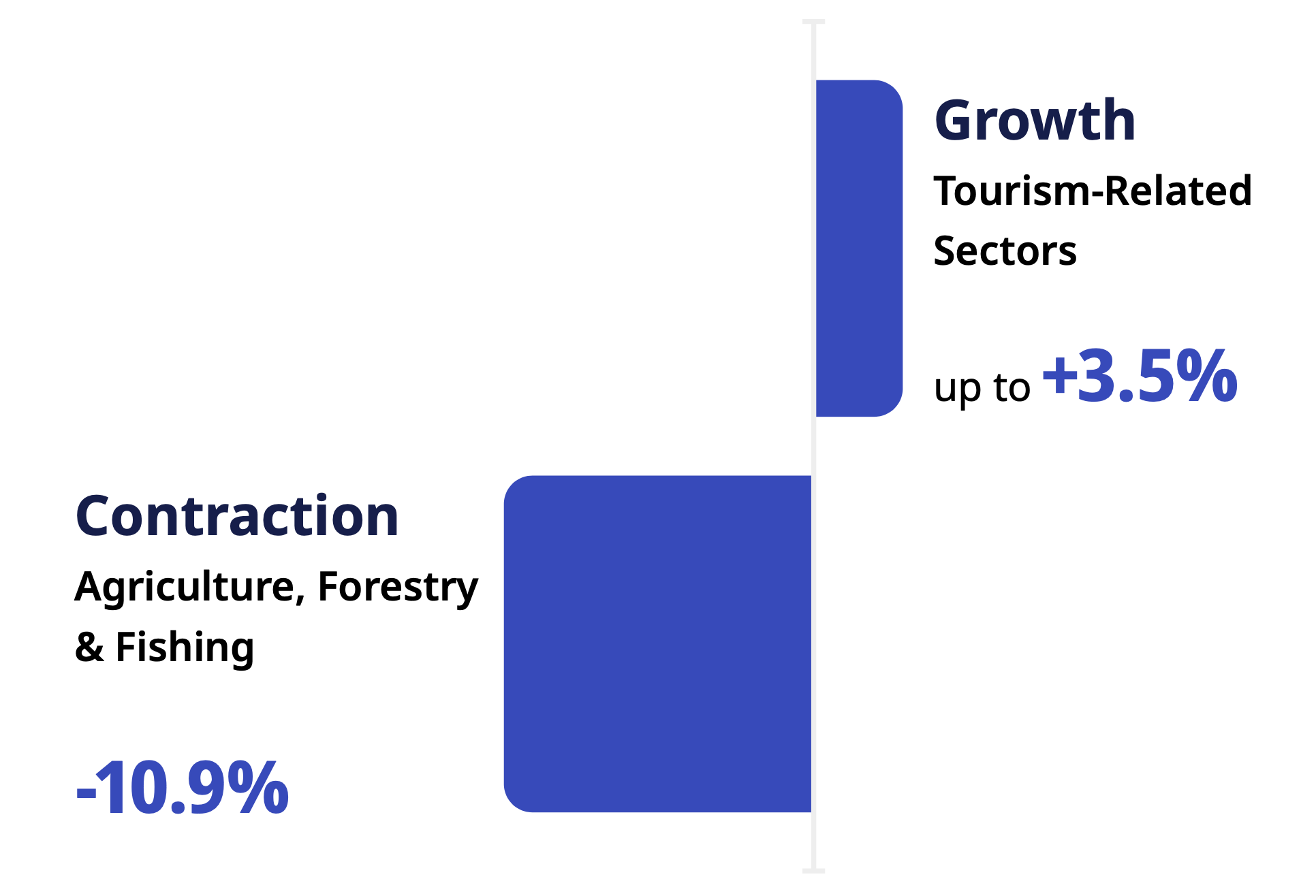
While agricultural employment has declined by more than 10% in rural areas over the past two decades, tourism stands alone as the sector showing consistent growth. "In rural areas, there remains genuine awareness that tourism plays a positive role in keeping communities alive", Teodora observed, noting that the benefits are immediately visible to residents.
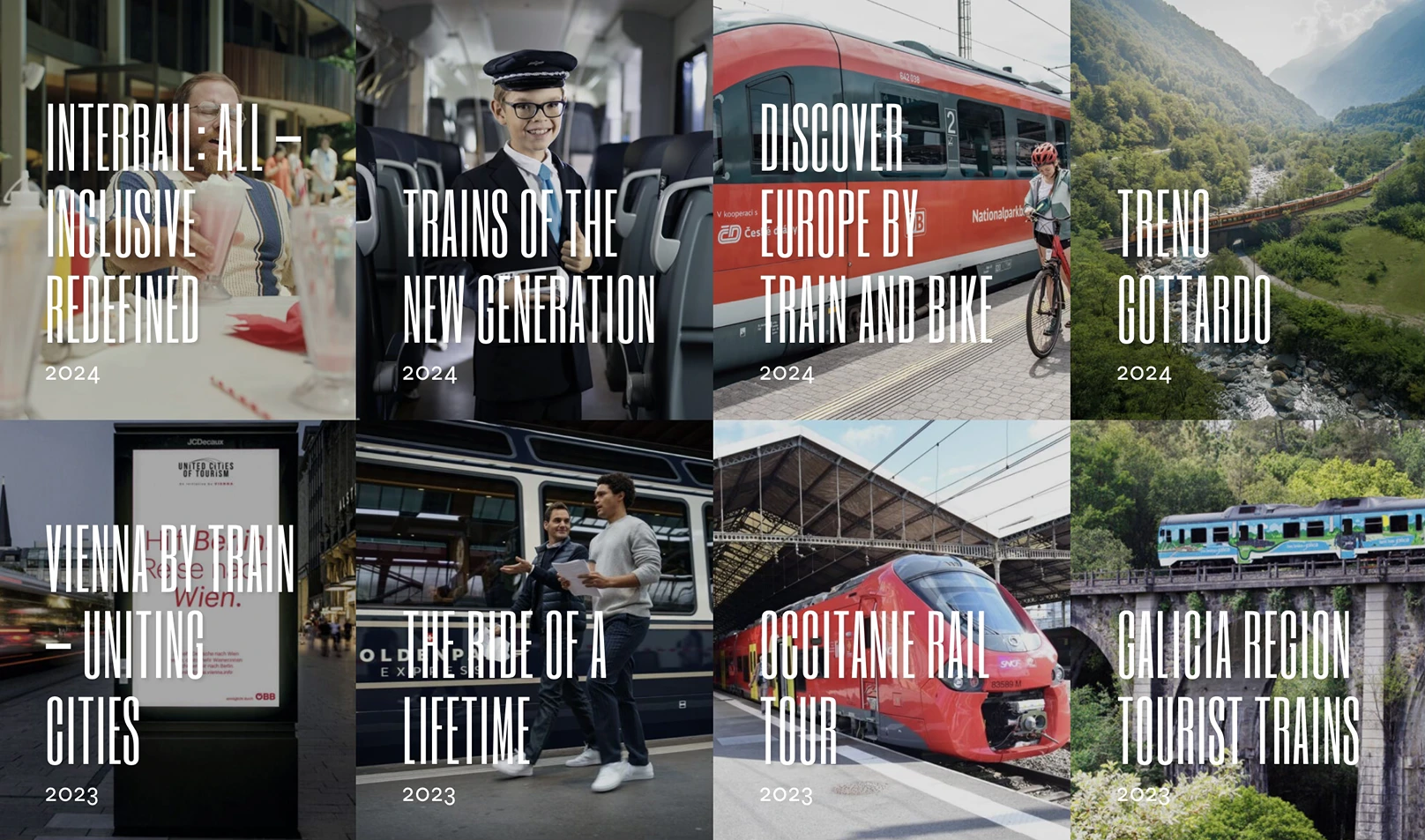
ETC's partnership with Eurail in organising the Rail Tourism Awards demonstrates how strategic collaboration can unlock rural potential. Europe possesses an extraordinary rail network, reaching places that few have heard of. Teodora noted that travellers embracing train journeys tend to seek slower, more immersive experiences. These are precisely the type of visitors that rural destinations want to attract. Sustainable product development through cycling routes, hiking trails and cultural itineraries creates compelling reasons to visit and stay longer.
Yet, accommodation capacity reveals a significant gap. International hotel chains operate in just 4% of rural areas, having largely overlooked this market. In the case of France, hotels exist in approximately 7,000 municipalities, while short-term rentals are available in almost 30,000. This shows the value of distributed accommodation in filling a genuine need, providing what George described as "essential infrastructure that offers flexibility to hosts and guests alike".
Tourism for Rural Development
The framing around rural tourism matters immensely. UN Tourism deliberately speaks of tourism for rural development rather than rural tourism. Sandra explained the distinction, highlighting that rural development encompasses economics, agriculture and regional cohesion. Tourism becomes a thread connecting these domains, working alongside existing rural strengths. Chile provides an instructive example, where the country's agriculture and tourism ministries collaborate closely.
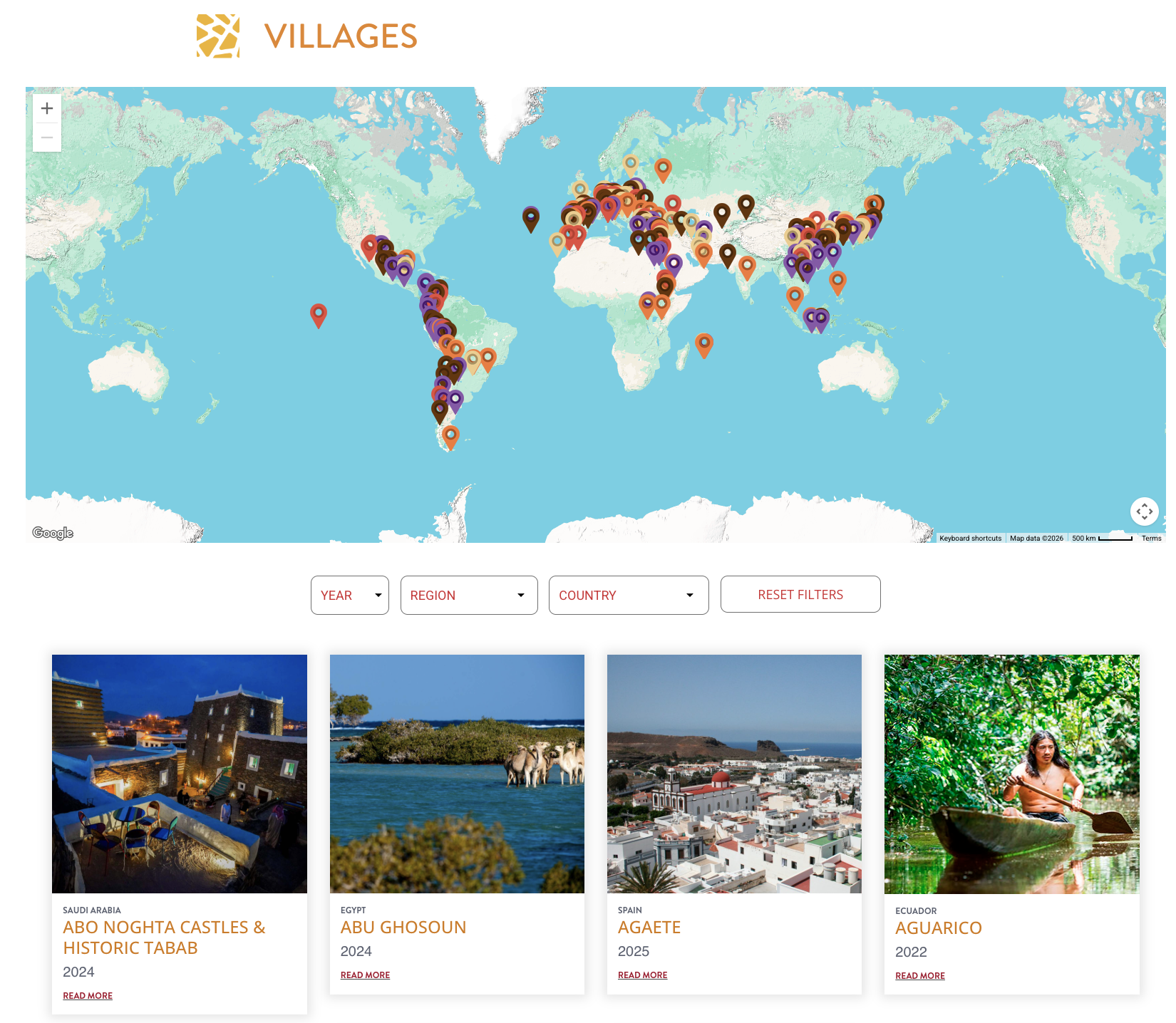
This integrated approach shapes UN Tourism's Best Tourism Villages initiative, which recognises communities for empowering local populations and adding value to their gastronomy and environment. Tourism functions as a social, economic and empowerment driver, but only when local voices shape its direction. Sandra emphasised the importance of "giving the stage to communities, listening to what they want their places to become". This is where the STAR self-assessment tool helps destinations identify their specific gaps, enabling communities to work together to drive the development of tourism.
A stark disconnect exists between rural tourism's economic contribution and the investment it receives. Research conducted by UN Tourism and the European Committee of the Regions found that only 0.5% of funds allocated to rural development went to tourism projects. In contrast, tourism accounts for up to 23% of employment in many remote rural communities. This mismatch demands attention.
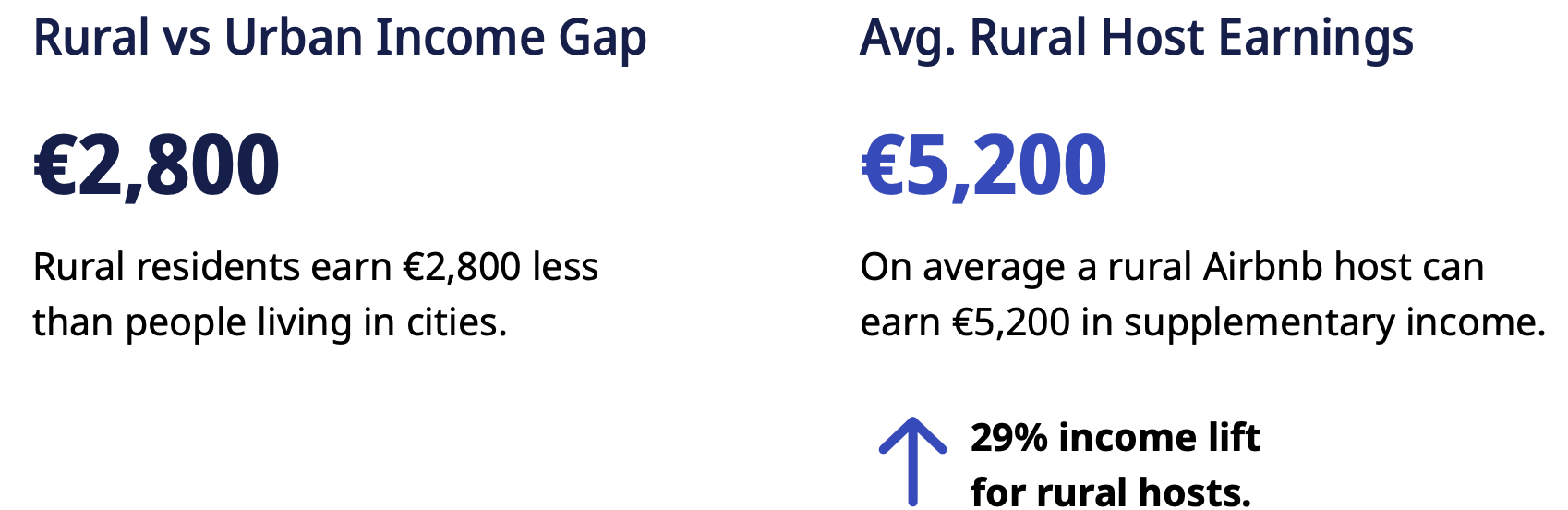
The potential of rural tourism in bridging the urban-rural income gap is also clear. The average rural resident earns €2,800 less than people living in cities. Yet, the average rural Airbnb host earns €5,200 in supplementary income, providing a 29% income lift. The broader economic impact is substantial. For every euro spent, approximately €2.50 flows into surrounding businesses, helping keep shops open and communities viable.
Enhanced capacity for private sector development is also essential. Sandra emphasised that public policies must both target investment toward rural areas and create conditions for businesses to flourish. Work-life balance increasingly matters to younger generations, but this requires improved digital connectivity and enhanced essential services. This infrastructure is essential in encouraging people to consider careers in rural destinations.
Championing Community Pride
Introducing an often-overlooked dimension, Sandra noted that among Best Tourism Villages, the greatest benefit reported two or three years after recognition is community pride. Such intangible value underpins the economic opportunity. This sentiment was also shared by Teodora, who articulated the importance of the pride that comes from remaining in one's hometown. Young people are naturally drawn to novelty and challenge, she acknowledged, "but tourism brings the interesting part of the world to you."
Tourism also provides unique opportunities to develop soft skills, including empathy, communication and interpersonal sensitivity. In an AI-influenced economy, these human-centred capabilities will become increasingly valuable. ETC has supported the publication of children's books illustrating the multifaceted nature of tourism careers, helping young people understand that the sector encompasses far more than traditional roles.
Empathy and community involvement prove critical in translating this community pride into quality visitor experiences. DMOs must consider how they can involve communities in sharing the sentiment gleaned from conversations with travellers. Online reviews and forums provide some insight, but immediate feedback matters more. This direct connection between residents and visitors strengthens both the experience delivered and the community's stake in tourism success.
A Regenerative Focus
The concept of regenerative tourism provides a renewed sense of purpose. As Teodora asks, "Did we really get a better place because of tourism? Did tourism use our space, or did it make it better?" This challenges the sector to measure success beyond arrivals and revenue. Such regeneration depends on regional cohesion policies that connect local ambition with national resources.
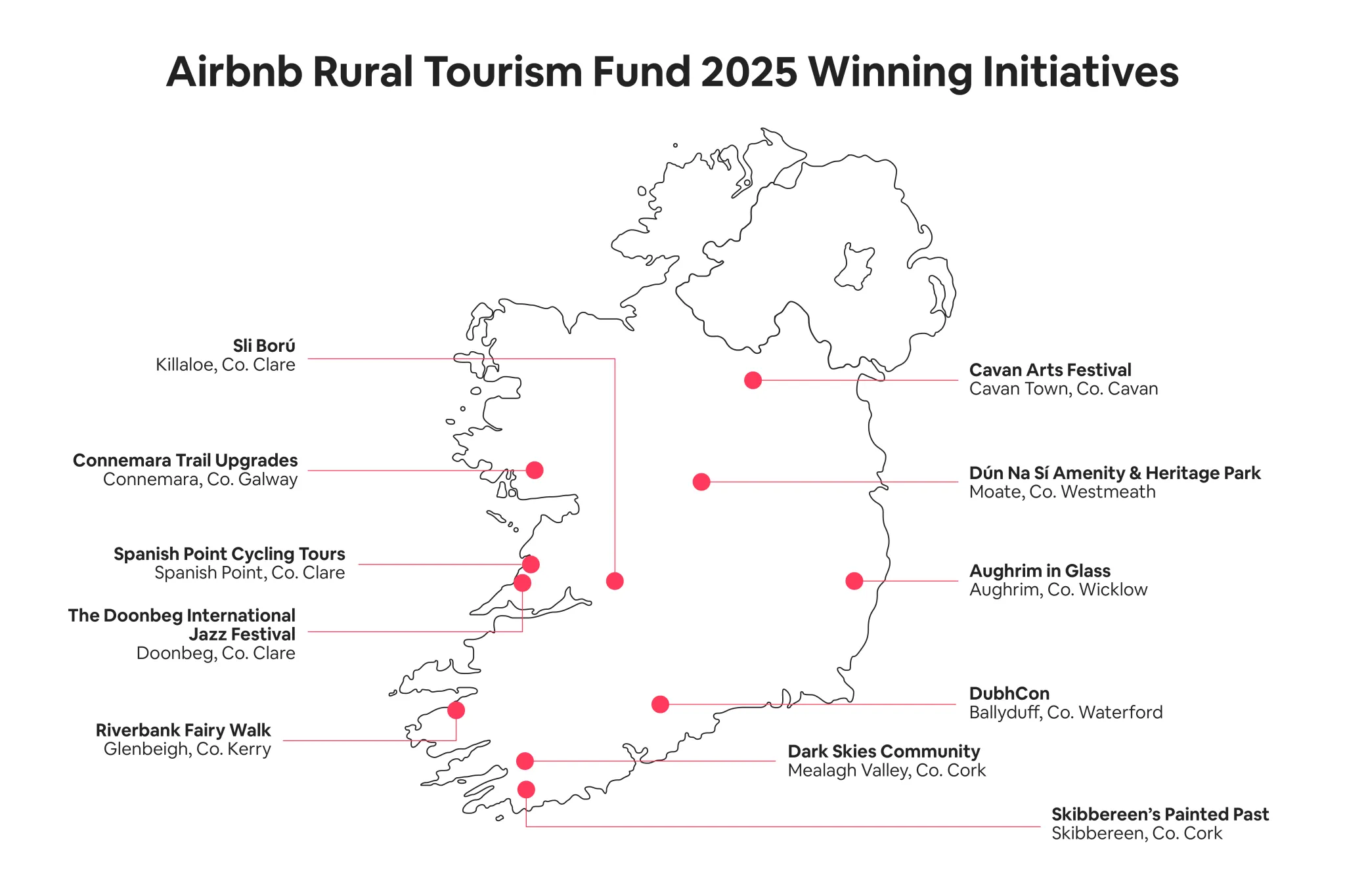
Rural accommodation often provides the most authentic experience a visitor encounters. A farmhouse with generations of history or a cottage in a landscape shaped by traditional practices are not substitutes for hotels, but a distinctive offer that creates a genuine connection with place. Airbnb's Rural Tourism Fund and Best of British Fundaresupporting communities in Ireland and the UK to develop the potential of rural tourism experiences. This approach recognises that hosts themselves become ambassadors for their regions.
DMOs have significant work ahead in bridging the gap between tourism experiences and traveller expectations. Teodora described ETC's approach to this challenge by reframing perceived disadvantages as distinctive advantages. This uniqueness represents what ETC calls an unexpected upgrade. "Travel is supposed to change us for the better."
Policy Implementation Challenges
The challenges facing rural communities are well-documented. Sandra noted how access to finance, infrastructure gaps and skills shortages emerge consistently as the top three concerns among over a thousand rural villages engaged in UN Tourism programmes. A holistic approach proves essential because infrastructure development is often decided by senior government officials. Without engagement from regional or national authorities, local ambitions cannot be realised.
Rural tourism remains persistently underinvested despite clear evidence of its contribution. While the macro picture exists, granular data answering specific questions about rural tourism patterns proves harder to obtain. Data availability often diminishes significantly for smaller communities, making it difficult to build compelling investment cases.
Nevertheless, George offered a pointed observation that policy discussions often reflect realities from five or ten years ago rather than current market conditions. "We do not necessarily keep track of the market changes underway, and this is a significant one", he noted. Regulation must embrace how people travel today, including the purpose-driven journeys and longer rural stays that characterise demand.
DMOs serve as the critical point of contact between what destinations offer and what travellers desire. Matching these effectively requires both strategic vision and practical capability. Public authorities, EU institutions and the private sector must work together on data-driven, non-polarised dialogue. Policy must acknowledge and engage with the reality that there has been a permanent demand shift toward rural destinations.
Teodora also offered a direct diagnosis: "Policy decisions and politics are based on emotions. We need to really go back to the evidence". The EU's short-term rental regulation now requires member states to collect transparent accommodation data, yet local policymakers do not always base decisions on available evidence. A mindset shift is required, one that prioritises data over intuition and strategic planning over reactive management.
Shaping the Future of Rural Tourism
The panel's closing discussion revealed a shared conviction that rural tourism's moment has arrived. Realising this potential requires coordinated action across multiple fronts. Several priorities emerged as essential for translating this opportunity into lasting community benefits, ensuring the economic and social opportunities required for people to stay in rural communities:
Tourism must be integrated into broader rural development strategies: Cross-cutting approaches that connect tourism with agriculture, regional development, education and infrastructure planning will prove far more effective than isolated initiatives. National and local governments need mechanisms for coordination that ensure resources reach communities with genuine potential.
Strategic foresight must replace reactive management: Rural tourism will continue to grow as travellers increasingly seek authentic experiences. Destinations need management plans that anticipate this growth, developing the skills, infrastructure and governance structures to capture demand sustainably. Overcoming the skills gap requires investment in destination management capabilities at both regional and local levels.
Policy frameworks must emphasise opportunity: Data-driven dialogue between public authorities and the private sector offers the most constructive path forward. Regulation should also reflect current market realities, including the significant role that distributed accommodation now plays in rural economies.
Oops! Something went wrong while submitting the form.
Rural tourism is firmly on the European policy agenda. At a discussion in Brussels on 28 January, as part of European Tourism Week, findings from the recently published Rural Tourism Renaissance Report were shared. During the conversation, Nick Hall, CEO of the Digital Tourism Think Tank, George Mavros, Head of Government Affairs at Airbnb, Sandra Carvão, Director of Economic Intelligence, Policy and Competitiveness at UN Tourism, and Teodora Marinska, COO and Head of Public Affairs at the European Travel Commission (ETC), explored why rural tourism matters. They presented a compelling vision for how communities across Europe can capture a permanent shift in travel demand, revitalising communities that have long felt overlooked. The figures speak for themselves, with Spain alone seeing small municipalities earning over €5.5 billion from tourism each year.
A Resilient Form of Tourism
Rural tourism has emerged as one of the most resilient segments. Travellers, particularly Gen Z, are increasingly seeking authentic, off-the-beaten-track experiences. This shift is confirmed by ETC sentiment research showing that 55% of European travellers want to spend holidays away from crowded hotspots. The finding speaks to the transformative impact tourism can have on local communities and its significance as an economic activity.
While agricultural employment has declined by more than 10% in rural areas over the past two decades, tourism stands alone as the sector showing consistent growth. "In rural areas, there remains genuine awareness that tourism plays a positive role in keeping communities alive", Teodora observed, noting that the benefits are immediately visible to residents.
ETC's partnership with Eurail in organising the Rail Tourism Awards demonstrates how strategic collaboration can unlock rural potential. Europe possesses an extraordinary rail network, reaching places that few have heard of. Teodora noted that travellers embracing train journeys tend to seek slower, more immersive experiences. These are precisely the type of visitors that rural destinations want to attract. Sustainable product development through cycling routes, hiking trails and cultural itineraries creates compelling reasons to visit and stay longer.
Yet, accommodation capacity reveals a significant gap. International hotel chains operate in just 4% of rural areas, having largely overlooked this market. In the case of France, hotels exist in approximately 7,000 municipalities, while short-term rentals are available in almost 30,000. This shows the value of distributed accommodation in filling a genuine need, providing what George described as "essential infrastructure that offers flexibility to hosts and guests alike".
Tourism for Rural Development
The framing around rural tourism matters immensely. UN Tourism deliberately speaks of tourism for rural development rather than rural tourism. Sandra explained the distinction, highlighting that rural development encompasses economics, agriculture and regional cohesion. Tourism becomes a thread connecting these domains, working alongside existing rural strengths. Chile provides an instructive example, where the country's agriculture and tourism ministries collaborate closely.
This integrated approach shapes UN Tourism's Best Tourism Villages initiative, which recognises communities for empowering local populations and adding value to their gastronomy and environment. Tourism functions as a social, economic and empowerment driver, but only when local voices shape its direction. Sandra emphasised the importance of "giving the stage to communities, listening to what they want their places to become". This is where the STAR self-assessment tool helps destinations identify their specific gaps, enabling communities to work together to drive the development of tourism.
A stark disconnect exists between rural tourism's economic contribution and the investment it receives. Research conducted by UN Tourism and the European Committee of the Regions found that only 0.5% of funds allocated to rural development went to tourism projects. In contrast, tourism accounts for up to 23% of employment in many remote rural communities. This mismatch demands attention.
The potential of rural tourism in bridging the urban-rural income gap is also clear. The average rural resident earns €2,800 less than people living in cities. Yet, the average rural Airbnb host earns €5,200 in supplementary income, providing a 29% income lift. The broader economic impact is substantial. For every euro spent, approximately €2.50 flows into surrounding businesses, helping keep shops open and communities viable.
Enhanced capacity for private sector development is also essential. Sandra emphasised that public policies must both target investment toward rural areas and create conditions for businesses to flourish. Work-life balance increasingly matters to younger generations, but this requires improved digital connectivity and enhanced essential services. This infrastructure is essential in encouraging people to consider careers in rural destinations.
Championing Community Pride
Introducing an often-overlooked dimension, Sandra noted that among Best Tourism Villages, the greatest benefit reported two or three years after recognition is community pride. Such intangible value underpins the economic opportunity. This sentiment was also shared by Teodora, who articulated the importance of the pride that comes from remaining in one's hometown. Young people are naturally drawn to novelty and challenge, she acknowledged, "but tourism brings the interesting part of the world to you."
Tourism also provides unique opportunities to develop soft skills, including empathy, communication and interpersonal sensitivity. In an AI-influenced economy, these human-centred capabilities will become increasingly valuable. ETC has supported the publication of children's books illustrating the multifaceted nature of tourism careers, helping young people understand that the sector encompasses far more than traditional roles.
Empathy and community involvement prove critical in translating this community pride into quality visitor experiences. DMOs must consider how they can involve communities in sharing the sentiment gleaned from conversations with travellers. Online reviews and forums provide some insight, but immediate feedback matters more. This direct connection between residents and visitors strengthens both the experience delivered and the community's stake in tourism success.
A Regenerative Focus
The concept of regenerative tourism provides a renewed sense of purpose. As Teodora asks, "Did we really get a better place because of tourism? Did tourism use our space, or did it make it better?" This challenges the sector to measure success beyond arrivals and revenue. Such regeneration depends on regional cohesion policies that connect local ambition with national resources.
Rural accommodation often provides the most authentic experience a visitor encounters. A farmhouse with generations of history or a cottage in a landscape shaped by traditional practices are not substitutes for hotels, but a distinctive offer that creates a genuine connection with place. Airbnb's Rural Tourism Fund and Best of British Fundaresupporting communities in Ireland and the UK to develop the potential of rural tourism experiences. This approach recognises that hosts themselves become ambassadors for their regions.
DMOs have significant work ahead in bridging the gap between tourism experiences and traveller expectations. Teodora described ETC's approach to this challenge by reframing perceived disadvantages as distinctive advantages. This uniqueness represents what ETC calls an unexpected upgrade. "Travel is supposed to change us for the better."
Policy Implementation Challenges
The challenges facing rural communities are well-documented. Sandra noted how access to finance, infrastructure gaps and skills shortages emerge consistently as the top three concerns among over a thousand rural villages engaged in UN Tourism programmes. A holistic approach proves essential because infrastructure development is often decided by senior government officials. Without engagement from regional or national authorities, local ambitions cannot be realised.
Rural tourism remains persistently underinvested despite clear evidence of its contribution. While the macro picture exists, granular data answering specific questions about rural tourism patterns proves harder to obtain. Data availability often diminishes significantly for smaller communities, making it difficult to build compelling investment cases.
Nevertheless, George offered a pointed observation that policy discussions often reflect realities from five or ten years ago rather than current market conditions. "We do not necessarily keep track of the market changes underway, and this is a significant one", he noted. Regulation must embrace how people travel today, including the purpose-driven journeys and longer rural stays that characterise demand.
DMOs serve as the critical point of contact between what destinations offer and what travellers desire. Matching these effectively requires both strategic vision and practical capability. Public authorities, EU institutions and the private sector must work together on data-driven, non-polarised dialogue. Policy must acknowledge and engage with the reality that there has been a permanent demand shift toward rural destinations.
Teodora also offered a direct diagnosis: "Policy decisions and politics are based on emotions. We need to really go back to the evidence". The EU's short-term rental regulation now requires member states to collect transparent accommodation data, yet local policymakers do not always base decisions on available evidence. A mindset shift is required, one that prioritises data over intuition and strategic planning over reactive management.
Shaping the Future of Rural Tourism
The panel's closing discussion revealed a shared conviction that rural tourism's moment has arrived. Realising this potential requires coordinated action across multiple fronts. Several priorities emerged as essential for translating this opportunity into lasting community benefits, ensuring the economic and social opportunities required for people to stay in rural communities:
Tourism must be integrated into broader rural development strategies: Cross-cutting approaches that connect tourism with agriculture, regional development, education and infrastructure planning will prove far more effective than isolated initiatives. National and local governments need mechanisms for coordination that ensure resources reach communities with genuine potential.
Strategic foresight must replace reactive management: Rural tourism will continue to grow as travellers increasingly seek authentic experiences. Destinations need management plans that anticipate this growth, developing the skills, infrastructure and governance structures to capture demand sustainably. Overcoming the skills gap requires investment in destination management capabilities at both regional and local levels.
Policy frameworks must emphasise opportunity: Data-driven dialogue between public authorities and the private sector offers the most constructive path forward. Regulation should also reflect current market realities, including the significant role that distributed accommodation now plays in rural economies.





.svg)