Marketing
From Vanity Metrics to Shared Digital Accountability
Destination marketing is shifting from vanity metrics to shared digital measurement that proves real impact, value and accountability.
Featuring
Sojern & Digital Tourism Think Tank

Destination marketing is shifting from vanity metrics to shared digital measurement that proves real impact, value and accountability.
Destination marketing has long grappled with a fundamental paradox: while DMOs invest significant resources in promotional campaigns, the ability to demonstrate genuine return on that investment has remained frustratingly elusive. Luca Romozzi, Commercial Director - Europe at Sojern, captured this tension with a phrase called "spray and pray” that reflects a culture where budgets are allocated in the hope of positive outcomes. This approach is increasingly untenable in an era of tightening public finances and heightened stakeholder expectations. Luca explored how the fundamental shift toward digital consumer behaviour is creating unprecedented opportunities to move beyond vanity metrics toward genuine accountability.
Destination marketing has long grappled with a fundamental paradox: while DMOs invest significant resources in promotional campaigns, the ability to demonstrate genuine return on that investment has remained frustratingly elusive. Luca Romozzi, Commercial Director - Europe at Sojern, captured this tension with a phrase called "spray and pray” that reflects a culture where budgets are allocated in the hope of positive outcomes. This approach is increasingly untenable in an era of tightening public finances and heightened stakeholder expectations. Luca explored how the fundamental shift toward digital consumer behaviour is creating unprecedented opportunities to move beyond vanity metrics toward genuine accountability.
Destination marketing has long grappled with a fundamental paradox: while DMOs invest significant resources in promotional campaigns, the ability to demonstrate genuine return on that investment has remained frustratingly elusive. Luca Romozzi, Commercial Director - Europe at Sojern, captured this tension with a phrase called "spray and pray” that reflects a culture where budgets are allocated in the hope of positive outcomes. This approach is increasingly untenable in an era of tightening public finances and heightened stakeholder expectations. Luca explored how the fundamental shift toward digital consumer behaviour is creating unprecedented opportunities to move beyond vanity metrics toward genuine accountability.
The transformation in how travellers research, plan and book their holidays has fundamentally altered what is measurable. Previously, destination marketers relied almost exclusively on national statistics, retrospective surveys and, occasionally, hotel data to understand campaign effectiveness. A campaign would generate media coverage, and months later, tourism arrival figures might show growth that could be tentatively attributed to those efforts. However, this was essentially disconnected from the actual marketing activity it purported to measure.
The visitor journey today is almost entirely digital. This carries profound implications for measurement capability. Every search query, every destination website visit, every booking platform interaction leaves traces that can be captured, analysed and attributed. Where the gap between a campaign and a visit was once hidden from view, DMOs can now pinpoint every interaction and understand the specific behaviours that lead a visitor to their destination.
The recognition that the visitor journey has become increasingly fragmented adds complexity but also richness to the available data. Research from several years ago suggested travellers encountered approximately 100 touchpoints during their planning process. That figure has likely increased exponentially as social media, review platforms, comparison sites and AI-powered discovery tools have multiplied the channels through which destination impressions are formed. Each of these interactions represents a measurable moment, creating an abundance of data about how travellers move from initial awareness to final booking.
However, the abundance of data does not automatically translate into insight. Many destinations find themselves data-rich but intelligence-poor, struggling to connect how a visitor passes through the journey across different channels. This often stems from marketing teams operating in isolation from research departments, creating silos that prevent the integration of campaign data with behavioural insights.
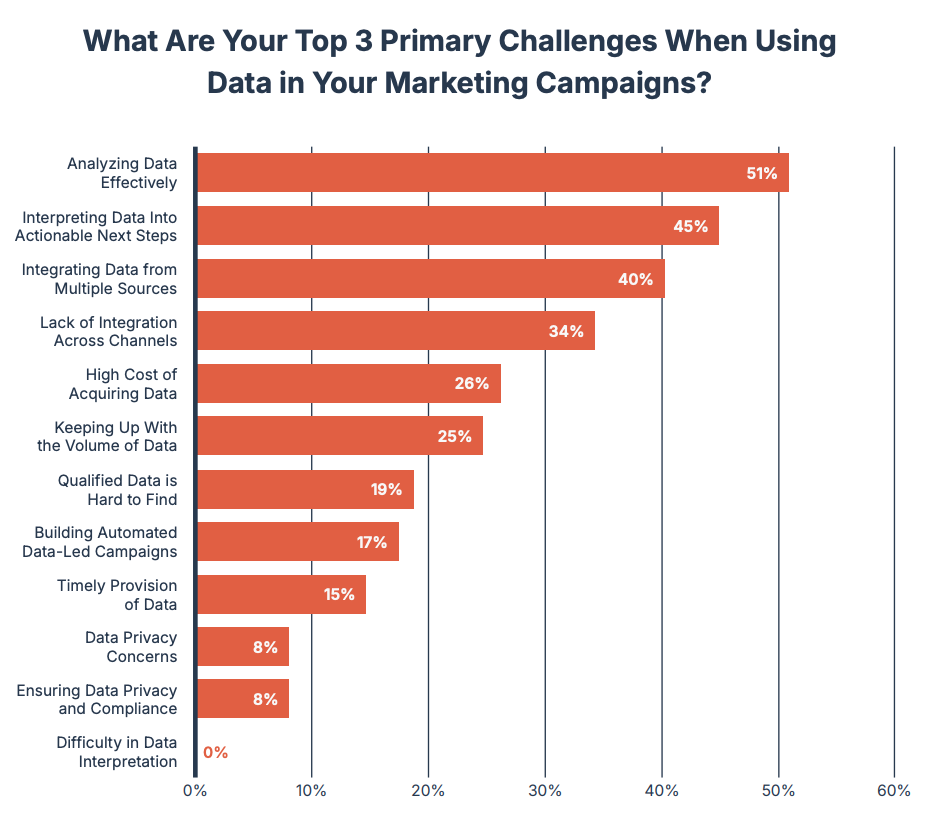
Vanity metrics have become the default for destination marketing reporting because they are easy to capture and benchmark. Impressions, clicks, reach and engagement rates populate countless campaign reports and stakeholder presentations. They provide a sense of activity and progress, offering proof that audiences have been reached. But as Luca noted, no stakeholder is genuinely satisfied with such metrics alone. Businesses want to know whether campaigns are driving bookings. Governments want to understand the economic impact. Local communities want evidence that marketing investment is translating into sustainable visitor economies.
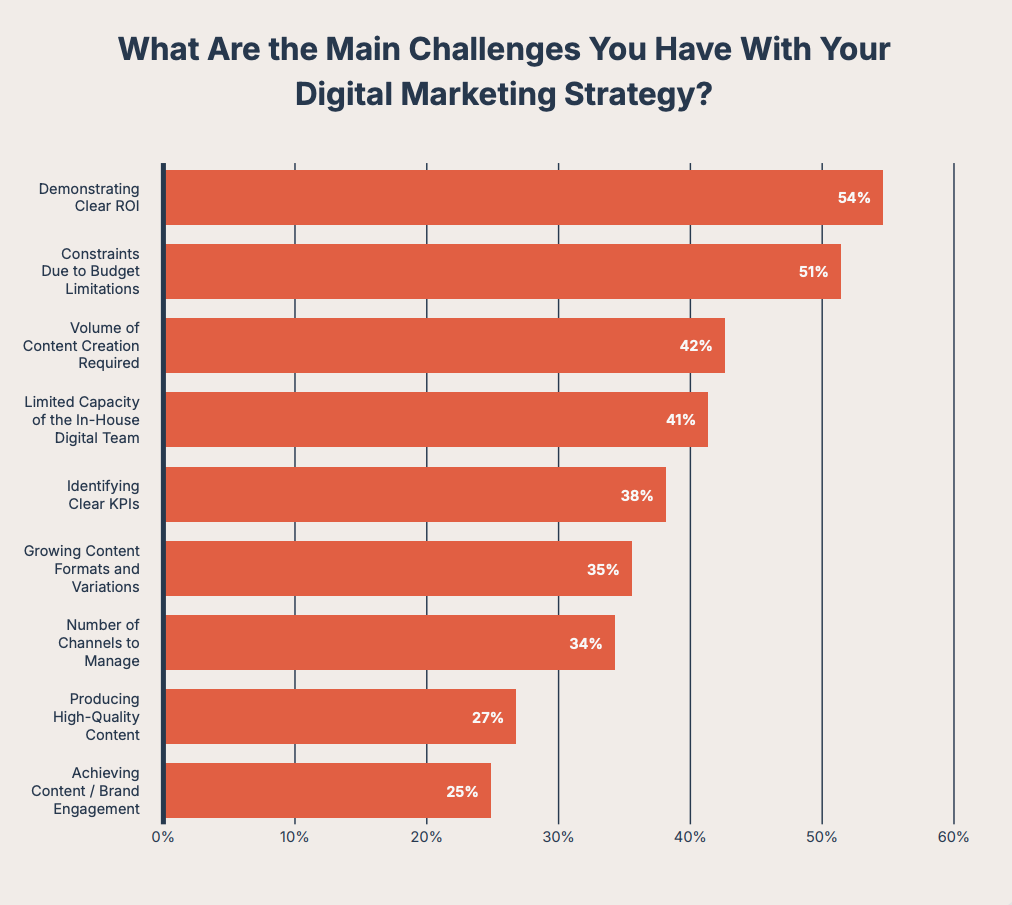
The gap between what is reported and what stakeholders actually need to know represents one of the most significant challenges facing DMOs. This disconnect becomes particularly acute during periods of budget pressure. As Luca observed, the industry appears to be entering a period of significant cuts. The question "What kind of impact do you drive?" is being posed with greater frequency and urgency. Organisations that cannot answer convincingly risk finding their budgets reduced or eliminated entirely.
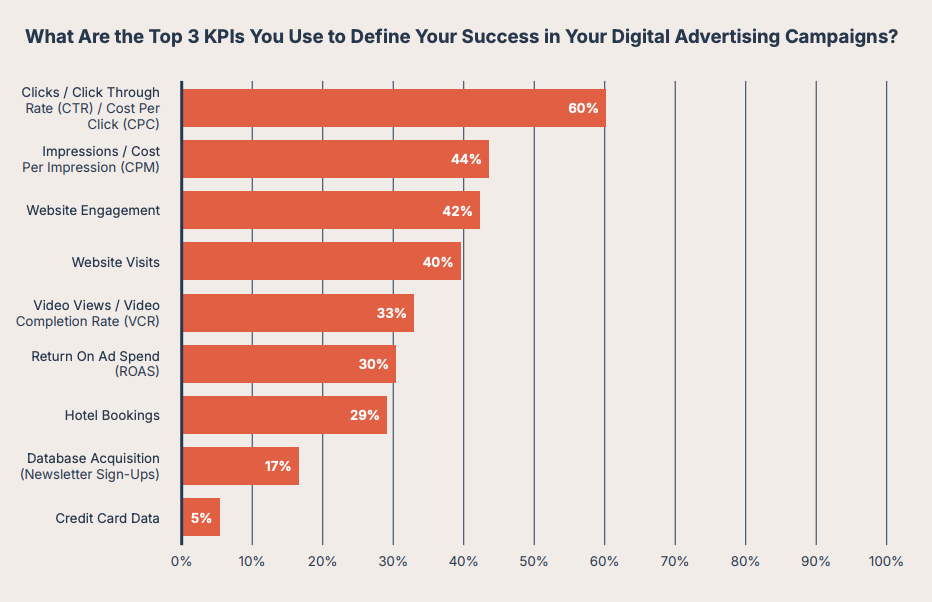
The solution requires a fundamental rethinking of measurement frameworks. Rather than treating measurement as a reporting exercise, it must be integrated into campaign planning from the outset. When discussing media plans, DMOs should simultaneously discuss their measurement framework. Knowing in advance what results will be tracked, and how, transforms measurement from a retrospective justification into a strategic discipline.
Effective measurement frameworks must extend beyond media metrics to capture behaviour change and value creation. A framework dependent solely on visibility and top-funnel engagement fails to answer the essential questions. Did the campaign actually change consumer behaviour? Did marketing activity translate into travel outcomes?
When a destination promotes specific experiences, the measurement framework should track whether audiences exposed to that messaging subsequently demonstrated corresponding travel behaviour. Similarly, value is defined more broadly than simple return on investment. Volume is one metric, but dispersal may matter more. A destination seeking to manage overtourism while developing rural regions should not measure success purely by booking numbers. Instead, a scoring system might weight different outcomes accordingly. This approach allows measurement to reflect actual destination strategy rather than defaulting to volume as the sole indicator of success.
Tracking systems can now follow millions of travellers through their booking behaviour, enabling destinations to measure whether campaigns generated the right kind of activity in the right locations. This represents a fundamental shift from treating all tourism outcomes as equivalent to recognising that different outcomes carry different strategic value. However, no DMO can achieve comprehensive measurement alone. The data required to track visitors from inspiration through to arrival exists across multiple platforms, systems and partners. Creating a network of partnerships becomes essential for delivering the return on investment that stakeholders demand.
This approach represents an evolution in how technology partners work with destinations. Rather than offering single-point solutions, effective partners now focus on building connected systems that can track travellers across the entire journey. These bring together booking data, behavioural signals and campaign performance in ways that individual tools cannot achieve in isolation. For smaller destinations with limited budgets, the partnership model offers particular advantages. Working with partners who have established measurement infrastructure allows even rural destinations to access capabilities that would be hard to build independently.
The partnership approach also addresses the tension between a DMO's promotional role and the commercial expectations of industry partners. The fundamental purpose of DMOs remains destination promotion in the public interest. Yet, they must demonstrate value to the industry partners who contribute to and benefit from their activities. By structuring campaigns so that partners seeking specific performance outcomes can invest in those elements, while the DMO maintains focus on broader promotional goals, this approach allows different stakeholders to pursue different objectives within a coherent framework.

Commercial Director, Europe
Sojern

Founder & CEO
Digital Tourism Think Tank