Sustainability Fees Are Reshaping Destination Reputation
Tourism has brought prosperity to destinations worldwide, but that success has come with growing pressures. Popular cities and regions face the challenge of managing visitor numbers alongside resident quality of life.
DTTT Knowledge Team
29 Jan 2026
In this piece
Tourism has brought prosperity to destinations worldwide, but that success has come with growing pressures. Popular cities and regions face the challenge of managing visitor numbers alongside resident quality of life. Infrastructure strains under seasonal demand, natural environments need protection and communities want tourism to deliver benefits beyond economic growth.
These pressures have reshaped how DMOs think about their responsibilities. Attracting visitors remains important, but so does ensuring tourism operates within environmental and social limits. Addressing these challenges requires investment, and many destinations have turned to taxation to fund it.
Tourism Taxes as a Policy Response
The principle behind tourist taxes is clear: visitors contribute to help maintain the places they visit. The approach has become a standard for destinations worldwide.
Venice now charges day-trippers up to €5, Lisbon charges €4 per night and Edinburgh will implement a 5% levy from July 2026. Amsterdam’s tourist tax generates an estimated €260 million annually, while the Balearic Islands have channelled over €860 million from visitor fees into local projects since 2016.
Yet, as these fees have proliferated, questions have followed. Do they genuinely address the pressures destinations face, or do they simply monetise tourism’s presence? The answer depends largely on how destinations justify them and choose to use the revenue collected.
Perspectives on the Approach
Tourism taxes offer real advantages. They provide dedicated funding for destination management, help spread economic benefits across communities and can encourage travel during quieter periods or to lesser-known areas. The act of paying may also prompt visitors to value destinations more consciously.
However, criticism also persists. Industry voices argue that taxes reduce competitiveness, particularly in price-sensitive markets. Small businesses worry about administrative complexity, while others even question whether fees address underlying challenges or merely generate revenue from them. Concerns about fairness also surface: could these charges price certain travellers out?
Tourism businesses remain cautious, fearing higher charges will deter visitors. Winning industry support often requires demonstrating that revenues benefit the broader tourism ecosystem. In Manchester, an accommodation levy introduced through a Business Improvement District gained acceptance by channelling funds into tourism promotion and conferences.
These debates matter, but they often focus on the wrong question. The real issue is not whether destinations should introduce fees, it is whether they can demonstrate that those taxes lead to meaningful outcomes. This is where a notable shift has occurred.
The Sustainability Reframe
What DMOs once called tourist taxes are increasingly positioned as sustainability fees or environmental levies. The change in terminology reflects a change in strategy.
Framing fees around sustainability moves the conversation from what visitors pay to what their payment achieves. The charge becomes a contribution to environmental protection, cultural preservation or community resilience. This positioning resonates with evolving traveller expectations and provides destinations with a clearer narrative to justify the fee.
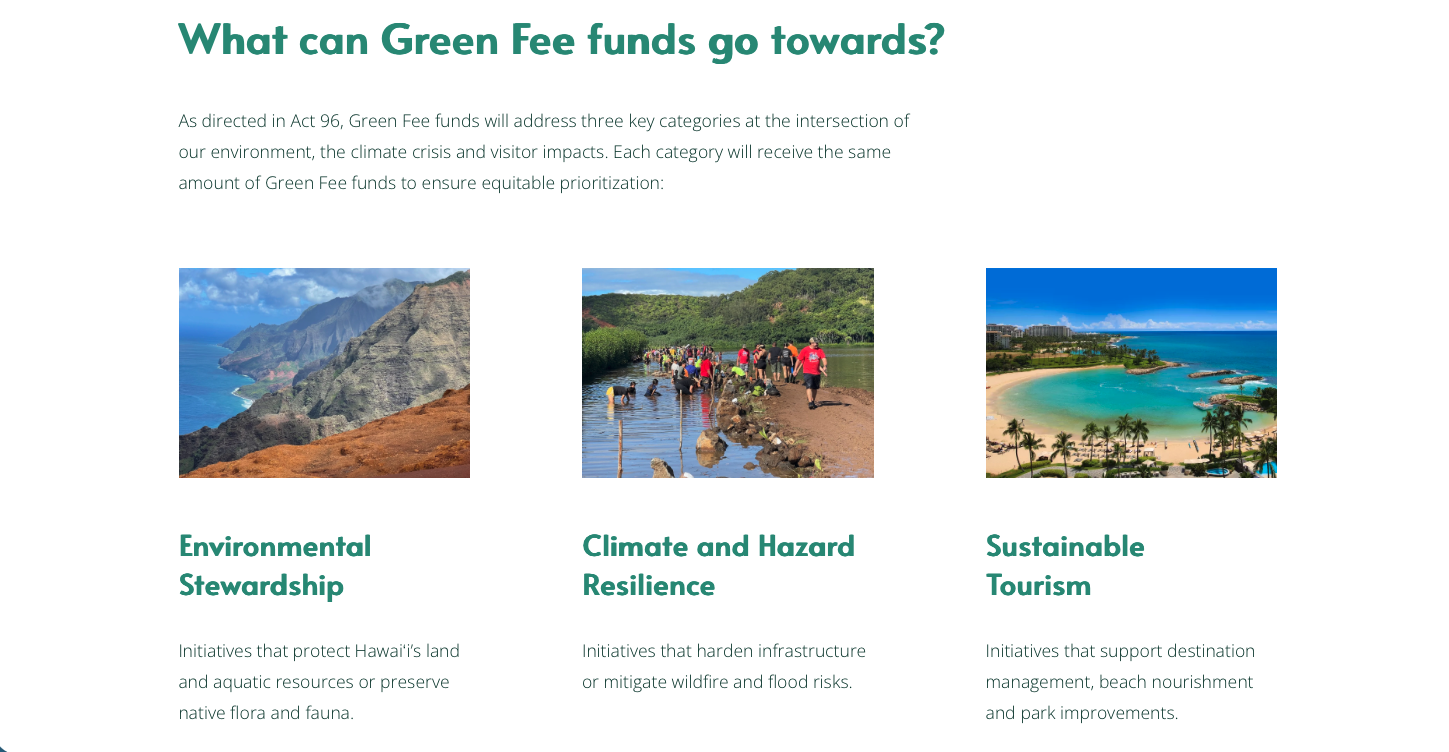
Some destinations have built this purpose into the fee from the outset. Greece’s Climate Resilience Tax explicitly funds sustainability projects. Hawaii’s Act 96, effective January 2026, adds a green fee on hotel rooms, which is expected to generate $100 million annually for wildfire recovery and coral reef restoration. The sustainability intent is clear before the payment is even collected.
However, while the receptiveness to contributing to sustainable destination development is strong, it also raises the stakes. Calling something a sustainability fee invites scrutiny. Travellers now assume that destinations will act responsibly, and fees framed around sustainability sharpen that assumption into a demand for evidence. Visitors, residents and businesses naturally ask what outcomes their money actually delivers.
Rising Fees, Rising Visibility
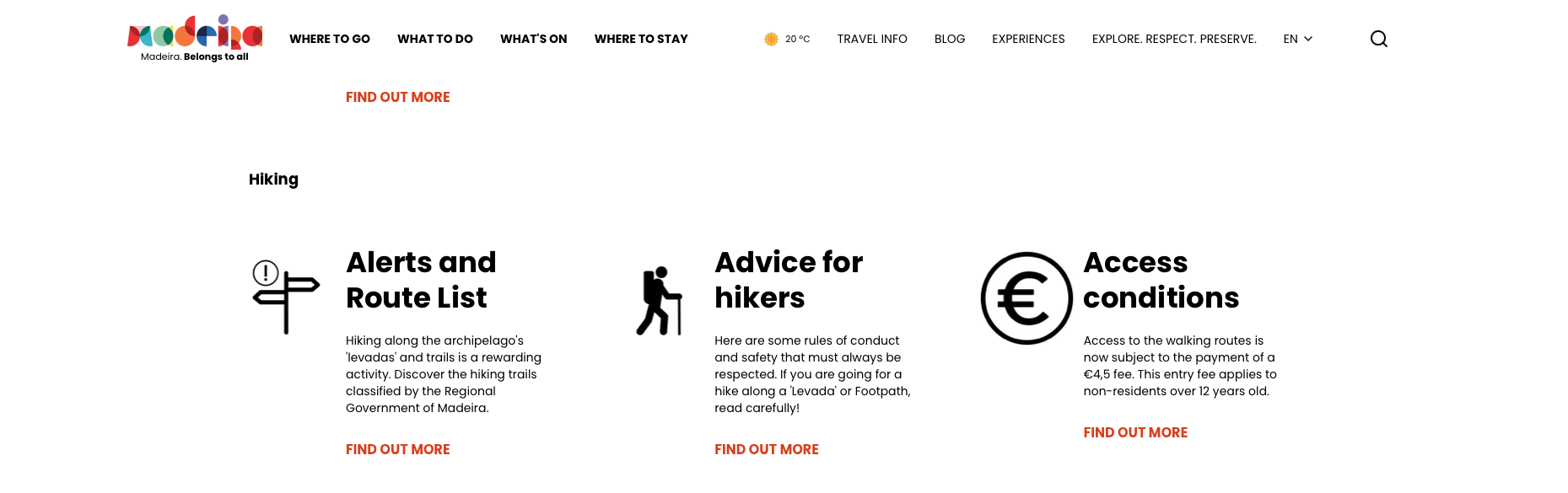
Sustainability-linked fees are not only becoming more common but also more substantial. New Zealand tripled its International Visitor Conservation and Tourism Levy in 2024, raising it from NZ$35 to NZ$100. The levy funds conservation and tourism infrastructure, and further increases seem likely as costs continue to rise. Madeira introduced trail access fees in 2025, charging hikers approximately €4.50 per walk on major routes, with daily visitor limits to prevent crowding.
How fees are collected is changing too. Travellers increasingly pay before they arrive or as they land, making the cost far more visible than taxes buried in accommodation bills. In the case of Venice, last-minute bookings also face higher taxes. Instead of charging day-trippers up to €5 to enter, this rises to a maximum of €10 for visits booked within four days of arrival.
This visibility cuts both ways. A prominent fee can reinforce the message that visitors are contributing to something meaningful. But, it also amplifies frustration if travellers receive no information about what their payment funds. The more visible the charge, the stronger the expectation of transparency.
As fees rise and become harder to overlook, destinations face a choice. DMOs can treat these charges as routine revenue collection, or they can use them as an opportunity to build trust.
The Scepticism Question
Scepticism about sustainability fees goes beyond resistance to paying more. Visitors are often more willing to contribute than destinations assume. Many accept higher charges when they can see the results in cleaner streets, better transport and improved local services. Without visible evidence of impact, however, even well-intentioned fees can feel hollow. Residents watching revenues accumulate without clear community benefit also grow frustrated, while businesses want confidence that their contributions serve a real purpose.
Charges that vanish into general budgets lose public support quickly. Tourists resent opaque fees, especially when they suspect funds serve purposes other than those promised.
Overcoming this doubt requires transparency, accountability and clear communication. DMOs must show where funds go, demonstrate what they achieve and explain it in ways that every stakeholder can understand. Some destinations have recognised this and responded with genuine openness. Their approaches offer benchmark models for others to follow.
Transparency in Practice
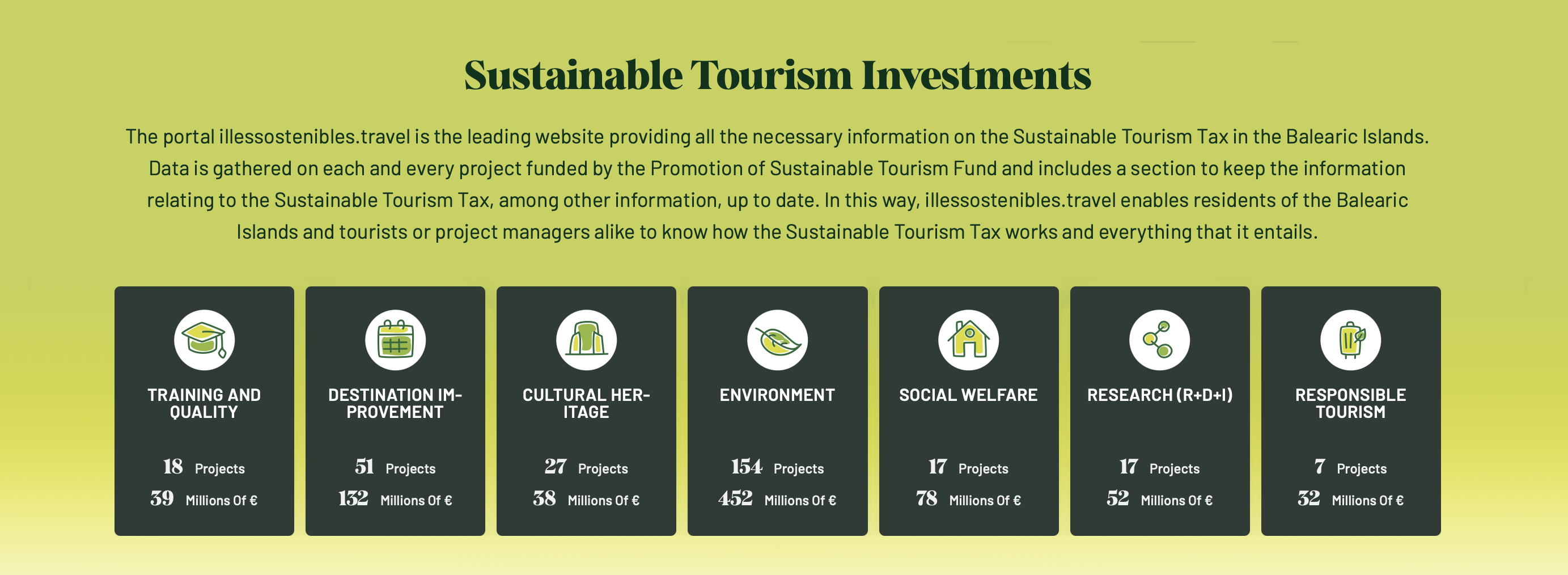
The Balearic Islands’ Illes Sostenibles portal lists more than 290 projects funded by the Sustainable Tourism Tax. The detail turns an abstract fee into something tangible. Travellers can connect their payment to specific outcomes. Digital tools like this create direct accountability, transforming a transaction into a transparent relationship. The investment has allowed the Balearics to position themselves around responsible tourism, demonstrating that well-managed fees can enhance a destination’s reputation. This shift towards reporting outcomes represents a significant opportunity for destinations ready to embrace it.
The principle also extends beyond environmental projects. Austin channels part of its hotel occupancy tax into the city's Live Music Fund, directly supporting the cultural identity that draws visitors. What unites both these examples is a visible and understandable connection between payment and benefit.
Sustainability Governance as a Foundation
Sustainability fees work best when strong governance is already in place. Introducing or increasing charges without clear frameworks for allocation, monitoring and reporting invites the lack of stakeholder clarity that destinations want to avoid.
Effective governance can take many shapes:
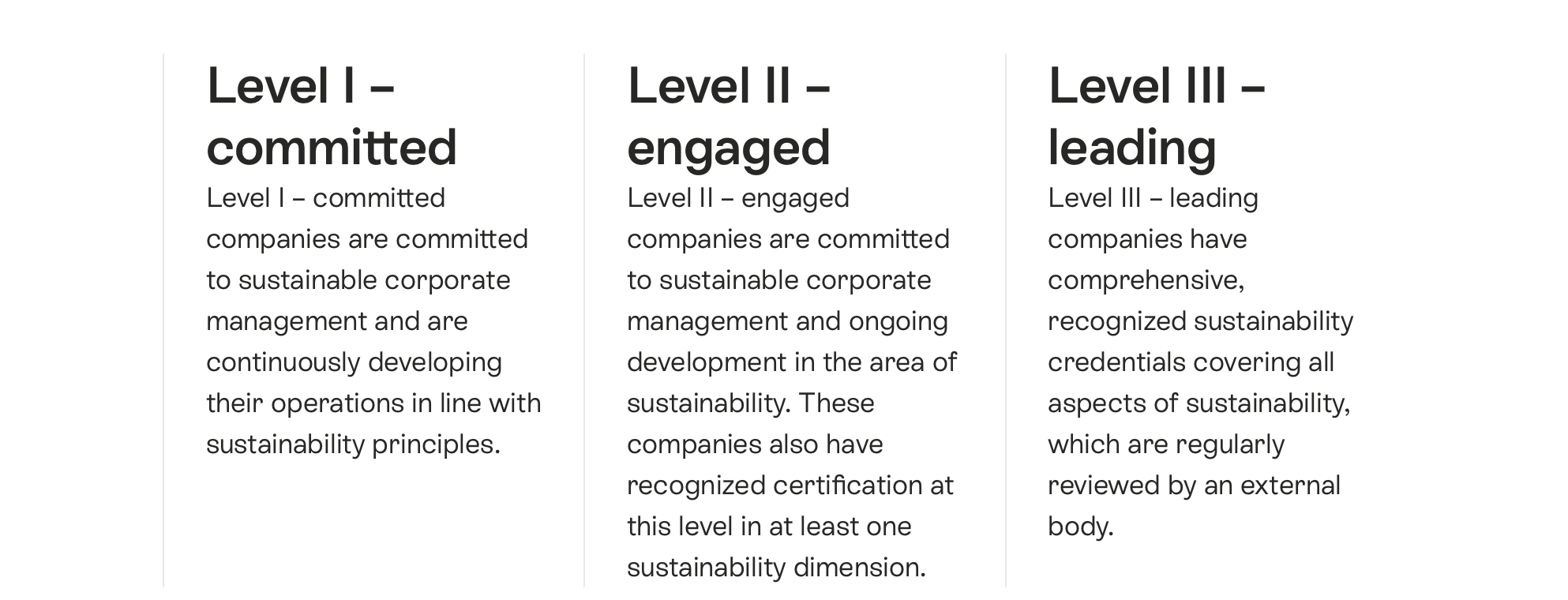
Switzerland Tourism’s Swisstainable programme uses a three-tier certification system. At the highest level, independent auditing is required, providing external validation of sustainability practices. This credibility builds mutual trust.
The Green Scheme of Slovenian Tourism, established by the Slovenian Tourist Board in 2015, assesses destinations and businesses against environmental, social and economic criteria through regular monitoring. More than 50 destinations and 160 accommodations hold the label, with ongoing evaluation ensuring credentials stay current.
The Azores became the first archipelago to receive EarthCheck Destination certification in 2019. Visit Azores responded by creating the Sustainability Charter of the Azores. The framework guides stakeholders across energy efficiency, waste management, biodiversity and community wellbeing, reinforcing the external certification with practical implementation.
These examples share the common principle that governance and verification should be in place before or alongside fee implementation. Destinations that start by establishing their sustainability credentials are better positioned to introduce fees that visitors and residents trust. Third-party certification also provides assurance that sustainability claims reflect audited performance.
It is very clear that tourism taxes work best as part of a wider destination management strategy. Taxes often gain acceptance once visitors see their payments supporting local qualify of life and environmental protection. On the other hand, hidden or punitive charges have the opposite effect. As destinations navigate climate pressures and overtourism, transparent and well-governed fees offer a path that benefits visitors and residents.
DTTT Take
As sustainability fees become more common and visible, transparency is essential. DMOs that treat accountability as an afterthought will struggle to maintain trust with visitors and residents alike.
Establish governance before introducing fees: Withfees introduced without clear accountability structures inviting scepticism, strong destination governance should be a prerequisite for introducing or increasing tourism taxes. External certification against recognised standards often helps to validate the process. This is why building credibility frameworks first positions destinations to implement charges that visitors and residents trust.
Build transparency into fee design from the outset: Clear, accessible reporting on fee allocation turns an abstract charge into something visitors feel proud to support. This transparency should be supported by digital tools that connect payments to real projects, demonstrating that sustainability claims are grounded in action.
Align communication with fee visibility: As fees shift to arrival-based levies, their visibility increases significantly. Destinations must develop communication strategies that justify these prominent costs with equally prominent evidence of impact.
Prioritise outcome reporting: Reporting on spending is a starting point. DMOs must develop frameworks that track and communicate measurable environmental and social improvements. Progress updates, completed projects and assessments of results build the lasting trust that spending reports alone cannot achieve.
Extend transparency to local communities: Sustainability communication should address local communities with the same rigour as visitor-facing messaging. Demonstrating how fees support community priorities builds the social acceptance that tourism depends on.